
Welcome to FoamPedia, the definitive knowledge hub for makers, builders, artists, engineers, cosplayers, and DIY innovators who want to understand foam from the inside out. If Foamtopia is where imagination takes shape, FoamPedia is where every detail, technique, and material is broken down, cataloged, and explained with clarity and creativity. Here, you’ll explore the science behind foam density and cell structure, discover the best adhesives and coatings for every project, compare foam types across performance and durability, and dive into expert-level guides that turn beginners into confident creators. FoamPedia transforms complex material science into accessible, exciting knowledge—fueling your creativity with facts, tips, and insights you can actually use. Whether you’re researching EVA for armor builds, learning how to reinforce XPS for structural pieces, uncovering paint systems that won’t crack, or mastering heat-forming techniques, this encyclopedia is your trusted companion. Every article is crafted to inspire smarter building, smoother crafting, and bolder design choices. In FoamPedia, knowledge isn’t just power—it’s the key to crafting stronger, lighter, and more brilliant creations than you ever imagined. Dive in and discover the foam universe.
A: FoamPedia is a structured reference guide for foam-based making—covering materials, tools, processes, and problem-solving.
A: Yes. Entries are tiered by skill level, and there are dedicated “Start Here” pages for complete newcomers.
A: Tutorials show one build. FoamPedia explains the underlying concepts so you can apply them to any project.
A: Absolutely. Many topics are written with theater, events, shops, and commission builders in mind.
A: Yes. Mixed-material entries discuss wood, plastic, 3D prints, fabrics, fillers, and hardware that pair well with foam.
A: Every relevant entry includes notes on dust, fumes, heat, ventilation, and safer product choices where possible.
A: Use category tags, the Troubleshooting Index, and “See Also” links at the bottom of entries for rapid navigation.
A: Yes. Concept pages, material limits, and structural tips are all geared toward original design work.
A: Many entries are written with classroom, camp, and workshop use in mind, including simple demos and discussion prompts.
A: Treat FoamPedia as a launchpad—use its terminology and structure to ask sharper questions, plan tests, and iterate on your builds.

Material Encyclopedia
Welcome to the Material Encyclopedia on Foam Streets—your all-access pass to the building blocks of creativity. This is where science meets design, where raw elements transform into sculpture, structure, and story. From lightweight synthetics to dense structural cores, from flexible sheets to rigid boards, every material has a personality—and here, we decode them all. Whether you’re carving, casting, laminating, shaping, sealing, or finishing, understanding materials is the difference between guesswork

Tool Encyclopedia
Welcome to the Tool Encyclopedia on Foam Streets—your master index of the instruments that build, carve, fasten, shape, measure, and transform ideas into reality. This is where workshop wisdom meets field-tested know-how. From precision hand tools to rugged power equipment, from layout and measuring essentials to specialty trade gear, our curated articles break down what each tool does, how it works, and when to use it. Whether you’re a weekend
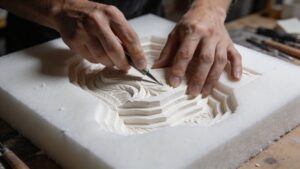
Technique Encyclopedia
Welcome to the Technique Encyclopedia—your ultimate knowledge vault on Foam Streets, where process meets precision and creativity meets control. This is where raw ideas transform into refined execution. Whether you’re carving, coating, shaping, layering, texturing, or finishing, every article in this collection breaks down the “how” behind professional-level results. The Technique Encyclopedia is built for makers who want more than inspiration—they want mastery. From foundational workflows to advanced detailing strategies,
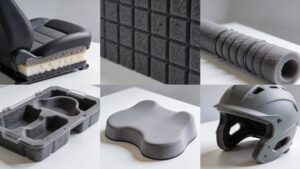
Industry & Application Encyclopedia
Welcome to the Industry & Application Encyclopedia—your map of where foam really goes when it leaves the shop floor and enters the world. Here on Foam Streets, we decode the behind-the-scenes roles foam plays in the products you touch, the buildings you enter, the cars you ride in, and the gear that protects you. From cushioning and comfort to impact absorption, insulation, sealing, filtration, flotation, acoustics, and packaging, foam is
