


The Future of Foam Sculpture Sustainability: Bio-Composites, Circular Systems, and Smart Design
The Future of Foam Sculpture Sustainability: Bio-Composites, Circular Systems, and Smart Design gives buyers and builders a way to compare comfort, safety, durability, cost, and cleanup before committing. For foam sculptors, scenic shops, prop makers, exh

Marketing Your Eco-Conscious Foam Studio: SEO, Badges, and Case Studies
Marketing Your Eco-Conscious Foam Studio: SEO, Badges, and Case Studies matters because small details in foam type, setup, finish, and care can change the result after the first use. For foam sculptors, scenic shops, prop makers, exhibit builders, and sus

Grants, Tax Credits, and Rebates for Sustainable Scenic Shops
Grants, Tax Credits, and Rebates for Sustainable Scenic Shops describes a practical choice about foam materials, performance, handling, and long-term expectations. For foam sculptors, scenic shops, prop makers, exhibit builders, and sustainability-minded
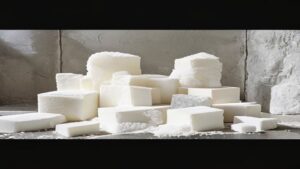
Handling Legacy Foams: What to Do with Old Coatings, Unknown Plastics, and Risks
Handling Legacy Foams: What to Do with Old Coatings, Unknown Plastics, and Risks is easiest to understand when it is treated as a real-world decision instead of a label on a product page. For foam sculptors, scenic shops, prop makers, exhibit builders, an

Writing a Green Spec Sheet for Clients: Materials, VOCs, and End-of-Life
Writing a Green Spec Sheet for Clients: Materials, VOCs, and End-of-Life is the point where foam selection meets daily use, maintenance, and the limits of the project environment. For foam sculptors, scenic shops, prop makers, exhibit builders, and sustai

Closed-Loop Collab: Pairing with Packaging Recyclers to Take Your Offcuts
Closed-Loop Collab: Pairing with Packaging Recyclers to Take Your Offcuts gives buyers and builders a way to compare comfort, safety, durability, cost, and cleanup before committing. For foam sculptors, scenic shops, prop makers, exhibit builders, and sus

Composting the Non-Foam Parts: Fabrics, Papers, and Bio-Fillers from Your Shop
Composting the Non-Foam Parts: Fabrics, Papers, and Bio-Fillers from Your Shop matters because small details in foam type, setup, finish, and care can change the result after the first use. For foam sculptors, scenic shops, prop makers, exhibit builders,

Circular Festival Builds: Foam Pieces that Pack, Rebuild, and Reuse
Circular Festival Builds: Foam Pieces that Pack, Rebuild, and Reuse describes a practical choice about foam materials, performance, handling, and long-term expectations. For foam sculptors, scenic shops, prop makers, exhibit builders, and sustainability-m
Safer Color Washes and Aging on Foam: Water-Tint Systems that Don’t Reek
Safer Color Washes and Aging on Foam: Water-Tint Systems that Don’t Reek is easiest to understand when it is treated as a real-world decision instead of a label on a product page. For foam sculptors, scenic shops, prop makers, exhibit builders, and sustai

How to Host a Community “Scrap Swap” for Prop Makers and Sculptors
How to Host a Community “Scrap Swap” for Prop Makers and Sculptors is the point where foam selection meets daily use, maintenance, and the limits of the project environment. For foam sculptors, scenic shops, prop makers, exhibit builders, and sustainabili

The Business Case for Sustainable Foam: Win Bids, Cut Costs, Keep Clients
The Business Case for Sustainable Foam: Win Bids, Cut Costs, Keep Clients gives buyers and builders a way to compare comfort, safety, durability, cost, and cleanup before committing. For foam sculptors, scenic shops, prop makers, exhibit builders, and sus
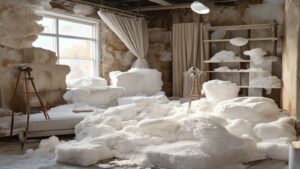
Reclaiming Old Show Sets: What to Salvage, What to Grind, What to Donate
Reclaiming Old Show Sets: What to Salvage, What to Grind, What to Donate matters because small details in foam type, setup, finish, and care can change the result after the first use. For foam sculptors, scenic shops, prop makers, exhibit builders, and su