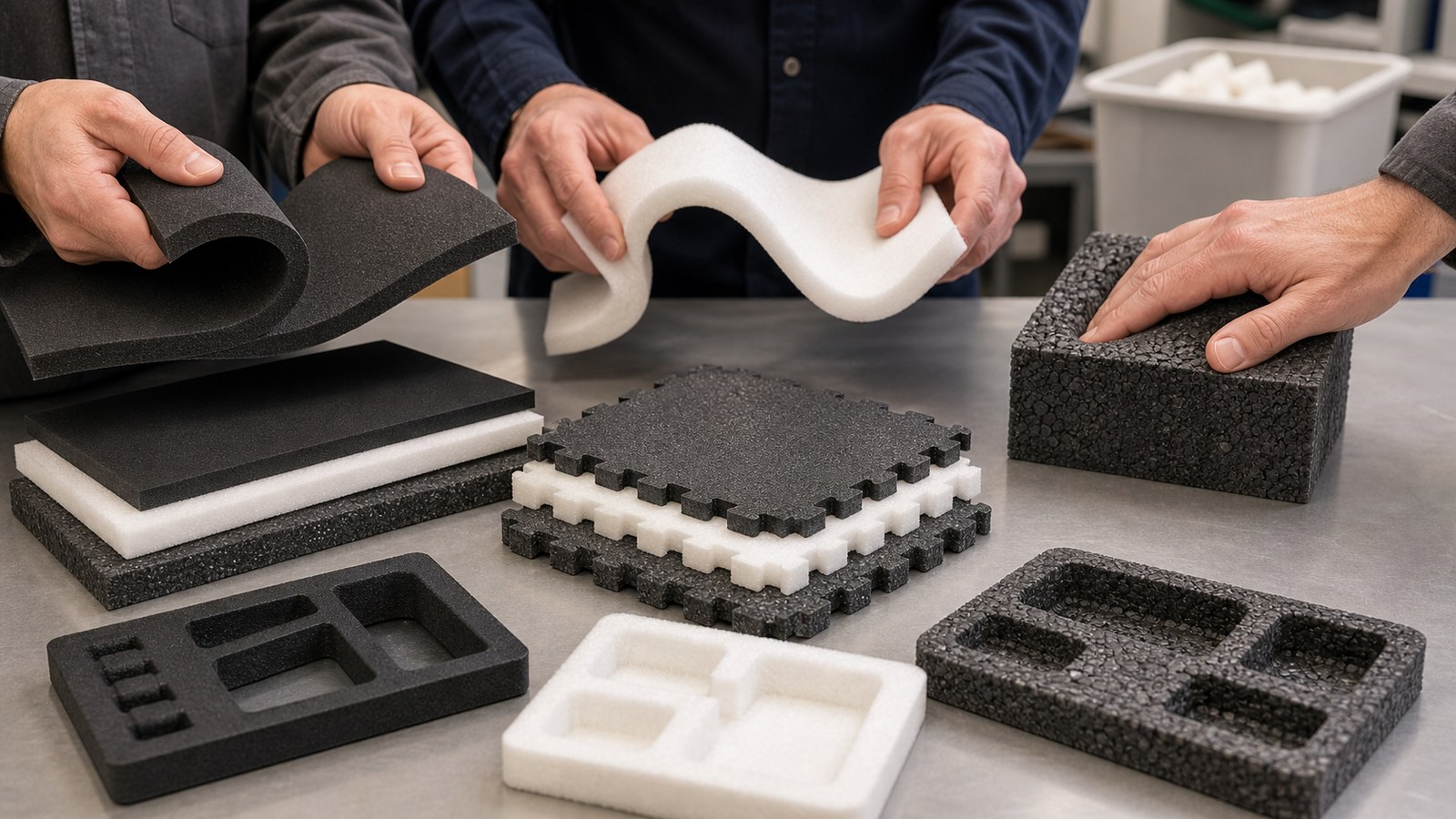
Foam finishes live in a delicate balance between durability and vulnerability. Whether you’re working with sculpted foam props, architectural accents, protective padding, or decorative panels, the finish layer is often what makes the piece look complete—and what makes it most susceptible to damage during cleaning or refinishing. Traditional strippers and aggressive solvents promise speed and power, but they frequently deliver collateral damage: softened foam, pitting, swelling, or outright collapse. As makers, fabricators, and restorers look for safer alternatives, citrus-based cleaners, mild soaps, and water-forward solutions are often presented as the answer. The truth is more nuanced. Some “gentle” products are genuinely foam-friendly; others only seem mild until time, friction, or concentration reveal their hidden costs. Understanding what actually works—and why—can save projects, budgets, and a lot of frustration.
A: No—use sparingly and test first; prolonged exposure can cause damage.
A: Mild soap and water with minimal moisture.
A: Sometimes, but controlled mechanical methods are often safer than chemicals.
A: As briefly as possible—wipe away promptly.
A: Yes, leftover cleaner can cause adhesion failures.
A: Gentle wiping is safer than either heavy scrubbing or soaking.
A: Excess water can swell or delaminate finishes.
A: Always, to neutralize solvent action.
A: Only after full drying and surface inspection.
A: Overexposure, impatience, and skipping tests.
Understanding Foam Finishes Before You Clean
Before discussing cleaners, it’s essential to understand what you’re cleaning. Foam finishes vary widely, and each combination of foam core and surface coating responds differently to chemicals. Polyurethane foams, EPS, XPS, EVA, and specialty craft foams all have distinct cellular structures. On top of those foams sit finishes such as acrylic paints, latex coatings, urethane sealers, Plasti Dip-style elastomers, or epoxy skins. A cleaner that is harmless to an acrylic paint may quietly attack an elastomer, and a solvent-safe epoxy skin might still transmit damage to the foam beneath through capillary action.
This layered structure explains why some cleaners seem safe in a short test but fail over time. The cleaner may not immediately melt the foam, yet it can soften the adhesive bond between layers, weaken the finish’s flexibility, or leave residues that interfere with recoating. Effective foam-safe cleaning is therefore less about finding a single “magic” product and more about respecting the chemistry at play.
The Rise of Citrus-Based Cleaners
Citrus cleaners have gained popularity because they sound friendly, smell pleasant, and are often marketed as eco-conscious alternatives to harsh solvents. Their effectiveness usually comes from d-limonene, a naturally occurring solvent extracted from citrus peels. D-limonene is excellent at breaking down oils, adhesives, and certain coatings, which is why citrus cleaners can remove residue that soaps leave behind.
On foam finishes, citrus cleaners can be a double-edged sword. At low concentrations and with limited dwell time, they can loosen grime, adhesive transfer, and surface contamination without immediate foam damage. This makes them useful for spot cleaning or removing sticky residues from sealed foam surfaces. However, d-limonene is still a solvent. Prolonged exposure, repeated applications, or mechanical agitation can cause swelling in some foams and softening in elastomeric finishes. The pleasant scent can mask the fact that the cleaner is actively dissolving material at a molecular level.
When Citrus Cleaners Work Best
Citrus-based products are most successful when used as controlled tools rather than all-purpose solutions. On well-sealed foam finishes—especially those coated with acrylic or waterborne urethanes—light citrus cleaners can help remove surface oils or tape residue prior to refinishing. The key is dilution and timing. Diluted solutions, applied briefly and wiped away promptly, minimize penetration into the finish layer.
They are also useful in controlled stripping scenarios where the goal is to soften a removable topcoat without disturbing the foam structure beneath. In these cases, the citrus cleaner should be tested in a discreet area and monitored carefully. The moment the finish begins to release, the cleaner should be neutralized and removed. This approach trades speed for safety, but it often preserves the underlying foam.
The Limitations and Risks of Citrus Strippers
Despite their reputation, citrus strippers are not universally safe. Thicker gel-style citrus strippers designed for wood or metal can dwell too long on foam surfaces, especially vertical or textured areas. As the solvent works, it may migrate through micro-cracks in the finish and reach the foam core, where damage becomes irreversible. Additionally, residues left behind by citrus products can interfere with adhesion when recoating, leading to fisheyes, peeling, or uneven sheen.
Another overlooked factor is temperature. Warm environments accelerate solvent activity. A citrus cleaner that seems safe in a cool shop can become aggressive in a hot garage or outdoor workspace. This unpredictability is one of the main reasons professionals treat citrus cleaners as situational tools rather than default solutions.
Mild Soaps and Detergents: The Quiet Workhorses
Mild soaps and detergents are often dismissed as too weak for serious cleaning, yet they are among the safest options for foam finishes. Their cleaning power comes from surfactants rather than solvents, meaning they lift dirt and oils away from the surface instead of dissolving the material itself. For routine maintenance, pre-paint cleaning, and light restoration, this approach is often ideal.
Dish soaps, pH-neutral cleaners, and specialty foam-safe detergents can remove surface grime, fingerprints, and environmental buildup without compromising the finish’s integrity. When paired with soft cloths or sponges and minimal water, they reduce the risk of saturation—a critical concern for open-cell foams or edges where the finish layer is thin.
Why Soap-Based Cleaning Is Often Underrated
Soap cleaning works best when patience replaces force. Instead of scrubbing aggressively, allowing the soapy solution to dwell briefly lets surfactants do their job. Gentle agitation then lifts contaminants without abrading the finish. This method preserves surface texture, maintains flexibility, and avoids the hidden chemical interactions that solvents can cause.
Another advantage of soap-based cleaning is predictability. Unlike citrus solvents, mild soaps behave consistently across temperatures and materials. They also rinse cleanly, leaving minimal residue that could interfere with repainting or sealing. For projects that will be recoated, this clean surface chemistry is a significant benefit.
Water: Friend, Foe, or Both?
Water is the carrier for most foam-safe cleaning methods, but it introduces its own risks. Excess moisture can penetrate seams, edges, and micro-cracks, leading to swelling, delamination, or long-term odor issues. Closed-cell foams tolerate water better than open-cell varieties, yet even they can trap moisture beneath impermeable finishes.
The safest approach is controlled moisture. Damp cloths rather than soaking, quick wipe-downs instead of rinsing floods, and immediate drying all reduce risk. When water-based cleaners are used thoughtfully, they offer one of the lowest-risk ways to clean foam finishes effectively.
Reality Checks: Marketing vs. Material Science
One of the most important aspects of choosing safer cleaners is separating marketing language from material reality. Labels like “natural,” “non-toxic,” or “eco-friendly” do not automatically mean foam-safe. Many natural solvents are just as aggressive as synthetic ones, and toxicity to humans does not correlate directly with compatibility with polymers.
Reading safety data sheets and understanding active ingredients matters more than brand promises. A cleaner marketed for kitchens may contain solvents designed to cut grease that also attack foam binders. Conversely, some industrial cleaners designed for plastics are far safer for foam finishes despite lacking consumer-friendly branding.
Testing: The Non-Negotiable Step
No article on foam-safe cleaning is complete without emphasizing testing. Even within the same product line, different batches of foam or finish formulations can react differently. A small, hidden test area can reveal swelling, softening, discoloration, or residue issues before they become catastrophic.
Testing should account for time as well as immediate reaction. Applying a cleaner, wiping it away, and then checking the area an hour later and again the next day provides insight into delayed effects. This patience often separates successful restoration from costly repair.
Stripping vs. Cleaning: Knowing the Difference
It’s important to distinguish between cleaning and stripping. Cleaning aims to remove contaminants while preserving the finish. Stripping seeks to remove the finish itself. Many problems arise when a cleaner is pushed into stripper territory through repeated application, extended dwell time, or aggressive mechanical action.
If a finish truly needs to be removed, controlled mechanical methods paired with mild chemical assistance are often safer than relying on chemical strength alone. Light sanding, scraping with flexible tools, and careful heat application can reduce the need for aggressive solvents. When chemicals are used, slower, gentler products applied incrementally provide more control over the outcome.
Preparing Foam Finishes for Recoating
After cleaning or partial stripping, surface preparation determines whether the next finish will succeed. Residues from citrus cleaners or detergents can compromise adhesion if not removed properly. A final wipe with a damp, clean cloth followed by thorough drying helps ensure a neutral surface. In some cases, a light abrasion can restore tooth without exposing foam.
Compatibility between old and new finishes also matters. A foam-safe cleaner may preserve the existing coating, but if the new coating is chemically incompatible with what remains, failures can still occur. Understanding the entire system—foam, old finish, cleaner, and new finish—leads to more reliable results.
Environmental and Health Considerations
Safer for foam does not always mean safer for people, and vice versa. Citrus solvents can cause skin irritation with prolonged contact, and soaps can still contain additives that require gloves or ventilation. The advantage of milder cleaners is not only reduced material damage but also lower risk during handling. Adequate ventilation, protective gloves, and proper disposal remain best practices regardless of product choice.
Practical Recommendations for Foam-Safe Cleaning
For most foam finishes, start with the mildest option that can reasonably do the job. A pH-neutral soap and water solution should be the first step for general cleaning. If residues persist, a diluted citrus cleaner used briefly and sparingly may help. Aggressive strippers should be reserved for situations where finish removal is unavoidable and should be applied with extreme caution and testing.
This graduated approach minimizes risk and maximizes control. It also aligns with professional restoration practices, where preserving original material is often more valuable than saving time.
The Long-Term View: Preserving Foam Finishes
Foam finishes are investments of time, skill, and creativity. Treating them with respect during cleaning and stripping extends their life and maintains their appearance. Gentle methods may require more patience, but they reduce the likelihood of irreversible damage and rework.
Ultimately, safer strippers and cleaners are not about finding a single perfect product. They are about understanding materials, applying chemistry thoughtfully, and recognizing when restraint is the most powerful tool. Citrus cleaners, soaps, and water all have their place—but only when used with a clear-eyed understanding of their strengths and limitations.
Conclusion: Smart Choices Over Shortcuts
The appeal of fast, powerful cleaning solutions is understandable, especially when faced with stubborn residue or aging finishes. Yet foam materials reward caution and punish shortcuts. By favoring mild soaps for routine cleaning, using citrus cleaners selectively and intelligently, and grounding decisions in testing rather than marketing claims, makers and professionals can achieve clean, ready-to-finish surfaces without sacrificing structural integrity. In the end, the safest approach to foam finishes is a mindset rather than a product. Patience, knowledge, and respect for material behavior turn cleaning and stripping from a gamble into a controlled, repeatable process—one that keeps foam looking sharp and performing as intended for years to come.