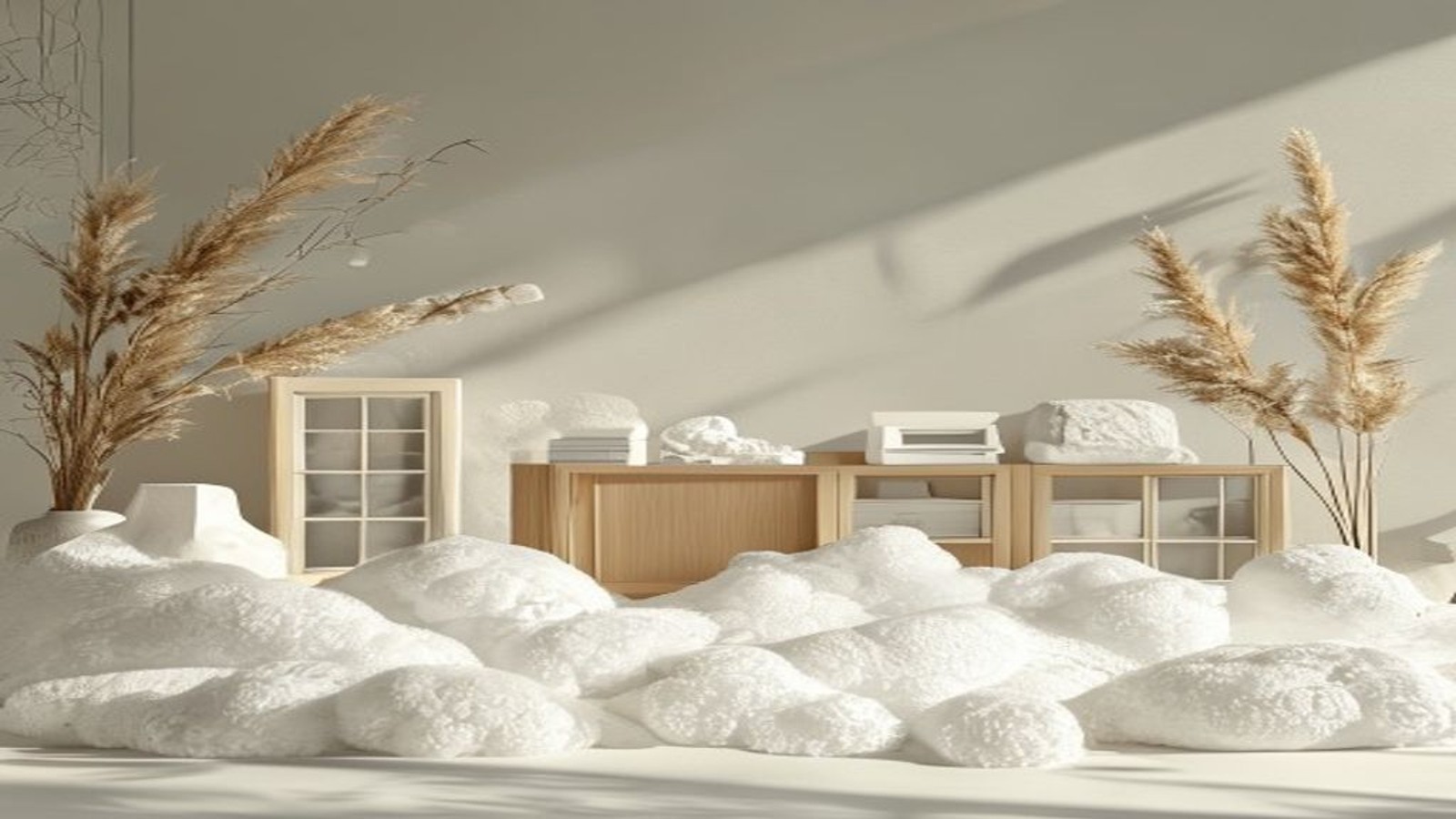
Foam is one of the most versatile materials of the modern age. It cushions, insulates, shapes worlds on stage, supports learning in classrooms, and fuels creativity in makerspaces. Yet when productions close, semesters end, or prototypes evolve, vast amounts of perfectly usable foam are often discarded. Community take-back programs offer a smarter, more human-centered alternative: instead of sending foam to landfills, these initiatives build partnerships that rehome materials where they are needed most. By connecting theaters, schools, and makers, communities can transform surplus foam into shared value, creative opportunity, and measurable sustainability impact.
A: Yes, when inspected, cleaned, and accompanied by handling guidelines.
A: Scenic EPS, XPS, EVA, and PU in good condition.
A: Any theater, nonprofit, school, or community group can lead.
A: Seasonally or aligned with production and academic calendars.
A: Yes, loose debris and hazardous coatings should be removed.
A: Absolutely, if structural integrity remains sound.
A: Track inventory and re-offer to new partners.
A: Lightweight racking and modular stacking work well.
A: Yes, it improves accountability and impact reporting.
A: Share success stories and visual outcomes.
Why Foam Deserves a Second Life
Foam’s durability is both its greatest strength and its greatest environmental challenge. Many foams are engineered to last for years without degrading, which makes them ideal for sets, props, padding, and sculptural forms, but problematic when disposed of prematurely. Community take-backs recognize that what one organization sees as waste is often a resource for another. A theater striking a show may have carved foam scenery with years of usable life remaining, while a school art program may be searching for affordable materials to expand hands-on learning. Rehoming foam extends its lifespan and reduces the demand for virgin materials, lowering both costs and environmental footprint.
The Concept of Community Take-Backs
A community take-back is more than a collection drive. It is a coordinated partnership framework designed to move materials from surplus to need with intention. Successful programs establish clear channels for identifying available foam, matching it with recipients, and ensuring safe, responsible reuse. Unlike one-off donations, take-backs are recurring, predictable, and embedded in the rhythms of participating organizations. This consistency builds trust and allows partners to plan projects around reliable material flows rather than last-minute opportunities.
Theaters as Foam Sources and Storytellers
Theaters are among the most prolific users of foam, especially in set design, props, masks, and scenic elements. Productions often require large volumes of carved or molded foam to create immersive environments, yet these elements may be used for only a few weeks. When a show closes, storage constraints and upcoming productions make disposal the default option. By participating in take-back programs, theaters can redirect these materials to schools and makers while reinforcing their role as cultural leaders invested in community wellbeing.
The storytelling power of theater extends beyond the stage. When theaters share the journey of their foam materials, from set piece to classroom sculpture or maker prototype, they create narratives audiences can connect with. This transparency strengthens public support and aligns artistic expression with environmental responsibility.
Schools as Creative Beneficiaries
Schools, from elementary classrooms to universities, are natural partners in foam rehoming efforts. Art, design, engineering, and theater programs all rely on tactile materials to bring ideas to life. Budget limitations often restrict access to high-quality foam, limiting the scale or ambition of student projects. Community take-backs level the playing field by providing access to materials that would otherwise be cost-prohibitive.
Beyond cost savings, rehomed foam becomes a teaching tool in itself. Educators can integrate lessons on sustainability, material science, and creative reuse directly into curricula. Students learn that innovation does not always start with something new, but with seeing potential in what already exists.
Makerspaces as Innovation Hubs
Makerspaces thrive on experimentation, iteration, and cross-disciplinary collaboration. Foam is a favorite medium for prototyping due to its lightweight nature and ease of shaping. Community take-backs supply makerspaces with a steady stream of foam suitable for everything from product mockups to wearable art and architectural models.
Makers also play a crucial role in the ecosystem by developing new reuse techniques. Through workshops and demonstrations, they can teach others how to safely cut, shape, and join foam, multiplying the impact of each donated piece. In this way, makerspaces become both recipients and amplifiers of community take-back programs.
Designing a Successful Take-Back Program
Effective take-back programs begin with clear goals and simple logistics. Organizers identify the types of foam most commonly available, establish quality standards, and define acceptable conditions for reuse. Communication is essential, with participating organizations informed well in advance about collection schedules and preparation guidelines. Clean, sorted, and labeled foam is far easier to redistribute and encourages continued participation.
Centralized drop-off events or rotating collection points help streamline operations. Some communities host seasonal take-back days aligned with theater strike schedules or academic calendars. Others maintain ongoing drop-off partnerships, allowing for continuous material flow. Flexibility is key, as each community has unique rhythms and needs.
Safety, Handling, and Responsibility
Rehoming foam responsibly requires attention to safety and transparency. Not all foam is suitable for every application, and clear communication about material properties is essential. Participants should understand the origin of the foam, any treatments it may have undergone, and appropriate use cases. Basic handling guidelines help ensure that recipients can work with materials confidently and safely.
Programs that invest time in education and documentation build credibility and trust. When partners know that safety and quality are prioritized, they are more likely to commit long-term and advocate for the program within their networks.
Economic and Environmental Impact
The economic benefits of community take-backs are immediate and tangible. Theaters reduce disposal costs, schools stretch limited budgets, and makerspaces gain access to materials that would otherwise strain resources. These savings can be redirected toward programming, education, and community outreach.
Environmentally, the impact compounds over time. Each piece of foam rehomed represents avoided landfill space and reduced demand for new production. When multiplied across multiple organizations and years, the reduction in waste and emissions becomes significant. Community take-backs demonstrate that sustainability does not have to be abstract or inaccessible; it can be practical, local, and collaborative.
Building Relationships Through Shared Materials
At their core, take-back programs are about relationships. When organizations share materials, they also share trust, creativity, and purpose. A theater donating foam to a school may later collaborate on a student matinee or workshop. A makerspace receiving foam may invite theater designers to teach carving techniques. These interactions strengthen the cultural fabric of the community and create opportunities that extend far beyond material exchange.
Such partnerships also humanize sustainability efforts. Instead of faceless waste streams, participants see real people benefiting from their actions. This emotional connection reinforces commitment and inspires others to get involved.
Scaling and Sustaining the Model
As take-back programs mature, many communities explore ways to scale their impact. Regional networks can connect multiple theaters, school districts, and makerspaces, increasing material flow and resilience. Digital platforms may be used to match available foam with specific needs, reducing friction and improving efficiency.
Long-term sustainability depends on clear leadership and shared ownership. Programs thrive when responsibility is distributed and success is celebrated collectively. Regular check-ins, feedback loops, and public recognition help maintain momentum and adapt to changing circumstances.
A Vision for Circular Creativity
Community take-backs reframe foam not as disposable excess, but as a shared resource that fuels creativity and learning. By partnering theaters, schools, and makers, these programs create circular systems rooted in collaboration rather than consumption. The result is a model of sustainability that feels less like sacrifice and more like opportunity.
As communities continue to seek practical ways to reduce waste while strengthening cultural and educational institutions, foam rehoming offers a compelling blueprint. It proves that environmental responsibility and creative expression are not competing priorities, but complementary forces capable of shaping more resilient, connected, and imaginative places to live.
Looking Ahead
The future of community take-backs lies in normalization. When rehoming materials becomes standard practice rather than an exception, the impact multiplies quietly but powerfully. Foam will continue to cushion, shape, and inspire, not for a single moment, but across many lives and stories. Through intentional partnerships and shared commitment, communities can ensure that creativity leaves a legacy of possibility rather than waste.