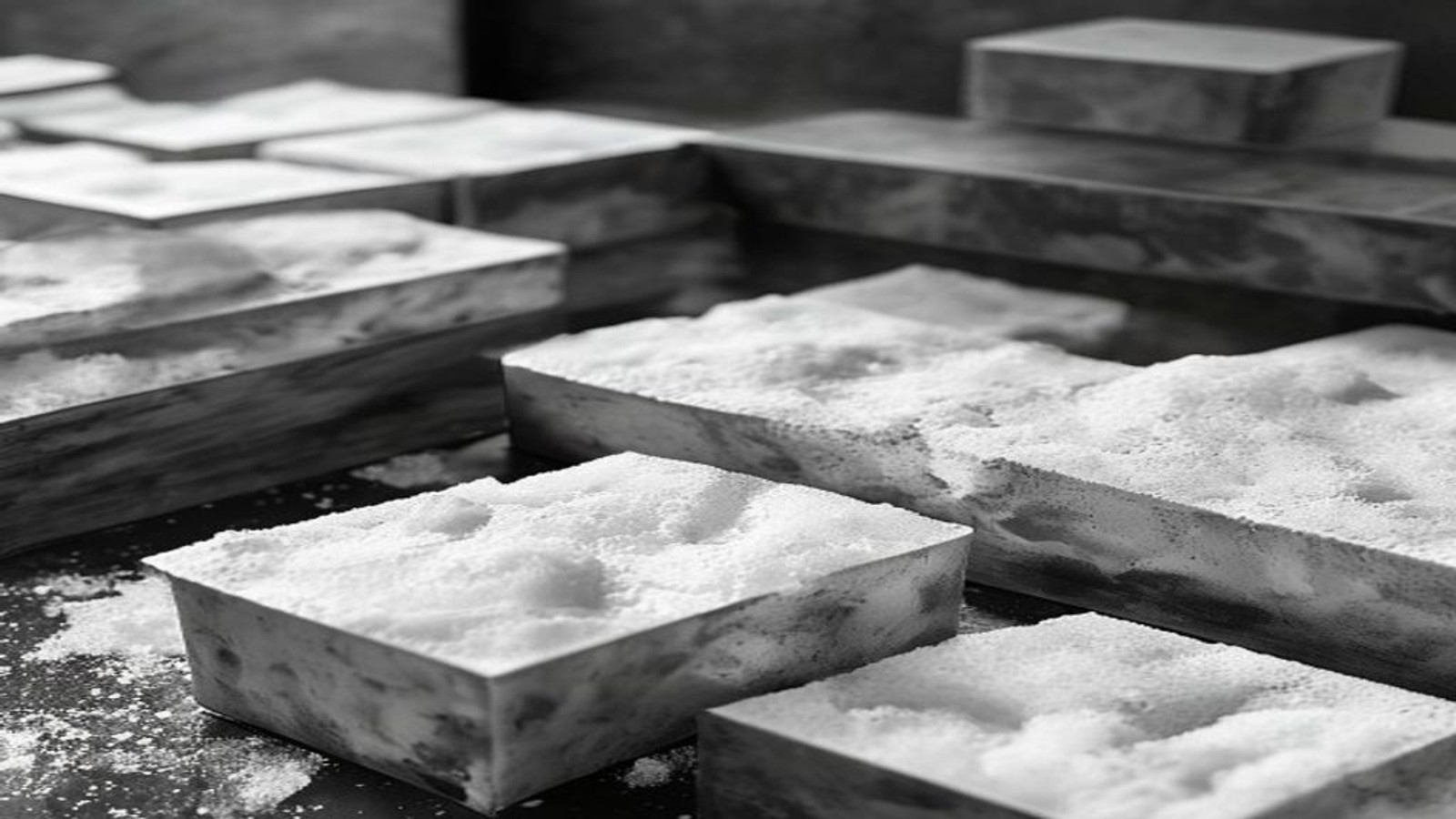
Foam is the shapeshifter of the art, scenic, cosplay, and prop worlds—light enough to lift with one hand, strong enough to carve into architectural detail, and versatile enough to masquerade as stone, steel, leather, or linen from ten feet away. Yet finishing foam has always had a catch. Traditional solvent-heavy coatings can attack the very substrate you’re trying to protect, and even when they don’t melt it, they can fill your studio with harsh odors and headache-inducing VOCs. The good news is you don’t need to choose between crisp edges and clean air. Modern low-VOC primers, paints, and sealers let you dial in durability, color depth, and sheen while staying foam-safe and studio-friendly. This guide walks you through the full finishing stack—what to use, how to layer it, and why each choice matters—so your pieces look brilliant on day one and still look great after the tour, the con, or the run.
A: Either avoid solvent aerosols or first apply a water-borne barrier (PVA/gesso/elastomeric), then prime and paint.
A: For porous foam, yes: a thin sealer locks dust and porosity; a primer improves adhesion and coverage.
A: Often yes, but test on a scrap. Use dewaxed shellac and light coats; ensure full dry before water-borne topcoats.
A: Flats/mattes read best under light; protect with a matte or low-sheen clear for cleanability.
A: Flexible primers and elastomeric clears; avoid hard alkyd or brittle varnishes on bend zones.
A: Yes—thin per spec or use an extender; practice on draw-down cards to dial in flow and orange-peel.
A: Work fast with microfiber rollers/quality synthetics, add a touch of extender, and maintain wet edges.
A: Avoid solvent reducers around polystyrene; stick to water-borne systems for compatibility.
A: Modern water-borne clears are largely non-yellowing; choose “non-yellowing” on the label for whites/marbles.
A: Use UV-resistant water-borne clear, seal edges, and allow full cure; inspect each season for touch-ups.
What “Low-VOC” Actually Means (And Why It Matters on Foam)
Volatile Organic Compounds are solvents that evaporate during application and curing; they’re a driver of odor, smog formation, and that “paint-shop haze” you can taste at the back of your throat. Coatings labeled low-VOC generally land under about 50 g/L for flats and under roughly 100 g/L for non-flat products, though limits vary by category and region. Labels can be confusing because “zero-VOC” bases can jump significantly when colorants are added, and some products measure VOC after water evaporates rather than at point-of-use. For foam artists the health angle is obvious, but there’s another reason to care: the solvents associated with higher VOC often double as foam killers. Polystyrene foams (EPS and XPS) are notoriously sensitive to acetone, toluene, and xylene. Choosing low-VOC waterborne systems isn’t just kinder to your lungs; it’s a practical way to avoid accidental surface pitting and edge melt. Always read the Safety Data Sheet and look for language like “water-reducible,” “acrylic latex,” and “foam-safe.” If a product relies on hot, aromatic, or ketone solvents, steer clear unless you’re building over an impermeable barrier coat.
Know Your Foam: EPS, XPS, EVA, EPP, and PU
Finishing strategy starts with substrate. EPS bead foam and XPS extruded foam are both polystyrenes; they’re light, carve beautifully, and demand solvent caution. EVA foam—the cosplay favorite—is closed-cell, flexible, and heat-responsive, so it likes flexible primers and topcoats that can bend without whitening or cracking. Expanded polypropylene (EPP) is springy and tougher than polystyrene; it accepts waterborne acrylics well but benefits from a toothy primer. Open-cell polyurethane foams are spongy and absorbent; they often need a sealing pass to prevent paint sink. Rigid polyurethane foams carve like a dream and handle a broader range of coatings, yet waterborne systems are still the safer default. When you match coating chemistry to foam behavior—rigid vs. flexible, open vs. closed cell—you minimize weight, maximize adhesion, and preserve the feel you engineered into the piece.
Primer Fundamentals: Build a Friendly Surface for Color
Primers do three jobs on foam: they seal pores to prevent paint loss, create mechanical tooth for subsequent layers, and, in many cases, form a solvent-resistant barrier that lets you experiment with specialty finishes later. Low-VOC winners here are waterborne acrylic and PVA primers designed for porous surfaces. A high-quality acrylic primer/sealer grips bare EPS or XPS without biting and levels to a smooth base in two to three thin coats. On EVA, a flexible acrylic primer or theatrical coating that dries to a rubbery film is preferable, because rigid primers can micro-crack along flex lines. For artists who want bulletproof abrasion resistance on impact points, waterborne epoxy hybrid barrier coats exist; they tend to be low odor compared to 2K industrial epoxies and, when applied in thin films, won’t obscure detail. Traditional shellac primers are loved for stain blocking, but alcohol carriers and some aerosol propellants can be unkind to polystyrene; if you use shellac, brush-apply and test a swatch first. Gesso—particularly acrylic gesso—remains a secret weapon for sculptors: it’s low-VOC, sands beautifully, and adds a subtle tooth that makes hand-painting a joy. If your foam surface shows knife lines or bead texture, skimfill with a lightweight, foam-safe spackle or acrylic modeling paste between primer coats, then wet-sand with 320–400 grit to an eggshell feel.
Paint Choices: Color Without Corrosion
For color layers, low-VOC means waterborne acrylics in all their forms. Artist acrylics offer dense pigment for small and mid-scale work; they blend and glaze exquisitely and come in matte to high gloss. For large scenic areas, acrylic latex wall paint provides coverage, durability, and consistent sheens with VOC levels that meet strict architectural standards. Airbrush-ready acrylics excel at gradients on EVA and carved polystyrene; they lay down thin, lock into a primed surface, and dry quickly with minimal odor. If you love the speed of spray, look at water-based aerosol lines formulated for indoor use; they atomize like solvent spray but protect polystyrene. Metallic and pearlescent effects are trickier: many “chrome” looks are solvent-rich. You can get 90% of the way there by layering a black acrylic base, then brushing or spraying waterborne metallic acrylics; finish with a compatible water-based clear to protect the shine. For flexible props, consider mixing a flexible acrylic fabric medium into your paints to improve bend resistance on EVA; the film stays resilient and resists whitening when flexed. Avoid oil enamels and hot-solvent lacquers unless you’re on top of a fully cured barrier coat rated foam-safe; even then, test, because seams and thin spots in the barrier can betray you.
Sealers and Topcoats: Lock It In
A clear topcoat protects color, calibrates sheen, and determines how your piece ages under handling, sweat, and weather. The low-VOC staples are water-based polyurethanes (often labeled “polycrylic”) and pure acrylic clears. Polycrylics are tough, non-yellowing, and available from dead-flat to gloss; they brush smoothly, spray well, and won’t haze whites the way old solvent polys could. Acrylic varnishes—matt, satin, gloss—are equally foam-friendly, with a slightly softer feel and excellent clarity over metallics and glazes. For flexible foam like EVA, choose clears marketed as flexible or add a small percentage of flexible acrylic medium into your final coat to mitigate cracking at stress points. If you need outdoor durability, look for UV-stable waterborne clears; several theatrical and mural-grade acrylics blend low odor with real sun resistance. Let layers cure fully; a clear that feels dry in fifteen minutes might take several days to develop its final hardness, and if you rush, you risk print-through from handling or trapped moisture haze.
Compatibility and Solvent Warnings
The fastest way to ruin a foam finish is to put a hot solvent on cold polystyrene. Acetone, lacquer thinner, toluene, and xylene will pit EPS/XPS almost instantly, and some aerosol propellants act like solvents themselves. Even “foam-safe” solvent systems can tunnel into micro-voids along cut lines. If you must use a specialty solvent product for an effect, first establish a continuous barrier with a waterborne primer or epoxy hybrid, allow it to cure completely, and then creep up on your effect with light passes. Always test on an offcut from the same foam block; density, age, and even brand affect how foam reacts. EVA, EPP, and rigid PU are more tolerant, but waterborne remains the simpler path and keeps your shop air happier.
The Finish Stack: From Raw Foam to Gallery-Ready
A professional result is less about one miracle product and more about a thoughtful sequence. Start by cleaning the surface with a tack cloth or a light pass of compressed air to remove dust; oils from your hands can create fisheyes later, so handle with gloves when possible. On EVA, a gentle heat-sealing pass with a heat gun closes pores and minimizes fuzzing; don’t overheat or you’ll create a brittle skin that resists primer. Lay down a thin first coat of acrylic primer; think “mist that finds the pores” rather than “paint that covers.” After it dries, lightly sand to knock down fuzz and raised cells, then repeat with a second and often a third coat for complete opacity and a uniform tooth. Address seams and tool marks now with lightweight acrylic fillers; let them dry and sand flush. Color coats come next: two thin passes beat one heavy coat for drying and detail retention. If you’re glazing, introduce transparent layers; if you’re doing metallics, build a smooth base first—metallics showcase every flaw. Finish with two to three thin clears, allowing each to dry to touch before the next. In humid environments, extend intervals or use gentle airflow; trapping moisture under a clear is the number one cause of clouding and soft films.
Durability, Flex, and Real-World Testing
Lab specs are nice, but your piece lives on stage, on camera, in transit, and in hands. After curing, run a simple cross-hatch adhesion test: score a # pattern through the finish on a hidden spot, press on painter’s tape, and pull sharply. If flakes lift beyond the cuts, you need more tooth or a different primer. Flex an EVA strap to 90 degrees and check for whitening; if you see it, either your topcoat is too rigid or you need more flexible medium in the color layer. For scenic flats and parade pieces, simulate abrasion by rubbing with canvas; a durable clear will burnish but not powder. A droplet test—placing water on the finish for an hour—reveals if your sealer is really sealed; beads should sit and wipe off without leaving rings.
Sheen and Visual Temperature: Matte, Satin, Gloss
Sheen changes everything. Matte absorbs light, hides surface texture, and sells scale on “stone,” but it can mute saturated color. Satin adds life without telegraphing flaws; it’s a favorite for wood, leather, and painted metals. Gloss amplifies color depth and is essential for wet looks and high-polish metals, but on foam it will highlight seam lines and pinholes you didn’t know existed. Remember that sheen stacks: a glossy metallic under a matte clear will flatten sparkle, while a satin clear over a matte color restores just enough reflectivity to look natural under stage lights. Temperature matters too—some waterborne clears lean cool and can blue-shift warm paints. If warmth is critical, test clears side-by-side or glaze back a touch of transparent warm tone before sealing.
Special Effects the Low-VOC Way
Stone textures are easy with acrylic texture gels or fine sand mixed into primer; the trick is to avoid heavy loads that add unnecessary weight. For rust, start with an umber/oxide acrylic base, sponge in oranges and blacks, and fix with a matte acrylic clear; you’ll get convincing depth without corrosive patinas. For weathered wood, dry-brush lighter acrylics over a darker base and drag a stiff brush to suggest grain; seal in satin for the right luster. Metallic illusions respond to layered waterborne metallics topped with a gentle gloss or satin clear; add a final glaze of transparent smoke to knock back “toy shine.” Rubberized skins for creature work can be achieved by mixing flexible acrylic medium with pigment for color and finishing with a flexible matte; the result remains bend-friendly and camera-ready.
Coverage, Weight, and Cost
On porous foam, expect lower coverage than the label promises for drywall. A good acrylic primer covers roughly 250–300 square feet per gallon on foam compared to 350–400 on wallboard; each thin coat on a large scenic piece adds only ounces, but the stack adds up. Artist acrylics deliver intense color, but per-ounce cost is higher; for broad areas, tintable interior acrylics are economical and consistent. Waterborne clears are efficient—one quart often seals a surprising amount of surface when sprayed or rolled thin. If you’re weight-sensitive, bias toward high-solids primers that build with fewer passes, and avoid heavy texture products unless the effect is vital to the story.
Cleanup, Safety, and Sustainability
Low-VOC does not mean “no precautions needed.” Ventilation still matters; waterborne products release co-solvents and amines during cure. A simple box fan exhausting to the outdoors and a P100/OV combination respirator for long spray sessions keep you clear-headed on big days. Cleanup with water is a gift, but filter your rinse; dried paint solids belong in the trash, not the sink. Store coatings where they won’t freeze, label your custom mixes, and keep lids pristine so you don’t contaminate your next batch with skin or grit. Foam offcuts and overspray masks pile up; plan a weekly bin sort so debris doesn’t end up embedded in your next clear.
Troubleshooting: Save the Piece, Keep the Schedule
If the surface melts, stop immediately and neutralize with water on a rag; once cool, skimfill the damage, re-prime with a waterborne barrier, and test before resuming. If you get fisheyes, you’re fighting contamination—wipe down with a mild alcohol-water mix on a test area, then reprime thin. Tackiness after 24 hours usually means heavy coats or high humidity; move air across the piece and give it time rather than forcing heat, which can blister films. Cracking along bends signals a too-rigid stack—introduce flexible mediums and avoid brittle clears on flex zones. Poor adhesion on EVA typically traces back to un-sealed pores or silicone residue from cutting mats; heat-seal, clean with isopropyl on a test swatch, and use a primer rated for flexible substrates.
Suggested Stacks by Foam Type
On EPS/XPS scenic carvings, a reliable path is two to three thin coats of waterborne acrylic primer, a sand and fill pass, two coats of acrylic color (sprayed or rolled), optional glazes for depth, and a water-based polyurethane clear in the sheen that matches the set. The result is light, tough, and solvent-free from start to finish. For EVA armor or props, begin with a gentle heat-seal, apply a flexible acrylic or theatrical primer that dries rubbery, build color with acrylics cut with a flexible medium, and finish with a flexible acrylic clear; this stack bends, breathes, and resists cracking at straps and edges. On rigid polyurethane, you have more latitude; a high-build acrylic primer sands to automotive smoothness, artist acrylics deliver color richness, and a polycrylic clear guards against fingerprints without yellowing. For open-cell upholstery foams used in puppet or mask interiors, consider a waterborne elastomeric sealer to lock the surface, followed by thin acrylic color passes and a soft-touch matte clear so the piece doesn’t feel plasticky against skin.
Application Methods: Brush, Roll, Spray, and Airbrush
Brushing gives you maximum control and minimal overspray, ideal for small sculpts and detail work. Use soft synthetic bristles and flow improver in acrylics to erase brush lines without sacrificing opacity. Rolling with high-density foam rollers covers flats fast and keeps weight low; “back rolling” after a light spray pass can level texture on polystyrene. HVLP or LVLP spraying of waterborne coatings yields the most uniform films; strain your paint, thin per manufacturer guidance, and keep gun distance consistent to avoid orange peel. Airbrushing shines for gradients and edge shading; build color in translucent layers rather than trying to cover in one pass, especially over flexible foam. Whatever the method, aim for thin coats. Foam loves thin films that breathe off water and co-solvents evenly; heavy coats trap moisture and stay soft.
Colorfastness and Aging
Sunlight is relentless. If your piece sees daylight, incorporate UV-resistant pigments and a UV-stable topcoat. Reds, magentas, and some fluorescents fade first; a satin clear with UV absorbers can double their on-tour lifespan. Indoors under stage light, heat matters more than sun; avoid placing high-gloss clears in hot spots where they can telegraph dimmer patterns or hot reflections on camera. Over time, matte finishes burnish along grab points; planning for that by setting your base a half-step flatter, then letting natural gloss develop, can make wear look intentional rather than accidental.
The Buying Guide: How to Choose With Confidence
Start by mapping the demands of the piece. Is it a con-floor EVA armor that flexes and rubs all day, or a static EPS monument seen from twenty feet? For high-flex work, prioritize flexible primers and clears and add flexible medium to color. For high-detail carvings, pick a sandable acrylic primer and plan on a gesso or filler pass to erase tool chatter. If speed and cleanliness are paramount, build a fully waterborne stack end-to-end; your shop air and cleanup time will thank you. If you must chase a specialty look that usually lives in solvent land, build a proven waterborne barrier first, let it cure patiently, and approach your effect in whisper-thin layers, testing as you go. Read the SDS for VOC figures, note whether the number includes colorant, and buy small to test before you commit gallons to a method you haven’t used on that foam and that climate.
Quiet Air, Loud Results
A low-VOC approach to foam finishing doesn’t hamper creativity; it widens your margin for safety and success. Waterborne acrylic primers give you clean, consistent starts; modern acrylic and latex colors deliver saturation without melting; and clear coats protect your vision with the sheen and flexibility your piece demands. By stacking thin, compatible layers and letting each one do its job—seal, color, protect—you get the durability vendors and stage managers love with the detail and depth audiences remember. The end result is a finish that reads as true on camera, holds up under hands, and, perhaps best of all, lets you step back from the bench at the end of the day without carrying the shop home in your lungs. Low-VOC isn’t a compromise on foam; it’s the professional baseline for brilliant work.