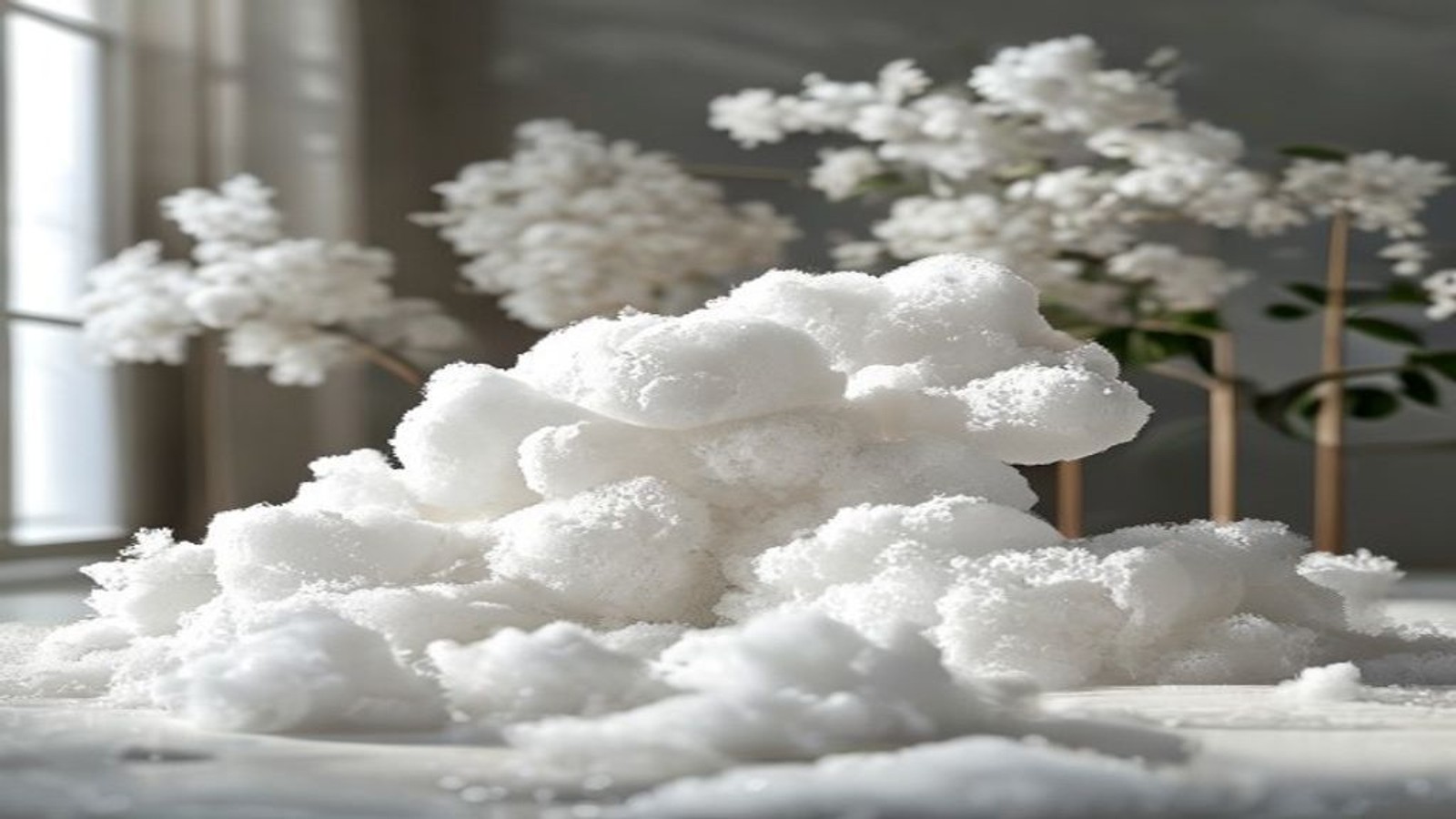
Foam is one of the most versatile materials in modern fabrication. From furniture cushions and insulation panels to theatrical props, packaging, soundproofing, and sculptural art, foam appears everywhere—often hidden, but always essential. Yet the true success of any foam-based project rarely depends on the foam alone. The adhesive used to bond it determines strength, durability, safety, and long-term performance. As industries shift toward healthier workplaces, greener materials, and more sustainable production methods, solvent-free and water-based adhesives have moved from niche alternatives to mainstream solutions. Once dismissed as weak or unreliable, today’s formulations can rival—and in many cases outperform—traditional solvent-based glues when used correctly. This article explores how solvent-free and water-based adhesives work with foam, how their strength is tested, where they excel, where they fall short, and how to choose the right adhesive for your specific application.
A: Yes, when used on compatible foam types and fully cured.
A: No, they are designed to avoid chemical attack.
A: Minimal ventilation is recommended, especially indoors.
A: From several hours to 72 hours depending on formulation.
A: Yes, solvent-free systems perform best in harsh conditions.
A: It can trap moisture and weaken the bond.
A: Most foam-specific formulations remain elastic.
A: Limited repositioning depends on open time.
A: Rarely, but some low-energy foams may benefit.
A: Always—foam behavior varies widely.
Why Adhesive Choice Matters So Much With Foam
Foam behaves differently than wood, metal, or plastic. Its cellular structure, compressibility, and surface chemistry present unique challenges. Adhesives must bond without dissolving, melting, shrinking, or stiffening the foam. They must also flex with the material, withstand compression cycles, and maintain adhesion without cracking or creeping over time.
Traditional solvent-based adhesives often achieve strong bonds quickly, but they can attack foam chemically, emit harmful fumes, and pose flammability risks. As safety regulations tighten and end users demand healthier environments, alternatives that eliminate solvents have become increasingly attractive.
Solvent-free and water-based adhesives address many of these concerns while opening the door to new workflows—especially in indoor, consumer-facing, and creative environments.
Understanding Solvent-Free Adhesives
Solvent-free adhesives contain no volatile organic solvents that evaporate during curing. Instead, they rely on chemical reactions, moisture activation, or physical bonding mechanisms to achieve strength.
Common solvent-free adhesive families include polyurethane (PUR), reactive hot melts, silane-modified polymers, and certain epoxy systems designed for foam compatibility.
These adhesives typically cure through exposure to moisture, heat, or pressure. Because there is no solvent to flash off, nearly 100% of the applied material contributes to bond strength. This makes solvent-free adhesives highly efficient and consistent when properly applied.
For foam applications, solvent-free adhesives are especially valuable where chemical sensitivity is an issue, such as expanded polystyrene (EPS), extruded polystyrene (XPS), and some polyethylene foams that can be damaged by aggressive solvents.
How Water-Based Adhesives Differ
Water-based adhesives use water as a carrier rather than organic solvents. As the water evaporates or is absorbed into the substrate, the adhesive particles coalesce and form a bond. These adhesives are often based on acrylics, latex, polyvinyl acetate (PVA), or modified rubber systems.
The biggest advantage of water-based adhesives is safety. They emit little to no harmful fumes, are typically non-flammable, and are far easier to use in enclosed spaces without specialized ventilation.
Historically, water-based adhesives were associated with lower strength and poor moisture resistance. However, modern formulations have dramatically improved, offering excellent shear strength, flexibility, and long-term durability when used within their intended parameters.
The Role of Foam Type in Adhesive Performance
Not all foam behaves the same, and adhesive compatibility varies widely. Open-cell polyurethane foam absorbs adhesive differently than closed-cell polyethylene foam. Expanded polystyrene reacts very differently than EVA or neoprene foam.
Solvent-free adhesives tend to perform well across a broader range of foam types because they do not rely on chemical attack to create a bond. Water-based adhesives, however, often depend on surface wetting and absorption, making them more effective on porous or open-cell foams.
Understanding the foam’s density, cell structure, surface energy, and intended use environment is critical before selecting an adhesive system.
How Adhesive Strength Is Tested
Adhesive performance is not based on guesswork. Manufacturers and independent labs rely on standardized testing methods to evaluate strength, flexibility, and durability.
Shear strength tests measure how well an adhesive resists forces that slide bonded surfaces past each other. Peel tests evaluate how easily a bonded joint can be pulled apart at an angle. Tensile tests assess resistance to direct pulling forces. Compression cycling tests simulate repeated foam compression, which is especially important for cushions, packaging, and insulation.
Many of these tests follow guidelines established by ASTM International, ensuring consistent comparisons across products and applications.
While lab data provides valuable benchmarks, real-world performance also depends heavily on surface preparation, adhesive thickness, curing conditions, and application technique.
Strength Comparison: Solvent-Free vs Water-Based
In controlled strength testing, solvent-free adhesives often outperform water-based adhesives in ultimate bond strength, particularly in high-load or structural foam applications. Their chemical curing mechanisms create strong molecular networks that resist creep, heat, and long-term stress.
Water-based adhesives typically offer excellent initial tack and sufficient strength for many applications, but they may be more sensitive to humidity during curing and prolonged exposure to moisture after bonding.
That said, strength alone is rarely the only factor. Flexibility, safety, ease of use, and environmental conditions often matter just as much as raw tensile numbers.
Flexibility and Compression Resistance
Foam is meant to flex. An adhesive that cures too rigid can compromise performance by creating stress points that lead to delamination or foam tearing.
Solvent-free polyurethane and silane-modified adhesives excel in flexibility, maintaining strong bonds even under repeated compression and expansion. This makes them ideal for furniture cushions, mattresses, acoustic panels, and vibration-damping applications.
Water-based adhesives vary widely. Some acrylic systems remain flexible and resilient, while others can become brittle if over-applied or improperly cured. Choosing a formulation specifically designed for flexible substrates is essential.
Moisture, Heat, and Environmental Resistance
Environmental exposure plays a major role in adhesive selection. Foam used outdoors, in vehicles, or in industrial settings may face heat, humidity, UV radiation, and temperature cycling.
Solvent-free adhesives generally offer superior resistance to moisture and heat once fully cured. Many maintain performance across wide temperature ranges and resist degradation over time.
Water-based adhesives can perform very well indoors and in controlled environments but may require additional protection or sealing when used in damp or high-temperature conditions. Advances in cross-linking technology have significantly improved their resistance, but limitations still exist.
Application and Working Time Considerations
Ease of use often determines whether an adhesive is practical for a given project. Solvent-free adhesives can require precise application conditions, including controlled humidity or heat activation. Some cure rapidly, leaving little margin for repositioning.
Water-based adhesives usually offer longer open times, making them ideal for large surfaces, detailed alignment, or artistic applications where precision matters more than speed.
Drying time is another key factor. Water-based adhesives depend on evaporation, which can be slowed by thick foam, low airflow, or cool temperatures. Solvent-free systems often cure faster and more predictably once activated.
Best Uses for Solvent-Free Adhesives in Foam Projects
Solvent-free adhesives shine in applications where strength, durability, and resistance are critical. They are widely used in furniture manufacturing, automotive interiors, insulation systems, composite panels, and architectural foam installations.
They are also ideal for bonding foam to non-porous substrates such as metal, plastic, or coated surfaces where water-based adhesives may struggle to achieve adequate wetting.
For professional fabrication environments, solvent-free adhesives often provide the best balance between performance and regulatory compliance.
Best Uses for Water-Based Adhesives in Foam Projects
Water-based adhesives excel in indoor, creative, and consumer-facing applications. They are popular in arts and crafts, theatrical set design, foam sculpture, packaging, acoustic treatments, and DIY projects.
Their low odor and non-toxic nature make them especially suitable for schools, studios, hospitals, and residential settings. When paired with compatible foam types and proper curing conditions, they deliver reliable performance without the hazards associated with solvents.
For projects prioritizing safety, ease of cleanup, and environmental responsibility, water-based adhesives are often the preferred choice.
Sustainability and Environmental Impact
One of the strongest drivers behind the shift toward solvent-free and water-based adhesives is sustainability. Eliminating solvents reduces volatile organic compound emissions, improves indoor air quality, and lowers environmental impact throughout the product lifecycle.
Many modern adhesive systems are designed to meet green building standards and corporate sustainability goals without sacrificing performance. As regulations evolve, these adhesives are no longer optional alternatives—they are becoming industry standards.
Common Mistakes That Reduce Adhesive Performance
Even the best adhesive can fail if misused. Applying too much adhesive can trap moisture or prevent proper curing. Insufficient surface preparation can lead to weak bonds. Ignoring recommended curing times can compromise long-term strength.
Foam projects often fail not because of adhesive choice, but because of rushed application or mismatched expectations. Understanding the adhesive’s chemistry and respecting its limitations is just as important as selecting the right product.
Choosing the Right Adhesive for Your Foam Application
Selecting between solvent-free and water-based adhesives is less about which is “better” and more about which is appropriate. Consider the foam type, load requirements, environmental exposure, application environment, safety concerns, and desired lifespan.
For high-performance, load-bearing, or industrial applications, solvent-free adhesives often provide the highest reliability. For creative, indoor, or health-conscious environments, water-based adhesives offer excellent performance with minimal risk. Testing on small samples before committing to full-scale production is always recommended.
The Future of Foam Adhesives
Adhesive technology continues to evolve rapidly. Hybrid systems that combine the safety of water-based formulations with the strength of reactive polymers are already entering the market. Innovations in bio-based resins and recyclable adhesive systems are pushing sustainability even further.
As foam applications expand into new industries—from sustainable architecture to immersive art installations—the adhesives that bond them will play an increasingly critical role.
Final Thoughts
Solvent-free and water-based adhesives have reshaped what is possible in foam fabrication. No longer limited by toxic fumes or foam-damaging solvents, designers, builders, and artists now have access to safer, stronger, and more versatile bonding solutions than ever before. Understanding how these adhesives perform, how their strength is tested, and where each excels empowers you to build better, safer, and longer-lasting foam projects—whether you’re crafting a single sculpture or engineering large-scale installations. The bond may be invisible, but its impact is anything but.