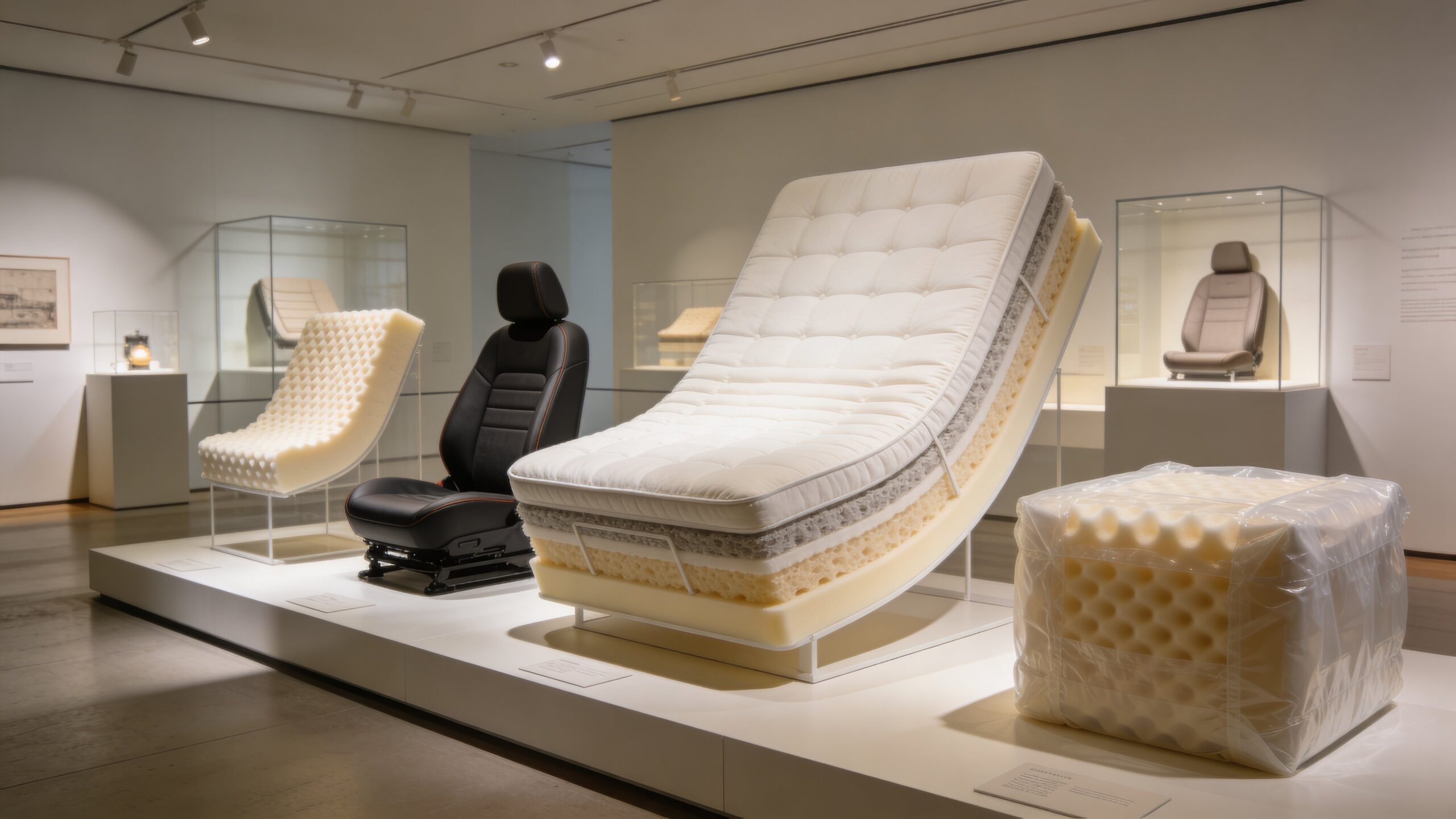
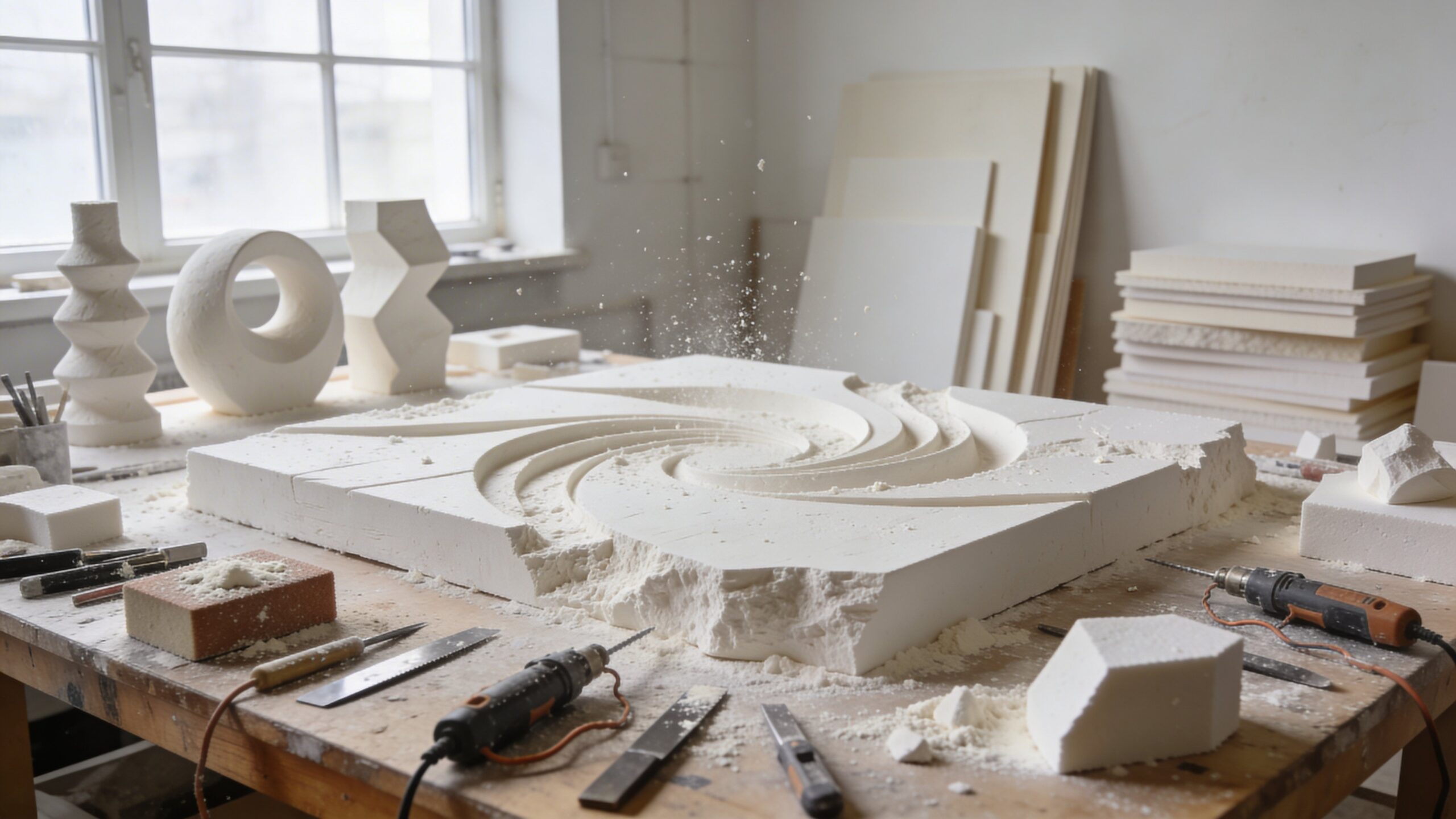
Foam core—sometimes called foam board—is one of those behind-the-scenes materials that quietly powers an enormous range of creative and professional projects. From gallery-ready photo displays to trade show graphics, architectural mockups, and classroom presentations, foam core is prized for its balance of light weight, rigidity, and clean visual finish. Though often underestimated because of its simplicity, foam core plays a critical role in photography, printing, and design industries where clarity, portability, and precision matter. At its essence, foam core consists of a dense foam center sandwiched between two smooth outer paper or plastic facings. This layered construction creates a board that is stiff enough to remain flat while being light enough to transport easily. The result is a versatile surface that accepts printing, mounting, cutting, and framing with ease, making it a staple material across creative fields.
A: No. Foam core is thicker, more rigid, and designed for professional mounting.
A: Yes, it fits well inside frames or can be float-mounted.
A: Standard versions are not; moisture-resistant options are available.
A: It can if exposed to humidity or uneven adhesive application.
A: 3/16” works for small prints; 1/2” is better for large displays.
A: Recycling is limited due to mixed materials.
A: Some printers allow it, but mounting prints is more common.
A: Archival foam core is suitable for extended indoor use.
A: It can compress under pressure, so handle with care.
A: It’s fast, clean, affordable, and visually professional.
The Composition and Structure of Foam Core
Understanding foam core begins with its internal structure. The core itself is usually made from polystyrene foam, engineered to be rigid without adding unnecessary weight. This foam is then bonded to outer layers that may be made of paper, clay-coated paper, or specialized plastic surfaces depending on the intended use.
The outer facings provide the smooth, printable surface that designers and photographers rely on. These layers also protect the foam interior from minor impacts and help maintain sharp edges when the board is cut. Higher-quality foam core products use acid-free materials in the facings and adhesives, which prevents discoloration and degradation over time—an essential consideration for archival photography and long-term displays.
Thickness varies, typically ranging from 3/16 inch to 1/2 inch, allowing creators to select the balance between rigidity and flexibility that best suits their project. Thicker boards offer increased stiffness for large displays, while thinner boards excel in lightweight applications and intricate cutting.
Why Foam Core Became an Industry Standard
Foam core’s popularity is not accidental. It emerged as a practical alternative to heavier materials like wood, metal, or glass for temporary and semi-permanent displays. Its rise coincided with the growth of modern visual communication, where portability, speed, and cost efficiency became as important as visual impact.
In professional environments, foam core allows teams to prototype ideas quickly. Designers can mount prints, trim edges, and present concepts within minutes rather than hours. Photographers benefit from a clean, neutral backing that enhances images without competing for attention. Printers appreciate a substrate that is forgiving, consistent, and compatible with a wide range of inks and adhesives.
This balance of affordability and performance makes foam core accessible to students and hobbyists while still meeting the standards of professional studios and agencies.
Foam Core in Photography Displays
In photography, presentation is as important as the image itself. Foam core offers photographers a reliable way to mount and display prints without the cost or permanence of traditional framing. Mounted photographs on foam core maintain a flat profile, resist curling, and present clean edges that draw the viewer’s eye directly to the image.
Foam core is especially popular for portfolio reviews, gallery submissions, and exhibitions where images may be displayed temporarily. Its light weight allows multiple large prints to be transported safely, and its rigidity ensures that images remain straight when leaned against walls or mounted on easels.
The neutral surface of foam core also plays a subtle psychological role. Unlike glossy frames or ornate borders, it recedes into the background, allowing the photograph to remain the focal point. This makes it particularly effective for fine art photography, documentary work, and professional portfolios where distraction must be minimized.
Archival Considerations for Photographers
Not all foam core is created equal, and photographers working with valuable prints must pay close attention to archival quality. Standard foam core can contain acids that, over time, may yellow or damage photographic paper. Archival foam core, on the other hand, is made with acid-free facings and adhesives designed to preserve artwork for decades.
Using archival foam core is especially important for limited-edition prints, museum exhibitions, and client deliverables intended for long-term display. While archival options may cost more, they protect the integrity of the image and uphold professional standards.
Foam Core as a Printing Substrate
In the world of printing, foam core serves as a dependable substrate for everything from retail signage to event graphics. Prints can be mounted to foam core using pressure-sensitive adhesives, spray adhesives, or heat-activated mounting films, resulting in crisp, professional displays that are ready for immediate use.
Large-format printers often rely on foam core for posters, point-of-purchase displays, and promotional graphics because it combines visual impact with ease of installation. Unlike rigid plastics or metal panels, foam core can be mounted using simple hardware, adhesive strips, or display stands, reducing setup time and costs.
For temporary marketing campaigns, foam core is particularly attractive. It provides a polished look without the expense of long-term materials, making it ideal for seasonal promotions, pop-up shops, and trade shows where visuals need to be updated frequently.
Color Accuracy and Surface Finish
One of foam core’s strengths in printing is its consistent surface finish. The smooth outer layers allow printed images to maintain sharp details and accurate color reproduction. When prints are properly mounted, the board remains flat, preventing warping or rippling that can distort graphics.
Specialized foam core products with plastic or moisture-resistant facings further enhance print quality by reducing the risk of humidity-related damage. These options are often used in environments like retail stores or exhibition halls where climate control may vary.
Foam Core in Graphic and Industrial Design
Designers use foam core not only as a display material but also as a core tool in the creative process itself. In graphic design, foam core is frequently used to mock up signage, packaging concepts, and spatial layouts. These physical representations help clients visualize scale, proportion, and placement more effectively than digital renderings alone.
In industrial and product design, foam core plays a role in early-stage prototyping. Its ease of cutting and shaping allows designers to construct quick models of enclosures, interfaces, or structural elements. While not intended for functional testing, foam core prototypes provide valuable insights into form and ergonomics.
Architects and interior designers also rely on foam core for scale models. Buildings, furniture layouts, and spatial concepts can be assembled with precision, giving clients and stakeholders a tangible understanding of the design before construction begins.
Precision Cutting and Fabrication
Foam core is prized for how easily it can be cut and shaped. With sharp blades and proper technique, designers can achieve clean edges, sharp corners, and intricate shapes. This makes it ideal for lettering, logos, layered designs, and dimensional graphics.
Because the foam interior is soft relative to the outer facings, cuts require minimal force, reducing fatigue during large projects. This ease of fabrication encourages experimentation, allowing designers to test multiple ideas quickly without committing to expensive materials.
Foam Core in Education and Presentations
Beyond professional studios, foam core has become a cornerstone of education and presentations. Students use it for science fairs, design critiques, and academic displays because it offers a professional appearance with minimal cost. Educators rely on foam core boards for visual aids that can be reused or updated with ease.
In corporate environments, foam core supports presentations that demand clarity and mobility. Charts, diagrams, and brand visuals mounted on foam core can be transported between meeting rooms, displayed on easels, or arranged into modular presentations without technical setup.
This accessibility reinforces foam core’s role as a bridge between creativity and communication, enabling ideas to be shared clearly across disciplines and skill levels.
Durability and Limitations
While foam core is versatile, it is not without limitations. The foam interior can dent or crush under significant pressure, and standard paper facings are vulnerable to moisture. Prolonged exposure to humidity can cause warping, delamination, or staining.
For outdoor or high-traffic environments, foam core may be replaced with more durable substrates like PVC boards or aluminum composites. However, for indoor displays and controlled conditions, foam core offers more than enough durability for its intended lifespan. Understanding these limitations allows professionals to choose foam core strategically, using it where its strengths shine rather than forcing it into unsuitable applications.
Sustainability and Environmental Considerations
As sustainability becomes a growing concern in creative industries, foam core has come under scrutiny for its environmental impact. Traditional foam core is difficult to recycle due to its composite structure. However, manufacturers have responded with more eco-friendly options, including boards made with recycled content or biodegradable facings.
Designers and printers increasingly factor sustainability into material selection, balancing performance with environmental responsibility. Choosing reusable displays, minimizing waste through precise cutting, and exploring greener alternatives all contribute to more sustainable use of foam core.
Choosing the Right Foam Core for Your Project
Selecting the appropriate foam core depends on the project’s purpose, lifespan, and environment. Photographers may prioritize archival quality and surface neutrality, while marketers focus on cost and visual impact. Designers consider thickness and cutability, and educators value affordability and availability.
By understanding the range of foam core options—standard, archival, moisture-resistant, and eco-friendly—professionals can match the material to their specific needs. This informed approach ensures better results and longer-lasting presentations.
The Enduring Value of Foam Core
Despite advances in digital displays and new materials, foam core remains a trusted solution in photography, printing, and design. Its simplicity is its strength: a lightweight board that delivers professional results without complexity or high cost.
Foam core supports creativity at every stage, from brainstorming and prototyping to final presentation. It allows ideas to take physical form quickly, communicates visuals clearly, and adapts to countless applications. In an industry that constantly evolves, foam core endures because it solves fundamental problems with elegance and efficiency.
Conclusion: A Material That Shapes Visual Storytelling
Foam core may not attract attention on its own, but it plays a vital role in how images, ideas, and designs are presented to the world. In photography, it elevates prints with clean, unobtrusive mounting. In printing, it transforms graphics into portable displays. In design, it enables rapid prototyping and clear communication. By understanding what foam core is and how it is used, creatives gain a deeper appreciation for a material that quietly shapes visual storytelling across industries. Whether in a gallery, classroom, studio, or showroom, foam core continues to prove that lightweight solutions can carry powerful ideas.