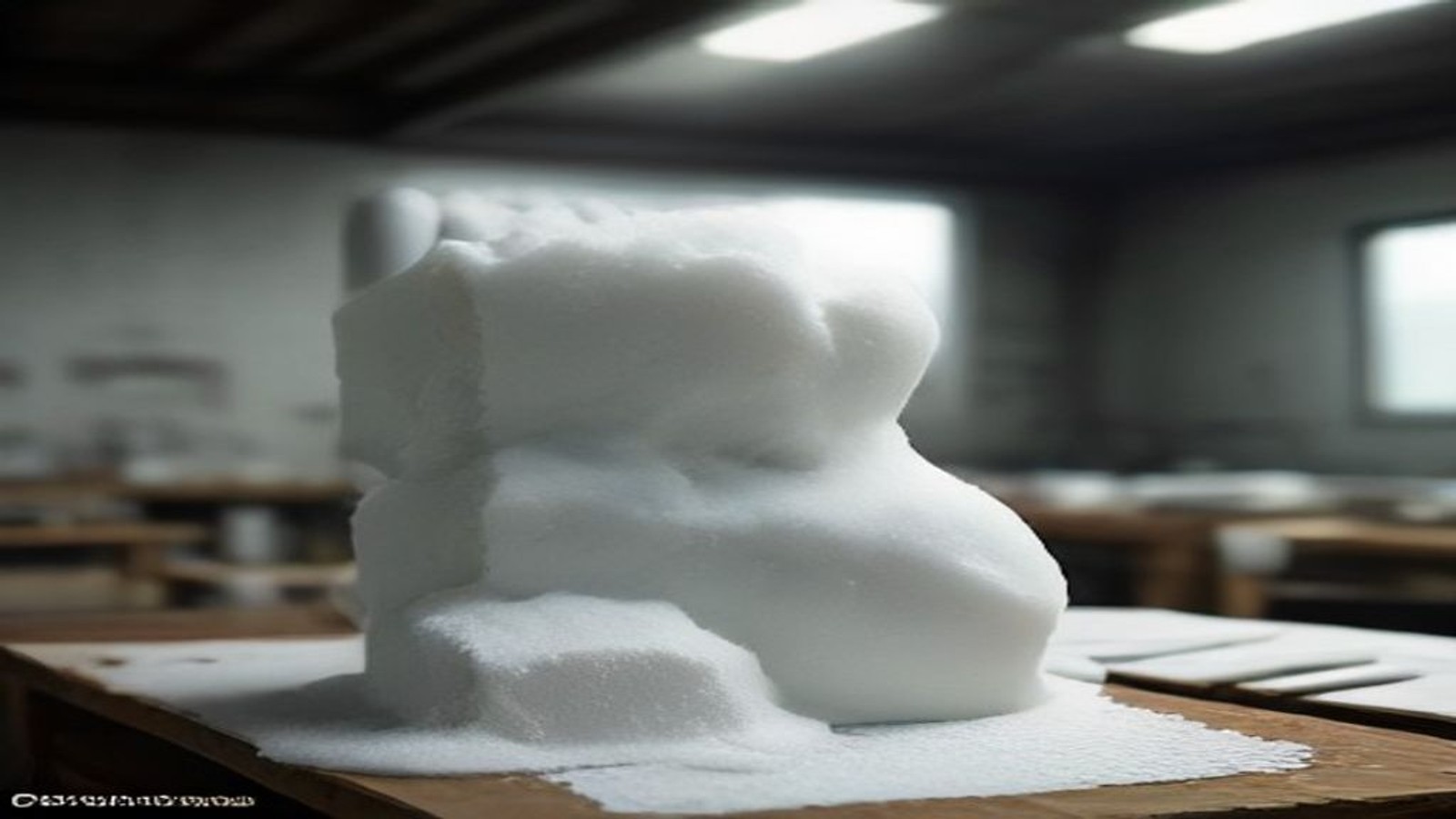
Sculpture has always been an art form that demands resources—not only time and labor but also materials that often come with high price tags. Marble must be quarried and transported, bronze must be cast, and even wood and clay carry costs that increase with scale and quality. For centuries, the expense of materials has limited who can create and what can be imagined. Foam, however, has emerged as a modern solution to these challenges. Lightweight, versatile, and inexpensive, foam offers artists the ability to dream bigger while spending less. It is the material that democratizes sculpture, opening possibilities for large-scale works, experimental projects, and educational initiatives without the financial strain associated with traditional mediums. This comprehensive review explores foam’s budget-friendly advantages, examining how cost-effectiveness influences creativity, accessibility, and the future of sculpture.
A: EPS for bulk volume per dollar; add XPS only where crisp edges matter.
A: Use thin PVA/gesso seals, then acrylic primer/paint; reserve hard coats for high-contact zones.
A: Insulation suppliers and sheet goods yards often beat craft stores; ask about seconds or off-cuts.
A: Nest parts, mirror pieces, and save off-cuts for cores, plugs, and test tiles.
A: Hot-wire or snap knife, surform, long sanding block, PVA/contact/urethane glues, primer, acrylics, PPE.
A: Design to standard pallet/elevator sizes; use light crates and soft straps around frames, not painted skins.
A: Yes—if you plan coatings and UV clears upfront; skipping them leads to costly rework.
A: Test finishes on tiles, keep color recipes, and photograph stages so touch-ups match.
A: High-touch edges, thin fins, and crisp bevels—localized upgrades save the rest of the budget.
A: Modular design: parallel builds, smaller crews, cheaper installs—foam shines here.
The High Price of Tradition
To appreciate foam’s affordability, it is necessary to understand the financial demands of traditional materials. Marble, for example, is one of the most revered sculptural mediums, but quarrying, transporting, and finishing it can cost thousands of dollars for even a modest block. Bronze, valued for its durability and prestige, requires casting processes involving foundries, molds, and specialized labor, all of which add significantly to expense. Even wood, often seen as more accessible, becomes costly when large-scale projects demand rare or durable species. Clay, while relatively affordable in small quantities, becomes expensive at scale due to firing requirements and kiln limitations. These costs do not merely burden artists financially; they restrict creative ambition by forcing compromises in size, scope, or frequency of projects.
Foam’s Inexpensive Nature
Foam overturns this economic equation. Expanded polystyrene (EPS), extruded polystyrene (XPS), polyurethane, and EVA foams are all widely available at hardware stores, craft suppliers, and industrial distributors at a fraction of the cost of stone, metal, or even wood. A massive foam block suitable for a monumental figure might cost less than the price of a single marble fragment. Because foam is manufactured rather than mined or harvested, its cost remains relatively stable and predictable. This accessibility allows artists to plan projects with greater financial certainty, avoiding the unpredictability of fluctuating commodity prices associated with bronze or rare woods. Foam is not just inexpensive—it is reliably inexpensive.
Affordability as a Catalyst for Experimentation
Perhaps the most overlooked benefit of foam’s low cost is the way it encourages risk-taking. With expensive materials, every strike of the chisel or cut of the saw carries the weight of financial consequence. Mistakes are costly and often irreversible. Foam, by contrast, invites experimentation. If a form does not work, the block can be discarded or repurposed without regret. This freedom fosters innovation, allowing sculptors to push boundaries, test multiple designs, and embrace bold ideas that might be stifled by the financial risks of traditional materials. For students, hobbyists, or professionals alike, foam’s affordability liberates creativity in ways that more costly mediums cannot.
Scaling Up Without Scaling Costs
Large-scale sculpture has historically been the domain of institutions, governments, or wealthy patrons, primarily because of the immense cost of traditional materials. Foam breaks down this barrier. Sculptors can now create monumental figures, immersive environments, or expansive installations without the prohibitive expense. A parade float, a festival centerpiece, or a massive public installation can be constructed at a fraction of what stone or bronze would demand. This scalability is one of foam’s most transformative qualities: it allows artists to think big on small budgets, extending the reach of their imagination into public spaces and mass cultural events.
Cost Savings in Tools and Labor
Foam’s budget-friendly benefits extend beyond material price into tools and labor. Working with marble requires diamond-tipped chisels and specialized grinders, while bronze demands furnaces and foundry access. Wood carving calls for saws, chisels, and sometimes heavy machinery. These tools are not only expensive but also demand technical training and maintenance. Foam, by contrast, can be shaped with affordable tools—hot wire cutters, knives, sandpaper, and basic power tools. Labor costs are also reduced, as foam’s workability allows sculptors to complete projects more quickly and often without additional assistants or teams. For independent artists or small studios, these savings can be the difference between an idea realized and an idea abandoned.
Educational Value: Foam in the Classroom
Art education often struggles with the financial burden of providing materials for large numbers of students. Foam offers a solution, allowing schools and universities to introduce students to sculptural concepts without exhausting budgets. Foam’s affordability makes it possible for students to work on larger projects, gaining experience in scale, proportion, and design without the financial limitations of expensive media. Additionally, because foam is forgiving and easy to shape, it provides a low-risk environment for students to learn, make mistakes, and experiment with techniques. For institutions aiming to broaden access to sculpture, foam’s cost-effectiveness makes it a cornerstone material.
Coating Foam for Professional Results on a Budget
One of foam’s greatest advantages is its ability to mimic more expensive materials through coatings and finishes. Sculptors can apply resin, plaster, epoxy, or specialized hard coats to give foam the appearance of stone, wood, or metal. These coatings add durability and sophistication without adding excessive cost. A foam sculpture coated and painted to resemble bronze can achieve visual impact nearly indistinguishable from the real thing at a fraction of the expense. For artists working on commissions, events, or exhibitions with limited funding, this ability to deliver professional results on a budget is invaluable.
Temporary Works and Cost Efficiency
Many modern sculptural contexts are temporary by design—parades, festivals, stage productions, or seasonal displays. In these cases, investing in costly materials is impractical. Foam excels here, providing impressive visual results for projects intended to exist only briefly. Because foam is inexpensive, artists and organizers can allocate more of their budgets to other areas, such as lighting, sound, or audience engagement, without sacrificing the scale or impact of sculpture. Foam’s affordability aligns perfectly with the temporary nature of much contemporary art and entertainment, ensuring that resources are invested wisely.
Cost-Effectiveness and Accessibility for Emerging Artists
For emerging sculptors, foam provides an entry point into a field that has historically been financially exclusive. Without access to marble quarries, bronze foundries, or wood workshops, many young or independent artists would otherwise be excluded from large-scale work. Foam allows them to build portfolios, experiment with ideas, and showcase their talents without needing institutional support. This accessibility democratizes sculpture, giving voice to creators who might otherwise be silenced by economic barriers. Foam, in this way, is not just a material but a tool for inclusivity in the arts.
Environmental Costs and Economic Trade-Offs
While foam is financially inexpensive, its environmental costs must be acknowledged. Petroleum-based foams such as EPS and XPS contribute to plastic waste and pose recycling challenges. Sculptors must weigh the financial benefits against ecological responsibility. Some mitigate this by repurposing foam from packaging or construction waste, giving discarded material new artistic life. Others experiment with biodegradable or plant-based foams that balance affordability with sustainability. Though foam’s ecological impact complicates its cost-effectiveness, creative solutions continue to emerge that reduce waste while maintaining budget-friendly advantages.
Case Studies: Foam’s Financial Benefits in Practice
Foam’s affordability is evident in countless projects across industries. Theatrical productions use foam for elaborate stage sets created on limited budgets. Festivals like Mardi Gras rely on foam for massive parade floats that must dazzle audiences but remain financially feasible. Cosplay communities embrace EVA foam as a cost-effective way to build intricate costumes and props, making elaborate artistry accessible to hobbyists. Public art installations in cities often feature foam-based works where budgets would never accommodate marble or bronze. In each case, foam’s budget-friendly nature directly enables creativity that might otherwise be impossible.
Balancing Affordability with Perception
Despite its benefits, foam’s low cost sometimes works against it. Traditional materials are associated with value, prestige, and permanence, while foam can be dismissed as “cheap” or “disposable.” This perception affects how foam-based works are received in galleries or by collectors. For artists seeking recognition in fine art contexts, foam’s affordability may paradoxically undermine its appeal. Yet for those working in performance, entertainment, or temporary installations, this perception is irrelevant. Foam’s low cost empowers them to achieve spectacle and accessibility without sacrificing resources. Ultimately, the challenge lies in re-framing foam not as “cheap,” but as an efficient and innovative medium.
The Future of Foam as a Budget-Friendly Medium
As technology advances, foam’s affordability is likely to improve further. CNC cutting machines and 3D modeling software reduce waste, ensuring maximum use of each block. Recycling initiatives promise to extend foam’s life cycle, making it not only cost-effective but also more sustainable. Emerging bio-based foams may combine affordability with ecological responsibility, opening new possibilities for environmentally conscious artists. The future will likely see foam’s cost-effectiveness paired with innovations that enhance both performance and perception, ensuring its continued relevance in sculpture.
Foam as the Sculptor’s Budget Ally
Foam’s cost-effectiveness is more than just an economic advantage—it is a catalyst for creativity, accessibility, and experimentation. By reducing financial barriers, foam allows artists to think bigger, take risks, and engage audiences on scales once reserved for institutions or wealthy patrons. Its affordability makes it invaluable in education, entertainment, and temporary installations, while its ability to mimic more expensive materials expands its professional utility. Though it faces challenges in perception and environmental responsibility, foam’s budget-friendly benefits cannot be overlooked. For sculptors navigating the balance between ambition and resources, foam is not merely an alternative—it is an ally that transforms limitations into opportunities.