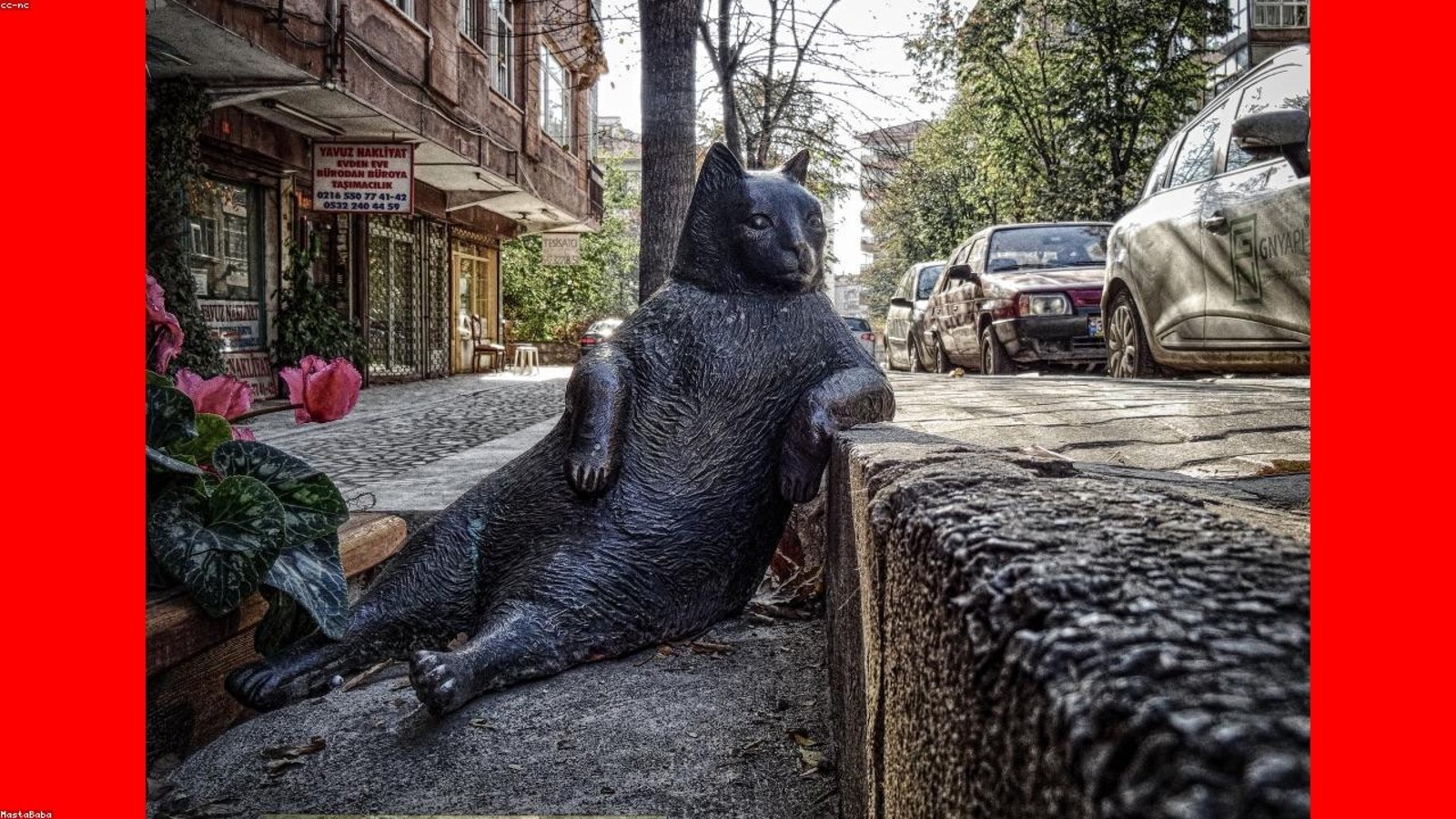
For centuries, sculptors have aspired to place their works in public spaces, where art meets environment and becomes part of daily life. Traditional materials such as marble, bronze, and stone have proven themselves capable of enduring wind, rain, and sunlight for centuries, weathering gracefully or patinating into new forms of beauty. Foam, by contrast, is a relative newcomer. Lightweight, affordable, and versatile, it has become a favorite material for theater, film, and temporary installations. Yet when foam steps outdoors, it faces challenges that its predecessors mastered long ago. Weather is not kind to foam, and unless carefully managed, sculptures crafted from it can quickly lose their structural integrity and visual appeal. This article examines in depth how foam interacts with outdoor conditions, highlighting both its vulnerabilities and the strategies sculptors employ to protect their creations.
A: Yes—with hard skins, UV-stable paints, vents/weep holes, and regular maintenance. Raw or lightly sealed foam won’t last.
A: Polyurea or well-formulated epoxy skins under UV-stable topcoats; elastomeric systems trade some hardness for flexibility.
A: Design for drainage, avoid flat tops, add weep holes; isolate the base from ground splash and ice.
A: Dark/glossy finishes run hotter and can telegraph seams; prefer lighter hues and satin sheens or include expansion breaks.
A: Use stainless hardware, sealed seams, and frequent rinses; topcoats with UV + salt-spray resistance perform best.
A: Inspect seasonally; plan annual wash/clear refresh in high UV zones; touch up chips immediately to keep water out.
A: Gently. Keep distance/angle low to avoid lifting seams; hand wash painted surfaces when possible.
A: Use compatible anti-graffiti clears over your paint system; test removers on offcuts to avoid dissolving barrier coats.
A: Through-bolts into embedded plates or frames; add concealed ballast; use neoprene gaskets to prevent water wicking.
A: Exposed edges and seams. Round edges, mesh corners, and use flexible sealants—then protect with durable topcoats.
Foam as a Sculptural Material
Foam encompasses a wide family of synthetic polymers, including expanded polystyrene (EPS), extruded polystyrene (XPS), polyurethane, and EVA foam. Each variant offers different textures, densities, and performance characteristics. What unites them is a cellular structure filled with air, which makes foam lightweight but inherently fragile. Indoors, this fragility is mitigated by controlled environments. Outdoors, however, exposure to sunlight, heat, cold, wind, and moisture reveals foam’s limitations. Unlike marble or bronze, which thrive under weathering, foam requires deliberate intervention to survive outside.
Limitation #1: UV Degradation
One of foam’s greatest outdoor weaknesses is ultraviolet (UV) radiation. Sunlight breaks down the polymer chains in foam, causing it to yellow, weaken, and eventually disintegrate. Expanded polystyrene is particularly vulnerable, often crumbling into powder after prolonged exposure. Even dense polyurethane foams degrade under intense sun, losing flexibility and cracking. Without protection, a foam sculpture left outdoors may begin to show signs of damage in weeks or months, far shorter than the decades or centuries enjoyed by traditional materials. For artists, UV degradation is perhaps the most urgent factor to address when considering outdoor foam installations.
Limitation #2: Moisture and Water Damage
Foam’s cellular structure makes it susceptible to water infiltration. Rain, snow, and humidity can penetrate unsealed foam, leading to swelling, warping, and eventual breakdown. In cold climates, water trapped within foam freezes, expanding and fracturing the material from within. EPS and XPS resist water to some extent, but prolonged saturation weakens their bonds. Polyurethane foams may absorb water more readily, causing them to lose both strength and shape. Unlike stone, which channels or resists moisture, or bronze, which develops a protective patina, foam deteriorates when wet. For outdoor projects, sealing against water is not optional but essential.
Limitation #3: Temperature Fluctuations
Outdoor environments expose foam to dramatic temperature shifts. Heat can soften and warp foam, while cold can make it brittle and prone to cracking. In regions with seasonal extremes, repeated expansion and contraction place stress on foam sculptures, accelerating structural failure. Traditional materials handle these fluctuations with relative grace: stone expands slowly, metals endure cycles with minimal impact, and wood adjusts depending on grain. Foam lacks this resilience, meaning sculptors must anticipate climate-specific challenges when deploying it outdoors.
Limitation #4: Wind and Physical Stress
Foam’s lightweight nature, often celebrated as an advantage, becomes a liability outdoors. Strong winds can dislodge or topple unanchored sculptures, while physical contact from viewers, animals, or even debris can dent or puncture surfaces. Bronze or marble withstand these pressures with ease; foam, unless reinforced with internal structures, does not. Outdoor foam sculptures therefore demand careful planning in anchoring, armature design, and protective coatings to withstand not only weather but the unpredictability of public interaction.
Protective Measures: Coatings and Hard Shells
Despite these vulnerabilities, foam is not without defenses. Sculptors employ a variety of coatings to protect foam from weather exposure. Epoxy resins, polyurethane coatings, and fiberglass laminates can create hard shells that resist UV light, repel moisture, and add structural integrity. Plaster or cementitious coatings provide a stone-like finish while shielding foam from the elements. Specialized outdoor paints with UV inhibitors further slow degradation. These protective measures extend the lifespan of foam sculptures outdoors from weeks to years, though rarely to centuries. The choice of coating depends on budget, scale, and intended duration of the artwork.
Reinforcement: Armatures and Frames
In addition to coatings, sculptors often embed internal reinforcements within foam sculptures to withstand outdoor stresses. Wooden frames, steel armatures, or aluminum skeletons add weight, stability, and resistance to wind or physical impact. Reinforcement also allows larger sculptures to maintain form even as surface foam experiences minor degradation. While this adds cost and complexity, it is often essential for outdoor displays where safety and durability are priorities. In this way, foam becomes less a standalone material and more a component of a composite structure engineered to survive outdoors.
Temporary vs. Permanent Installations
Foam’s weather resistance must be considered in light of intended lifespan. For temporary installations—parade floats, festival sculptures, stage sets—foam’s limitations are less significant. Sculptures designed to exist for days or weeks can withstand weather with minimal intervention, relying on coatings and reinforcements only as needed. For permanent outdoor art, however, foam presents serious challenges. Even with protection, foam rarely lasts beyond a decade in harsh climates, making it unsuitable for monuments or heritage works intended to endure. Sculptors must balance the cost-effectiveness and lightness of foam against the inevitability of shorter lifespans.
Case Studies: Foam Outdoors
Examples from around the world illustrate foam’s outdoor challenges. Parade floats at events like Mardi Gras rely heavily on foam for their lightweight, sculpted forms, but these are designed for short-term use and often discarded or repurposed after the event. Theme parks use foam extensively for large decorative elements, but these are always coated, reinforced, and subject to rigorous maintenance schedules. Festival installations, such as those at Burning Man, showcase massive foam structures that dazzle audiences for a week before being dismantled or destroyed. These case studies emphasize foam’s suitability for spectacle and temporality rather than long-term endurance outdoors.
Environmental Concerns and Weathering
Another aspect of foam outdoors is its environmental footprint. As foam weathers, it breaks down into microplastics that can scatter into surrounding ecosystems. Unlike bronze or stone, which degrade into inert matter, foam contributes to pollution if not carefully managed. Sculptors working with foam outdoors must therefore take responsibility for end-of-life planning, ensuring that sculptures are dismantled, recycled where possible, or disposed of responsibly. Awareness of this issue is growing, with some artists experimenting with biodegradable foams or hybrid structures to mitigate environmental costs.
Foam vs. Traditional Materials Outdoors
When compared directly to traditional materials, foam’s outdoor limitations are stark. Marble weathers over centuries, developing surface patinas but retaining form. Bronze resists corrosion, with its green patina enhancing rather than diminishing value. Wood, though vulnerable, can endure outdoors for decades when treated. Clay, once fired, withstands time but is limited in scale. Foam, in contrast, demands coatings, reinforcements, and constant vigilance to survive even short spans outdoors. While foam excels in affordability, scale, and speed, its outdoor performance underscores why traditional materials continue to dominate public monuments and long-term installations.
The Philosophy of Impermanence
Foam’s outdoor limitations, however, need not be viewed solely as flaws. Many contemporary artists embrace impermanence as part of their creative philosophy. Foam sculptures that fade, crumble, or vanish under the forces of weather echo themes of transience, fragility, and the relationship between art and nature. By accepting foam’s impermanence, artists transform limitation into meaning, crafting works that are as much about disappearance as they are about presence. In this way, foam aligns with contemporary values that question permanence and celebrate the ephemeral.
Innovations in Weather-Resistant Foams
Technology continues to improve foam’s performance outdoors. Researchers and manufacturers are developing UV-resistant foams, water-repellent additives, and biodegradable polymers designed to withstand environmental stress while reducing ecological harm. Advanced coatings and hybrid composites further enhance durability, making foam more viable for semi-permanent outdoor applications. While foam may never rival marble or bronze in longevity, innovations promise to extend its lifespan and expand its role in outdoor art. Sculptors willing to experiment with these new materials will likely define the next chapter of foam’s evolution.
Foam’s Outdoor Reality
Foam is a material of extraordinary versatility, affordability, and creative potential, but outdoors it reveals its limitations. Vulnerable to UV radiation, moisture, temperature fluctuations, and physical stress, foam cannot match the weather resistance of traditional sculptural materials. Yet with coatings, reinforcements, and technological innovations, it can survive long enough to serve in temporary installations, festivals, and themed environments. Foam’s outdoor reality, then, is not about replacing marble or bronze, but about expanding the range of possibilities for artists willing to embrace both its fragility and its flexibility. For works designed to impress in the moment, foam is invaluable. For monuments meant to last centuries, tradition still reigns. By understanding foam’s limitations outdoors, artists can make informed choices that balance vision, practicality, and responsibility in the ever-evolving dialogue between art and environment.