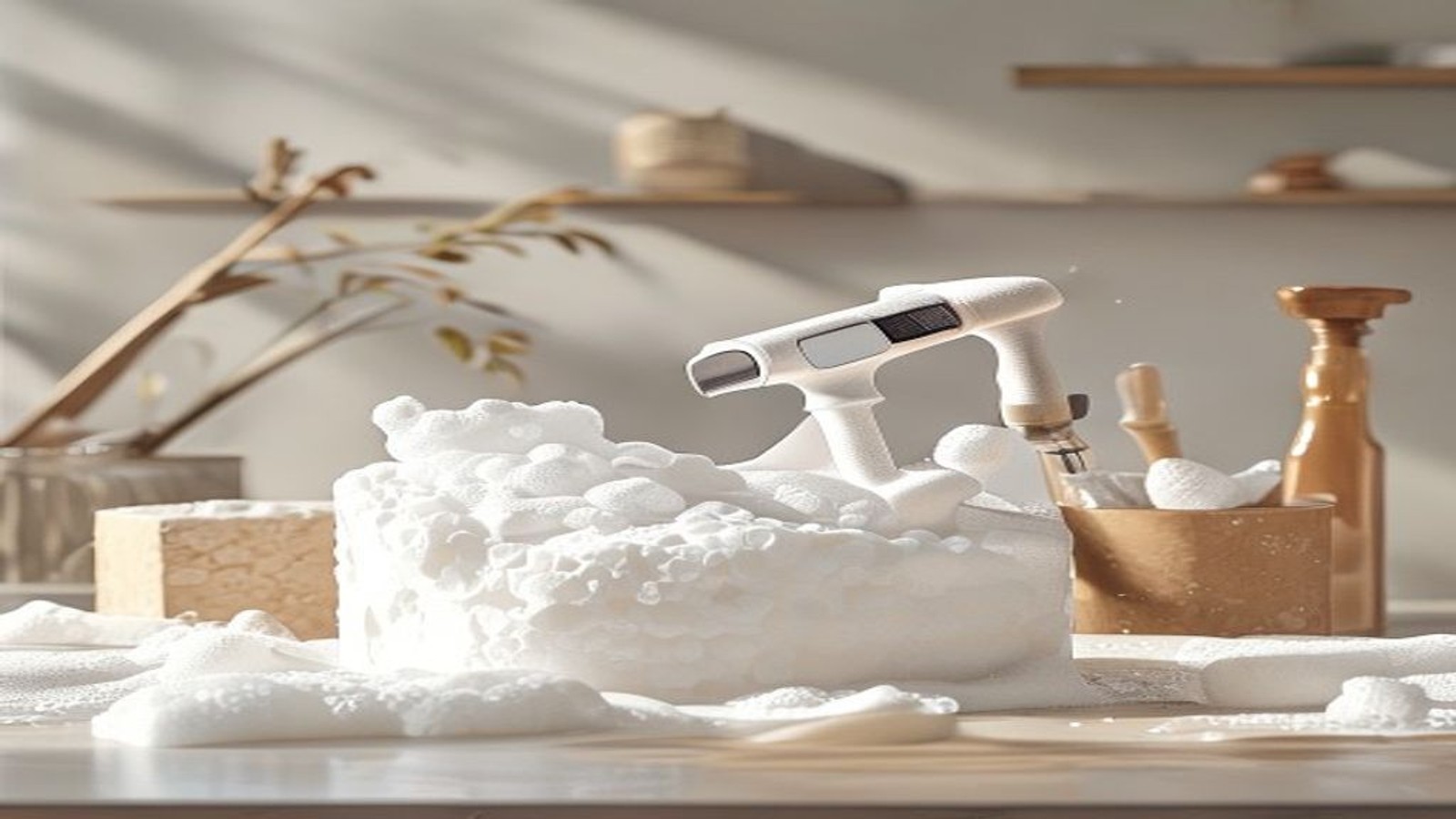
Foam is one of the most fascinating textures in the culinary world. Light yet structured, fleeting yet expressive, foam has the power to transform flavor perception, aroma release, and visual appeal. From the creamy head on a freshly poured beer to the airy elegance of chocolate mousse or the dramatic flair of modernist cuisine, foam plays a central role in how we experience food and drink. While it may appear delicate or even whimsical, culinary foam is grounded in chemistry, physics, and centuries of cooking tradition. Understanding what foam is in food reveals why it has endured across cultures and why chefs continue to innovate with it today. At its core, foam is a dispersion of gas bubbles trapped within a liquid or semi-solid matrix. In cooking, that gas is almost always air or carbon dioxide, while the liquid phase may be water, fat, or a mixture of both. What makes food foam possible is the presence of stabilizing agents, such as proteins, sugars, or emulsifiers, that prevent bubbles from collapsing too quickly. Without stabilization, air escapes and the foam disappears. With it, foam can be spoonable, pipeable, drinkable, or delicately spooned onto a plate as an aromatic accent.
A: Proteins, fats, and sugars that trap air bubbles.
A: It enhances aroma release and mouthfeel.
A: Yes, broths, cheeses, and vegetables can all be foamed.
A: Heat, overmixing, or lack of stabilizers.
A: Absolutely, it’s made from regular food ingredients.
A: Mousse is a more stable, set foam.
A: Not always—fat can weaken some protein foams.
A: Yes, using aquafaba, soy, or coconut cream.
A: It enhances aroma, flavor, and visual quality.
A: No, they are designed to enhance taste and aroma.
The Science Behind Culinary Foam
The creation of foam relies on three essential elements: gas, liquid, and a stabilizer. Gas is introduced through whipping, shaking, fermenting, or carbonation. The liquid provides the medium that holds the bubbles. The stabilizer reduces surface tension and forms a thin film around each bubble, preventing them from merging and popping. In food, proteins are the most common stabilizers, though fats, sugars, and modern hydrocolloids also play critical roles.
Proteins are especially effective because they unfold when agitated, exposing hydrophilic and hydrophobic regions that cling to both water and air. This dual attraction allows proteins to surround air bubbles and form a flexible but resilient network. Egg whites are a classic example, but milk proteins, gelatin, and even certain plant proteins function similarly. Sugars increase viscosity, slowing bubble movement and collapse, while fats can either help or hinder foam depending on context. In whipped cream, fat globules partially coalesce to stabilize air, while in egg whites, excess fat can ruin a foam by interfering with protein bonding. Temperature, acidity, and mechanical force also influence foam quality. Cold liquids often hold foam better, as molecular motion is reduced. Acidic environments can strengthen protein networks, which is why a small amount of lemon juice or cream of tartar improves egg white foam. Overwhipping, however, breaks the structure entirely, causing foam to collapse into a dense or grainy mass. Mastery of foam requires not just ingredients, but timing and touch.
Foam in Fermentation: Beer and Beyond
One of the most recognizable culinary foams appears on top of beer. Known as the head, this foam is more than decorative. It signals freshness, affects aroma, and contributes to mouthfeel. Beer foam forms when carbon dioxide, produced during fermentation, is released upon pouring. Proteins from malted barley and iso-alpha acids from hops work together to stabilize the bubbles, creating a foam that can persist for minutes. A good beer head traps volatile aroma compounds, concentrating them near the nose and enhancing flavor perception with every sip. It also provides visual cues about the beer’s quality. Poor foam retention may suggest issues with glass cleanliness, brewing technique, or ingredient balance. Different beer styles intentionally showcase different foam characteristics. A Belgian tripel may have a towering, rocky head, while a nitro stout creates a dense, creamy foam with extremely fine bubbles. Fermented foods beyond beer also rely on foam-like structures. Bread dough, for instance, is essentially a baked foam. Yeast produces carbon dioxide, which becomes trapped in a network of gluten proteins. The dough expands, setting into a porous crumb once baked. While we do not typically call bread a foam, the underlying principle is remarkably similar, highlighting how deeply foam is embedded in culinary traditions.
Whipped Cream: Fat-Based Foam Perfection
Whipped cream represents a different category of foam, one stabilized primarily by fat rather than protein alone. When cream is whipped, air is incorporated while fat globules partially merge, forming a network that traps bubbles. Milk proteins also contribute, but fat is the star. The result is a luxurious foam with a soft yet stable structure and a rich mouthfeel.
The success of whipped cream depends on fat content, temperature, and technique. Cream must contain enough fat, typically at least 30 percent, to form a stable foam. It must also be cold, allowing fat to partially solidify and support the structure. Overwhipping turns whipped cream into butter as fat globules fully coalesce and expel liquid, demonstrating how fine the balance is between foam and collapse.
Whipped cream has remained a staple across desserts and beverages because it delivers both textural contrast and flavor enhancement. Its foaminess lightens rich dishes while carrying sweetness and aroma. Even today, variations like flavored creams, stabilized whipped creams using gelatin, or plant-based alternatives continue to evolve the classic form.
Egg Foams: From Meringue to Soufflé
Eggs are among the most versatile foam-building ingredients in the kitchen. Egg whites, composed mostly of water and proteins, are particularly well suited to foam creation. When whipped, their proteins unfold and link together around air bubbles, forming a stable network. This foam can be baked, dried, or folded into batters, creating a wide range of textures. Meringue is perhaps the purest expression of egg white foam. Whipped with sugar, which adds viscosity and stability, meringue can be soft and glossy or baked into crisp shells. The foam structure defines everything from pavlova to macarons. Sugar not only sweetens but also slows protein coagulation, allowing for smoother, more elastic foams.
Soufflés rely on egg foam for lift and lightness. Airy egg whites are folded into a flavored base, then baked so the foam expands with heat. The dramatic rise of a soufflé is the expansion of trapped air, while its eventual fall reflects the inevitable collapse of foam once heat is removed. Despite this fragility, soufflés endure as a culinary icon, showcasing the dramatic possibilities of foam.
Milk Foams and Coffee Culture
Foam plays a central role in coffee and tea culture, especially in drinks that incorporate milk. Steamed milk foam, used in lattes and cappuccinos, is created by injecting steam into milk, heating it while incorporating air. Milk proteins, primarily casein and whey, stabilize the foam, while fat content influences bubble size and creaminess. Microfoam, characterized by extremely fine, uniform bubbles, has become the gold standard in specialty coffee. It integrates seamlessly with espresso, creating a velvety texture rather than a stiff cap. Achieving microfoam requires precise control of temperature, steam pressure, and milk composition. Too hot, and proteins denature excessively, collapsing the foam. Too cold, and the structure never fully forms. Beyond coffee, milk foams appear in desserts, sauces, and even savory dishes. They can be flavored, lightly sweetened, or seasoned, adding both texture and aromatic lift. In many cases, foam allows chefs to deliver rich flavors in a lighter, more ephemeral form.
Culinary Foams in Modernist Cuisine
Modernist cuisine has pushed foam into new territory, turning it into a deliberate, expressive technique rather than a byproduct. Using tools like immersion blenders, siphons, and specialized stabilizers, chefs can create foams from almost any liquid, including juices, broths, and oils. These foams may be warm or cold, savory or sweet, intensely flavored yet visually delicate. Stabilizers such as lecithin, gelatin, and various gums allow for unprecedented control. Lecithin, derived from soy or egg yolk, is particularly popular for creating light, ephemeral foams that sit atop liquids. Gelatin adds body and heat stability, while gums increase viscosity without adding flavor. These techniques allow chefs to present flavors in new dimensions, separating aroma, taste, and texture in surprising ways. In this context, foam becomes a tool for storytelling and sensory exploration. A citrus foam might deliver aroma before flavor, or a savory foam might dissolve instantly on the tongue, leaving behind a concentrated taste. While sometimes criticized as gimmicky, well-executed culinary foams enhance dishes rather than distract from them, demonstrating how technique can elevate simplicity.
Mousse: The Marriage of Foam and Emulsion
Mousse occupies a special place in the foam family, combining airiness with richness. Traditionally made by folding whipped cream or egg foam into a flavored base, mousse relies on both foam and emulsion principles. Chocolate mousse, for example, balances melted chocolate, fat, and air, creating a texture that feels indulgent yet light.
The stability of mousse depends on careful folding and temperature control. Too much mixing deflates the foam, while insufficient integration leads to uneven texture. Cooling allows fats to set, locking air bubbles in place and giving mousse its characteristic body. Unlike fleeting foams, mousse is designed to hold its structure, offering a spoonable, luxurious experience. Modern interpretations of mousse explore plant-based alternatives, reduced sugar formulations, and savory applications. Yet the underlying principle remains the same. Mousse is a celebration of foam’s ability to transform density into delight, proving that air can be an ingredient as impactful as any other.
Foam and Flavor Perception
One of the most intriguing aspects of foam is how it alters flavor perception. Because foam increases surface area, it accelerates aroma release, which heavily influences taste. A foamy texture can make flavors seem more intense, even when using less sugar, salt, or fat. This has significant implications for both culinary creativity and nutritional design. Foam also changes mouthfeel, creating contrast and surprise. The sensation of bubbles collapsing on the tongue adds a dynamic element that solid or liquid textures cannot replicate. In beverages, foam can soften bitterness or acidity, as seen in beer and coffee. In desserts, it can lighten richness, making indulgent flavors feel less heavy. Chefs and food scientists alike study these effects to better understand how texture shapes perception. Foam is not just about appearance; it actively reshapes how we experience flavor, making it a powerful tool in the kitchen.
Stability, Shelf Life, and Challenges
Despite its appeal, foam presents challenges, especially outside the controlled environment of a kitchen. Foam is inherently unstable, prone to collapse over time. In commercial food production, maintaining foam texture requires careful formulation, packaging, and sometimes preservatives. Aerated desserts, whipped toppings, and foamy beverages must balance stability with freshness and sensory quality.
Temperature fluctuations, vibration, and storage time all threaten foam integrity. This is why many foamy foods are prepared close to the moment of consumption. Advances in food science continue to explore ways to stabilize foams naturally, using proteins and fibers rather than artificial additives, aligning with consumer demand for clean-label products. Understanding these limitations helps explain why foam is both alluring and ephemeral. Its fragility is part of its charm, reminding us that some culinary experiences are meant to be enjoyed in the moment.
The Cultural and Aesthetic Appeal of Foam
Foam carries cultural meaning as well as technical significance. In many cuisines, froth and lightness symbolize refinement and care. A well-formed beer head, a perfectly risen soufflé, or a smooth cappuccino foam signals craftsmanship. Foam invites anticipation, encouraging diners to engage with food visually and sensorially before tasting.
In contemporary plating, foam often serves as an accent, adding height, contrast, or aromatic intrigue. Used thoughtfully, it complements rather than overwhelms. Its visual lightness mirrors its textural delicacy, reinforcing the idea that food can be both playful and precise. Across history and innovation, foam has remained a bridge between science and art. It demonstrates how air, an invisible and intangible element, can become a defining ingredient through skill and understanding.
Why Foam Still Matters in Food
Foam endures in culinary practice because it offers something uniquely human: transformation. By incorporating air, cooks turn dense ingredients into something lighter, more expressive, and often more pleasurable. Foam showcases technique, enhances flavor, and creates memorable experiences, whether in a casual drink or a fine dining setting. As food culture evolves, foam continues to adapt. From traditional fermentation to cutting-edge gastronomy, it remains a symbol of creativity and control. Understanding what foam is in food reveals not just a technique, but a philosophy, one that values balance, curiosity, and the magic that happens when science meets the senses. In the end, foam reminds us that even the simplest elements can create extraordinary results when handled with care. It is air made edible, fleeting yet impactful, and an enduring testament to the craft of cooking.