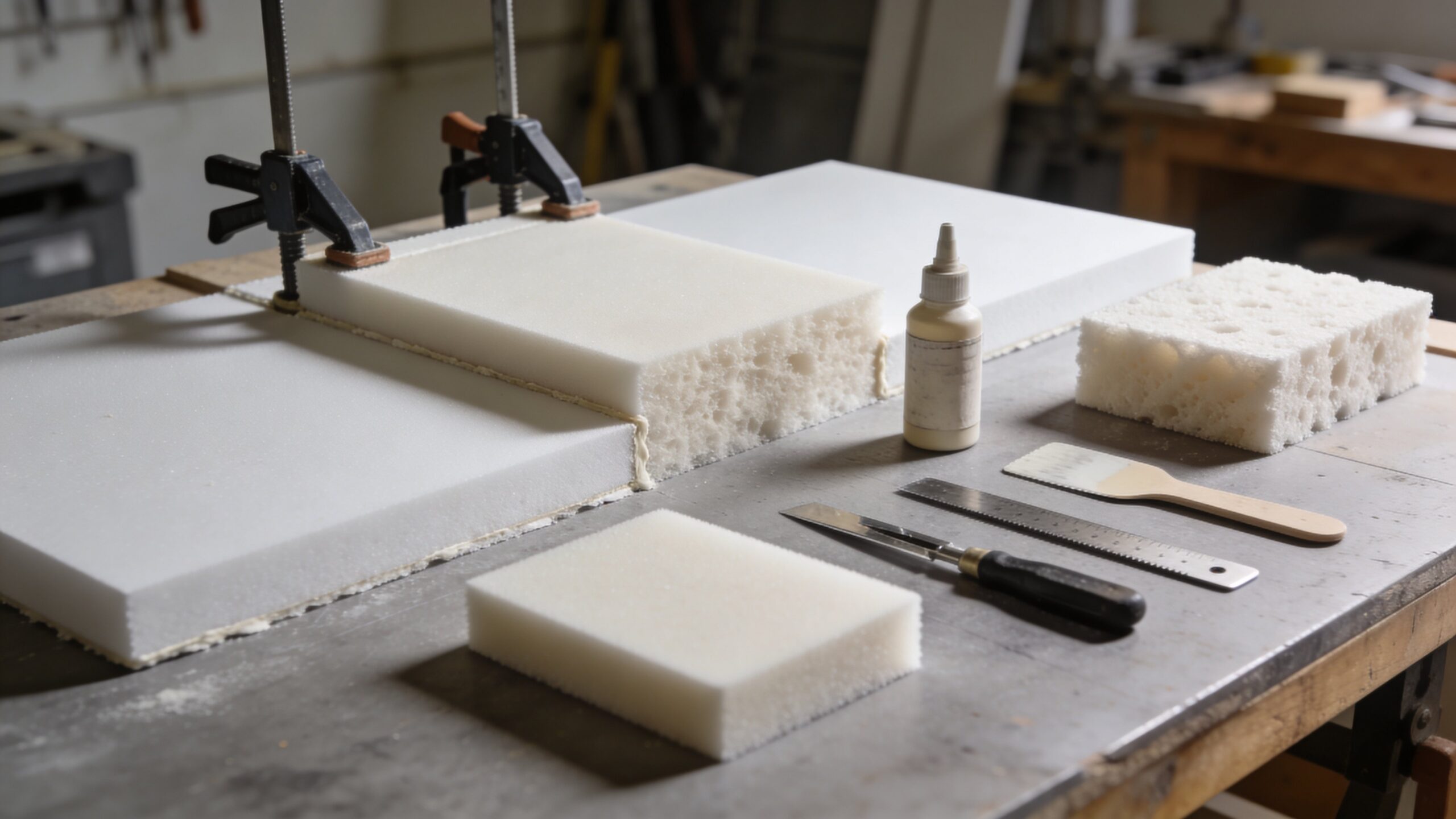
Foam plastic is everywhere, often unnoticed despite its constant presence in daily life. It cushions fragile packages, insulates buildings, pads furniture, protects athletes, and preserves food temperature during transport. Lightweight yet strong, foam plastics have become indispensable to modern manufacturing, construction, and consumer goods. However, their widespread use has also raised important questions about safety, environmental impact, and long-term sustainability. Understanding what foam plastic is—and what it is not—is essential for making informed decisions as consumers, builders, designers, and policymakers. Foam plastics are not a single material but a broad category of engineered polymers with unique structures, properties, and environmental consequences. Some are soft and flexible, others rigid and load-bearing. Some are recyclable in theory but difficult to process in practice. Others raise concerns about chemical exposure or long-term waste accumulation. This article explores foam plastic from the ground up: how it works, the major types in use today, safety considerations across applications, and the significant recycling challenges that continue to shape its future.
A: It depends on sleep preference, temperature sensitivity, and responsiveness needs.
A: Modern designs include cooling foams and breathable covers.
A: High-quality foam mattresses can last 8–15 years.
A: Natural latex is renewable and biodegradable.
A: No, they perform best on solid or slatted foundations.
A: Properly designed foam supports spinal alignment.
A: Memory foam excels at motion isolation.
A: Latex feels supportive but buoyant, not hard.
A: Latex mattresses are heavier than memory foam.
A: Yes, rotation helps extend lifespan.
Understanding Foam Plastic at a Fundamental Level
At its core, foam plastic is a polymer material filled with gas bubbles. These bubbles, known as cells, are trapped within a solid plastic matrix, creating a material that is far lighter than solid plastic while retaining useful mechanical properties. The structure of these cells is what gives foam plastic its defining characteristics—cushioning, insulation, shock absorption, and energy dissipation.
Foam plastics can be either open-cell or closed-cell. Open-cell foams contain interconnected pores that allow air and moisture to pass through, resulting in soft, breathable, and flexible materials. Closed-cell foams, by contrast, trap gas inside sealed pockets, making them rigid, moisture-resistant, and excellent thermal insulators.
The plastic base material varies widely and determines much of the foam’s behavior. Polystyrene, polyurethane, polyethylene, and polyvinyl chloride are among the most common polymers used in foam plastics. Each brings different strengths, weaknesses, and environmental implications. What makes foam plastic so attractive across industries is its efficiency. By replacing solid material with air, manufacturers reduce weight, material cost, and energy use during transport, while still achieving structural or protective performance.
The Evolution of Foam Plastics in Modern Industry
Foam plastics emerged as a major industrial material in the mid-20th century, driven by advances in polymer chemistry and post-war manufacturing demand. Early applications focused on insulation and packaging, where lightweight materials offered immediate economic advantages.
Over time, foam plastics expanded into furniture, automotive manufacturing, sports equipment, medical devices, and aerospace components. Innovations in chemical blowing agents, mold design, and polymer blending allowed manufacturers to fine-tune density, strength, elasticity, and thermal performance.
Today, foam plastics are engineered with remarkable precision. Some foams are designed to compress slowly and recover over time, while others are optimized to absorb sudden impacts. Certain formulations are fire-retardant, antimicrobial, or resistant to chemicals and UV radiation. Despite these advances, the rapid expansion of foam plastic use has outpaced the development of sustainable disposal and recycling infrastructure, creating a growing tension between performance and environmental responsibility.
Major Types of Foam Plastic and Their Uses
Expanded Polystyrene (EPS)
Expanded polystyrene is one of the most recognizable foam plastics, often associated with disposable cups, packaging peanuts, and protective shipping containers. It is made by expanding polystyrene beads with steam, creating a rigid, closed-cell foam that is extremely lightweight. EPS offers excellent shock absorption and thermal insulation, making it popular for packaging electronics, appliances, and food products. In construction, it is also used as insulation panels and structural fill.
However, EPS is highly controversial due to its low recycling rates, tendency to break into small fragments, and persistence in the environment. While technically recyclable, it is often excluded from curbside programs due to contamination and transport inefficiencies.
Extruded Polystyrene (XPS)
Extruded polystyrene is similar in chemistry to EPS but differs in manufacturing process and performance. XPS is produced by extruding molten polystyrene with blowing agents, resulting in a denser, smoother, and more uniform closed-cell structure. XPS is widely used in building insulation, particularly in foundations, walls, and roofs, where moisture resistance and compressive strength are critical. Its durability makes it suitable for long-term structural applications. Environmental concerns surrounding XPS often focus on the blowing agents used in production, some of which have historically contributed to greenhouse gas emissions, though newer formulations are improving this profile.
Polyurethane Foam (PU Foam)
Polyurethane foam is among the most versatile foam plastics available. It exists in both flexible and rigid forms, serving applications as diverse as mattresses, furniture cushions, car seats, spray-foam insulation, and medical padding.
Flexible polyurethane foam is known for its comfort and resilience, while rigid polyurethane foam offers high insulation values with minimal thickness. Spray polyurethane foam, in particular, has revolutionized energy-efficient building design by sealing air leaks and improving thermal performance. Safety and environmental considerations for polyurethane foam include chemical exposure during manufacturing and installation, as well as challenges in recycling due to complex chemical composition.
Polyethylene Foam (PE Foam)
Polyethylene foam is a closed-cell foam known for its toughness, moisture resistance, and chemical stability. It is commonly used in protective packaging, sports equipment, flotation devices, and industrial padding. PE foam does not absorb water and resists many chemicals, making it suitable for harsh environments. It is also considered less toxic than some other foam plastics, particularly in consumer and medical applications. While polyethylene itself is widely recyclable, foam versions face logistical challenges similar to other low-density plastics.
Safety Considerations of Foam Plastic Materials
Chemical Exposure and Indoor Air Quality
One of the most frequently raised concerns about foam plastic safety relates to chemical exposure. Some foam plastics contain additives such as flame retardants, plasticizers, or residual monomers that can off-gas over time. In indoor environments, especially poorly ventilated spaces, this off-gassing can contribute to indoor air quality issues. Modern regulations and improved manufacturing practices have significantly reduced these risks, but sensitivity varies depending on material type and application. Proper curing, ventilation during installation, and adherence to safety standards are critical when using foam plastics in homes and workplaces.
Fire Safety and Flammability
Foam plastics are organic polymers and, as such, are combustible. Some foam plastics ignite easily and can release toxic smoke when burned. This has led to strict fire safety regulations, particularly in construction and transportation applications.
To mitigate these risks, manufacturers incorporate flame retardants or protective barriers. Building codes often require foam insulation to be covered with fire-resistant materials such as drywall or concrete. Fire safety is not solely a material issue but also a design and installation concern. When properly used within regulatory guidelines, foam plastics can meet stringent fire performance requirements.
Physical Safety and Structural Performance
From a physical standpoint, foam plastics are generally safe and predictable when used as intended. Their energy-absorbing properties reduce injury risk in sports gear, automotive interiors, and protective packaging. However, improper use—such as relying on foam plastic for structural support beyond its rated capacity—can lead to material failure. Understanding load limits, compression behavior, and long-term durability is essential in engineering and construction contexts.
Environmental Impact of Foam Plastics
Longevity and Persistence in the Environment
One of the defining characteristics of foam plastics is durability. Unfortunately, this durability becomes a liability once the material enters the waste stream. Foam plastics degrade very slowly, often persisting for decades or longer. As foam plastics break down, they can fragment into smaller pieces rather than fully decompose, contributing to microplastic pollution in soil and waterways. These fragments are difficult to recover and can enter food chains. The lightweight nature of foam plastics also makes them prone to wind and water dispersal, increasing the likelihood of environmental contamination.
Resource Use and Carbon Footprint
Foam plastics are typically derived from fossil fuels, tying their production to oil and gas extraction. While the reduced material mass of foams can lower transport emissions, the overall carbon footprint depends heavily on manufacturing processes and energy sources.
Some foam plastics, particularly rigid insulation foams, can offset their embodied carbon by significantly reducing building energy consumption over their lifetime. This trade-off complicates simple assessments of environmental impact. Life-cycle analysis is increasingly used to evaluate whether foam plastic applications provide net environmental benefits or costs.
Why Foam Plastic Recycling Is So Challenging
Low Density and High Transport Costs
Foam plastics are mostly air, which makes them inefficient to collect and transport for recycling. Large volumes yield relatively little material, driving up costs for recycling facilities. Without densification equipment, such as compactors or melt densifiers, foam plastic recycling is often economically unviable. Many municipalities lack the infrastructure to process these materials efficiently.
Contamination Issues
Foam plastics used in food packaging frequently become contaminated with oils, residues, and organic waste. Cleaning these materials to a recyclable standard is difficult and costly. Contamination reduces the quality of recycled plastic and increases processing complexity, leading many recycling programs to reject foam plastics altogether.
Material Complexity and Additives
Some foam plastics contain multiple polymers, chemical additives, or layered structures that complicate recycling. Separating these components is technologically challenging and rarely cost-effective. As a result, even foam plastics that are technically recyclable often end up in landfills due to practical limitations.
Emerging Solutions and Innovations
Despite these challenges, innovation in foam plastic sustainability is accelerating. Densification technologies are making foam recycling more feasible by reducing volume and improving transport efficiency. Chemical recycling methods are being developed to break foam plastics back into their molecular components, allowing for higher-quality reuse. While still emerging, these technologies offer potential pathways for closed-loop systems.
Bio-based foams and compostable alternatives are also gaining attention. These materials aim to replicate the performance of traditional foam plastics while reducing reliance on fossil fuels and improving end-of-life outcomes. Regulatory pressure, corporate sustainability commitments, and consumer awareness are driving investment in these solutions, signaling a shift toward more responsible foam plastic use.
The Future of Foam Plastic in a Sustainable World
Foam plastic is neither inherently good nor inherently bad. It is a powerful material that has enabled modern conveniences, improved safety, and increased energy efficiency across countless industries. At the same time, its environmental footprint and disposal challenges demand careful consideration. The future of foam plastic will likely involve a combination of smarter design, improved recycling infrastructure, material innovation, and more selective use. In some applications, foam plastic may be replaced by alternative materials. In others, its performance advantages will justify continued use—provided sustainability is addressed at every stage of its life cycle. Understanding foam plastic in all its complexity allows for better decisions, informed policies, and more responsible consumption. As technology and awareness evolve, foam plastics may transition from a symbol of wastefulness to an example of how advanced materials can be used wisely in a changing world.