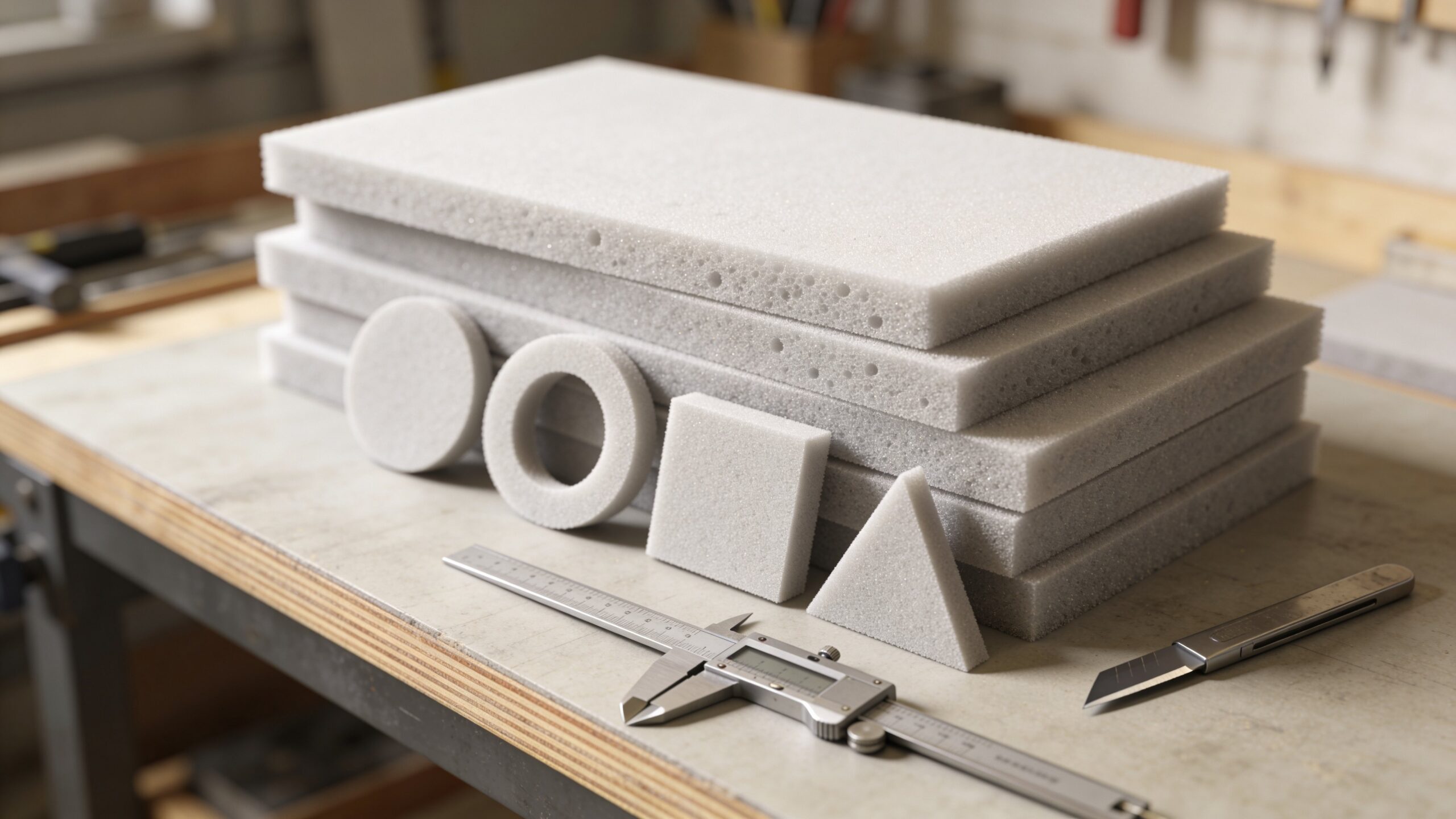
Foam packaging plays a quiet but essential role in modern life. From protecting delicate electronics and medical devices to insulating temperature-sensitive food and pharmaceuticals, foam materials form an invisible shield around countless products as they move through global supply chains. Despite its ubiquity, foam packaging is often misunderstood, viewed simply as disposable filler rather than as a carefully engineered material designed to solve complex logistical challenges. In reality, foam packaging sits at the intersection of material science, transportation engineering, sustainability, and innovation. As industries demand lighter, stronger, and more environmentally responsible packaging solutions, foam packaging continues to evolve. Advances in chemistry, manufacturing, and recycling technologies are reshaping how foam is produced, used, and reused. Understanding what foam packaging is, how it works, and where it is headed provides valuable insight into one of the most influential yet overlooked components of modern commerce.
A: It depends on sleep preference, temperature sensitivity, and responsiveness needs.
A: Modern designs include cooling foams and breathable covers.
A: High-quality foam mattresses can last 8–15 years.
A: Natural latex is renewable and biodegradable.
A: No, they perform best on solid or slatted foundations.
A: Properly designed foam supports spinal alignment.
A: Memory foam excels at motion isolation.
A: Latex feels supportive but buoyant, not hard.
A: Latex mattresses are heavier than memory foam.
A: Yes, rotation helps extend lifespan.
Defining Foam Packaging and Its Core Purpose
Foam packaging refers to a broad category of materials made by trapping gas bubbles within a solid or semi-solid matrix, typically a polymer. This cellular structure creates a lightweight material capable of absorbing shock, cushioning impacts, insulating against temperature changes, and resisting moisture. Unlike rigid packaging materials such as wood or metal, foam is designed to deform under stress and then either recover its shape or dissipate energy to protect the item inside.
The primary purpose of foam packaging is protection. During shipping and handling, products experience drops, vibrations, compression, and temperature fluctuations. Foam acts as a buffer between the product and these external forces, reducing the risk of damage while minimizing added weight. This balance of protection and efficiency is what makes foam packaging indispensable across industries ranging from electronics and healthcare to automotive manufacturing and food distribution.
The Science Behind Foam Cushioning and Impact Protection
At the heart of foam packaging’s effectiveness lies its cellular structure. Each foam material contains millions of tiny pockets of air or gas, distributed evenly throughout the solid matrix. When force is applied, these cells compress, slowing down the transfer of energy. Instead of a sudden impact reaching the product, the force is spread over time and across a larger area.
Different foam densities and cell structures are engineered for specific applications. Low-density foams compress easily and are ideal for lightweight or fragile items, while high-density foams provide greater resistance for heavier loads. Closed-cell foams trap gas within sealed cells, offering superior moisture resistance and thermal insulation, whereas open-cell foams allow air movement, providing softer cushioning and breathability. This ability to fine-tune performance makes foam packaging far more sophisticated than it appears. Engineers can design foam inserts that cradle products with millimeter-level precision, ensuring consistent protection even in demanding shipping environments.
Common Types of Foam Used in Packaging
Several foam materials dominate the packaging industry, each chosen for its unique balance of cost, performance, and environmental considerations. Expanded polystyrene, commonly known as EPS, is one of the most recognizable forms of foam packaging. Lightweight and rigid, EPS is widely used for protective corners, molded inserts, and insulated containers.
Polyethylene foam is another widely used option, valued for its flexibility, durability, and resistance to moisture and chemicals. It is commonly found in electronics packaging, medical device transport, and reusable shipping systems. Polyurethane foam, known for its versatility, is often used in custom-cut packaging solutions that require precise cushioning for irregularly shaped products.
Newer materials, including bio-based and compostable foams, are also entering the market as sustainability concerns drive innovation. These materials aim to replicate the protective properties of traditional foams while reducing reliance on fossil fuels and improving end-of-life options.
Foam Packaging in Modern Supply Chains
The rise of e-commerce has dramatically increased the demand for reliable packaging solutions. Products now travel longer distances and pass through more handling points than ever before. Foam packaging plays a critical role in reducing damage rates, protecting brand reputation, and minimizing costly returns.
In industrial supply chains, foam packaging supports just-in-time manufacturing by ensuring components arrive undamaged and ready for assembly. In healthcare, foam packaging helps maintain sterility and temperature control for sensitive medical devices and pharmaceuticals. In food distribution, insulated foam containers preserve freshness during transport, particularly for frozen or perishable goods. By reducing product loss and extending shelf life, foam packaging contributes to overall resource efficiency. Fewer damaged goods mean fewer replacements, lower emissions from manufacturing, and reduced waste throughout the supply chain.
Sustainability Challenges Facing Foam Packaging
Despite its functional advantages, foam packaging has faced increasing scrutiny due to environmental concerns. Traditional foam materials are often derived from petroleum and can persist in the environment for decades if improperly disposed of. Lightweight foams can also contribute to litter issues, particularly in marine environments where they break into smaller fragments.
Recycling foam packaging presents additional challenges. Its low density makes transportation inefficient, and contamination from food or adhesives can complicate processing. As a result, many foam products have historically ended up in landfills, fueling public perception that foam packaging is inherently unsustainable. However, this perception overlooks ongoing efforts within the industry to improve material design, expand recycling infrastructure, and reduce environmental impact across the product lifecycle.
Advances in Foam Recycling and Circular Solutions
One of the most significant developments in foam packaging sustainability is the expansion of recycling technologies. Mechanical recycling processes can compact foam into dense blocks, making transportation more efficient and enabling reuse in products such as picture frames, insulation panels, and construction materials.
Chemical recycling methods are also emerging, breaking foam polymers down into their original components for use in new materials. These approaches offer the potential for closed-loop systems in which foam packaging is continuously recycled without significant loss of performance.
In parallel, take-back programs and localized recycling centers are helping improve collection rates. As these systems scale, foam packaging is increasingly being integrated into circular economy models rather than treated as disposable waste.
Bio-Based and Compostable Foam Innovations
Innovation in foam packaging is not limited to recycling. Researchers and manufacturers are developing bio-based foams made from renewable resources such as corn starch, sugarcane, and algae. These materials are designed to mimic the cushioning and insulation properties of traditional foams while reducing reliance on fossil fuels.
Some bio-based foams are engineered to be compostable under industrial conditions, breaking down into natural components at the end of their life cycle. Others focus on biodegradability in specific environments, offering solutions for applications where recovery and recycling are impractical. While bio-based foams are not yet a universal replacement for conventional materials, they represent an important step toward diversifying the material landscape and aligning foam packaging with sustainability goals.
Lightweight Design and Material Reduction
Another key sustainability strategy in foam packaging is lightweighting. By optimizing foam geometry and density, manufacturers can achieve the same level of protection using less material. Advances in computer modeling and testing allow engineers to simulate impacts and stresses, fine-tuning designs before production.
This reduction in material use lowers raw material consumption, decreases transportation emissions, and reduces overall packaging waste. In many cases, well-designed foam packaging can outperform heavier alternatives while using fewer resources. Lightweight design also supports regulatory compliance in regions that impose packaging reduction requirements, helping businesses meet environmental standards without sacrificing performance.
Custom Foam Packaging and Precision Engineering
Customization is one of foam packaging’s greatest strengths. Modern manufacturing techniques, including CNC cutting and molded foam processes, enable the creation of packaging solutions tailored to specific products. Custom foam inserts hold items securely in place, preventing movement and minimizing the need for additional packaging materials.
This precision not only improves protection but also enhances unboxing experiences for consumers. In premium markets such as electronics and luxury goods, well-designed foam packaging communicates quality and care, reinforcing brand value. Custom solutions also reduce waste by eliminating excess filler materials and optimizing package size, further contributing to sustainability and cost efficiency.
Regulatory Pressure and Industry Responsibility
Governments and regulatory bodies around the world are increasingly focused on packaging waste reduction. Foam packaging manufacturers and users are responding by investing in compliance strategies, improving material transparency, and supporting extended producer responsibility programs. These initiatives encourage manufacturers to take greater responsibility for the end-of-life management of their products. By designing foam packaging with recyclability and reuse in mind, the industry can align with evolving regulations while maintaining the benefits that foam provides. Collaboration between manufacturers, recyclers, policymakers, and consumers is essential to ensuring foam packaging remains viable in a more environmentally conscious future.
Foam Packaging and the Future of Sustainable Logistics
As global supply chains become more complex and sustainability expectations rise, foam packaging is likely to remain a critical component of logistics systems. Its unique combination of protection, efficiency, and adaptability makes it difficult to replace entirely with alternative materials.
The future of foam packaging lies in smarter design, responsible material sourcing, and integrated recycling solutions. By embracing innovation and addressing environmental challenges head-on, the industry is redefining what foam packaging can be. Rather than viewing foam as a problem to eliminate, forward-thinking companies are treating it as a material to improve. Through ongoing research and collaboration, foam packaging is evolving from a single-use solution into a more sustainable, circular, and high-performance system.
Conclusion: Rethinking Foam Packaging’s Role
Foam packaging is far more than a disposable convenience. It is a carefully engineered material that protects valuable products, reduces waste through damage prevention, and supports the efficiency of modern commerce. While environmental challenges remain, innovation in recycling, bio-based materials, and lightweight design is reshaping the industry. Understanding what foam packaging is and how it is evolving allows businesses and consumers alike to make more informed decisions. As sustainability becomes a defining priority, foam packaging is proving that performance and responsibility do not have to be mutually exclusive. With continued investment and thoughtful design, foam packaging is poised to remain an essential, and increasingly sustainable, part of the global packaging ecosystem.