
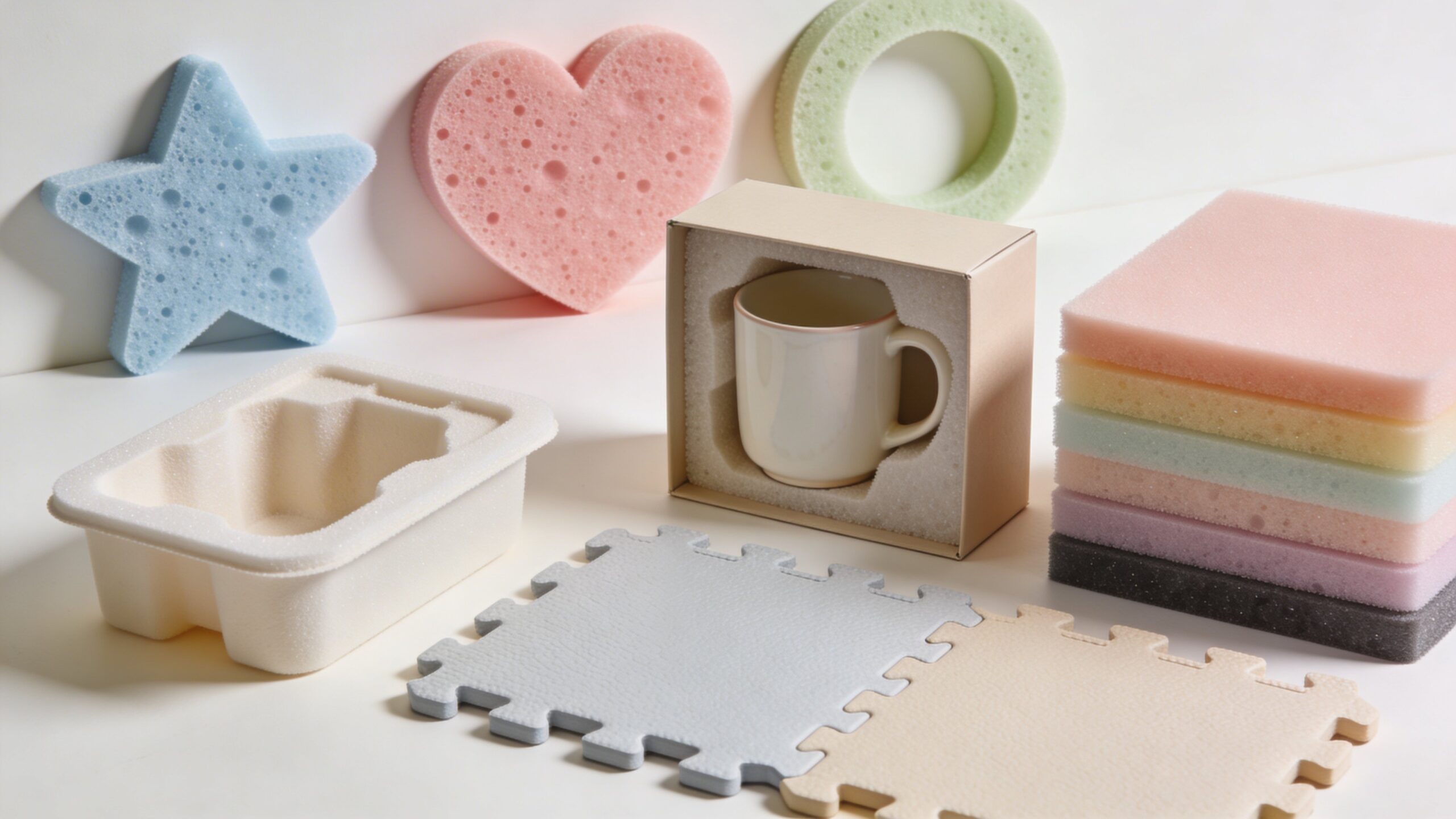
Foam sheet is one of those materials that quietly powers an incredible range of products, projects, and industries. It can be soft or firm, flexible or rigid, thin as craft paper or thick enough to cushion heavy equipment. It can protect, insulate, decorate, pad, seal, support, and transform the way everyday objects function. From packaging and flooring to cosplay, signage, automotive interiors, exercise mats, classroom crafts, and industrial gaskets, foam sheet has become a lightweight material with nearly endless uses. What makes foam sheet so fascinating is its balance of simplicity and versatility. At first glance, it may look like just another flat material, but its performance depends on chemistry, density, thickness, cell structure, and intended purpose. A thin EVA foam sheet used for costumes behaves very differently from a polyethylene foam sheet designed for packaging or a neoprene foam sheet made for insulation and weather resistance. The beauty of foam sheet lies in how easily it adapts. It can be cut, shaped, layered, glued, textured, painted, and customized for projects large and small.
A: Foam sheet is used for crafts, packaging, insulation, flooring, padding, cosplay, seals, case inserts, and many protective or decorative applications.
A: EVA foam sheet is a favorite for crafts because it is flexible, easy to cut, widely available, and comes in many colors and thicknesses.
A: Some foam sheets are highly water-resistant, especially closed-cell types, but performance depends on the specific material and how it is used.
A: Yes, many foam sheets can be painted, especially when sealed or primed properly before finishing.
A: Thin foam sheets usually cut well with scissors, while thicker or denser sheets are easier to cut cleanly with a sharp knife.
A: Closed-cell foam resists water better and tends to be firmer, while open-cell foam is usually softer and more breathable.
A: Certain rigid and specialty foam sheets are excellent for thermal insulation in construction and related applications.
A: Some types, especially EVA foam sheet, respond very well to controlled heat for shaping and contouring.
A: Thin sheets are great for crafts and layering, while thicker sheets are better for cushioning, structure, and protective uses.
A: Foam sheet is lightweight, easy to work with, versatile, affordable, and available in many forms for both creative and practical jobs.
Defining Foam Sheet in Simple Terms
A foam sheet is a flat panel made from a foam material that contains tiny trapped pockets of gas within a solid matrix. Those trapped air cells are what give foam its lightweight structure. Depending on the manufacturing process and material type, the cells may be open or closed. Open-cell foam tends to be softer and more breathable, while closed-cell foam is often more durable, water-resistant, and supportive. Foam sheets are produced in a variety of materials, including EVA, polyethylene, polyurethane, neoprene, polystyrene, and other specialty foams. Each material offers different strengths. Some are ideal for shock absorption. Others excel at thermal insulation, moisture resistance, flexibility, or smooth surface finishing. That is why foam sheet can appear in both playful creative spaces and highly technical industrial settings. It is equally at home in a school craft bin and inside precision equipment packaging.
Why Foam Sheet Has Become So Popular
One reason foam sheet has become such a popular material is that it solves many problems at once. It is light enough to handle easily, yet strong enough to provide structure and protection. It can reduce weight in a finished product without sacrificing useful performance. That matters in everything from costume building to shipping design. A lighter material often means easier transport, lower cost, and more user comfort.
Another reason is workability. Foam sheet is approachable. Many types can be cut with simple knives or scissors. Others can be heat-shaped, laminated, or carved. This makes foam sheet appealing to beginners, hobbyists, makers, designers, and professionals alike. Few materials are as forgiving while also offering such a wide range of finishes and applications. Whether someone is creating a prop sword, lining a storage case, building a display wall, or crafting a gym pad, foam sheet offers a practical starting point.
Understanding the Different Types of Foam Sheet
Not all foam sheets are the same, and understanding the differences is the key to choosing the right one. EVA foam sheet is one of the most recognizable varieties. It is flexible, smooth, easy to cut, and popular for costumes, mats, sports padding, and educational crafts. It can also be heat-formed, which makes it especially useful for projects that need curves, contours, or wearable shapes.
Polyethylene foam sheet is another common option. It is lightweight, resilient, and often used in packaging, case inserts, protective padding, and construction-related applications. It tends to resist moisture well and offers good shock absorption. Because of its closed-cell nature, it can handle demanding environments better than softer, more absorbent foams. Polyurethane foam sheet is often softer and more compressible. It is frequently found in cushioning, upholstery, sound absorption, and comfort-based uses. Neoprene foam sheet brings a different skill set, including resistance to water, weather, and temperature changes, making it valuable in sealing, insulation, and outdoor or mechanical settings. Meanwhile, rigid foam sheets such as polystyrene serve purposes that call for lightweight structure or insulation rather than flexibility.
The Importance of Cell Structure
The cell structure of foam sheet has a major impact on how it performs. Closed-cell foam contains sealed pockets, which helps the sheet resist water absorption and maintain shape. This makes it ideal for padding, outdoor applications, flotation, and protective packaging. Closed-cell materials also tend to be more durable and supportive, especially when repeated use or environmental exposure is expected.
Open-cell foam, by contrast, has interconnected air pockets. This allows air and sometimes moisture to move more freely through the material. Open-cell foam often feels softer and more breathable, which can be useful in comfort-driven products. It can also be effective for sound dampening. However, it is generally less water-resistant and may need more care depending on the environment. For buyers and makers, understanding whether a foam sheet is open-cell or closed-cell is often one of the biggest factors in getting the right result.
Foam Sheet in Crafts, Design, and Creative Projects
Foam sheet has earned a special place in the creative world because it combines affordability with visual potential. In crafting, it can be cut into shapes, layered for dimension, embossed with texture, painted in bright colors, and used for everything from children’s projects to professional displays. Teachers and parents appreciate how accessible foam sheets are for hands-on learning, while artists value their ability to become something much larger than they first appear.
In cosplay and prop making, foam sheet is almost legendary. EVA foam in particular has become a go-to material for armor, helmets, creature details, and stage accessories. It can be cut precisely, heat-shaped into smooth curves, joined with adhesive, sealed, and painted to mimic metal, leather, stone, or futuristic surfaces. That transformation is one of foam sheet’s most exciting qualities. A flat, lightweight panel can become a polished costume piece that looks dramatic but remains comfortable enough to wear for long periods.
A Major Player in Packaging and Protection
Outside creative fields, foam sheet is also a workhorse in packaging and shipping. Fragile items often need a protective layer that absorbs impacts without adding too much weight. Foam sheets excel in that role. They can line boxes, wrap products, cushion electronics, separate delicate surfaces, and hold components securely in place. Because foam sheet comes in different densities and thicknesses, packaging designers can tailor protection to the specific product. A lightweight decorative item may only need a thin buffer layer, while sensitive instruments or precision equipment may require custom-cut inserts. Foam sheet helps reduce damage during transport, and in many settings, it improves presentation too. A neatly fitted foam insert can make a product feel premium, organized, and secure before it is even used.
Foam Sheet in Construction and Insulation
Foam sheet is not limited to decorative or soft-use applications. It also plays an important role in construction and insulation. Certain rigid or semi-rigid foam sheets are used to help control temperature, reduce energy loss, and improve comfort within buildings. These sheets can act as thermal barriers in walls, roofs, and floors, making them valuable in both residential and commercial projects.
In addition to insulation, foam sheets may be used for expansion joints, underlayment, sound reduction, sealing, and protective layering between materials. Because they are light and easy to transport, they simplify installation in many settings. Their performance can contribute to quieter rooms, warmer interiors, and more efficient buildings. This shows just how broad the term foam sheet really is. It is not a niche craft material alone. It is also part of serious infrastructure and product engineering.
Fitness, Flooring, and Everyday Comfort
Walk into a gym, playroom, workshop, or home exercise space, and you are likely to find foam sheet in action. Interlocking floor tiles, yoga supports, kneeling pads, and protective underlayers often rely on foam sheet technology. These products are designed to cushion impact, reduce fatigue, and improve comfort underfoot or under pressure.
The same qualities that make foam sheet useful for flooring also make it valuable for personal comfort. It can appear in insoles, padding inserts, seat cushions, protective gear, and ergonomic support products. A good foam sheet distributes pressure, absorbs shock, and creates a softer interface between the body and harder surfaces. That simple improvement can make long tasks, exercise routines, and everyday movement more comfortable and practical.
What to Consider When Choosing a Foam Sheet
Choosing the right foam sheet starts with asking the right questions. Is the material meant to bend or stay firm? Will it be exposed to water, heat, or sunlight? Does it need to absorb impact, provide insulation, or simply create decorative dimension? Thickness, density, cell structure, and material type all shape the answer. Surface finish matters too. Some foam sheets have a smooth skin that is ideal for paint and display work. Others are more textured or industrial. Color may matter for crafts and visible applications, while chemical resistance may matter more in technical settings. The best choice is not always the thickest or most expensive. It is the one whose properties match the job. That is where foam sheet really shines, because there is usually an option designed for the exact balance of weight, flexibility, strength, and finish a project requires.
Working With Foam Sheet Successfully
Foam sheet is often beginner-friendly, but working with it well still takes a little strategy. Clean cuts matter, especially when the final result is meant to look polished. Sharp blades, measured layout lines, and controlled pressure make a noticeable difference. For thicker sheets, multiple passes often work better than trying to force a deep cut all at once. When shaping flexible foams, heat can help unlock smooth curves and a more professional finish.
Adhesives should be chosen carefully. Some glues bond beautifully with foam, while others may fail or even damage certain materials. Painting also requires preparation. Some foam sheets need sealing or priming before they can take paint evenly. With the right workflow, though, foam sheet can deliver impressive results. It welcomes experimentation while still rewarding attention to detail.
Advantages That Keep Foam Sheet in Demand
The biggest advantage of foam sheet is how much performance it offers for so little weight. It can solve design challenges without making products bulky or hard to handle. It is often cost-effective, widely available, easy to customize, and useful across countless industries. Few materials can move as fluidly between classrooms, workshops, warehouses, gyms, conventions, studios, and building sites.
Foam sheet also encourages creativity. It does not intimidate the way some materials do. You do not always need specialized machinery to get started. That low barrier to entry makes it attractive for learning, prototyping, and rapid experimentation. At the same time, its professional uses prove that it is far more than a beginner material. Foam sheet can be simple, but it is never limited.
Challenges and Limitations to Keep in Mind
As versatile as foam sheet is, it does have limitations. Some foams dent more easily than others. Some degrade under prolonged UV exposure. Some are sensitive to solvents or extreme heat. Others may need sealing, coating, or reinforcement if they are expected to hold up outdoors or under heavy wear. These are not reasons to avoid foam sheet, but they are reminders that selection matters.
Durability can also vary widely. A soft craft foam sheet and a dense industrial closed-cell foam sheet are not comparable in performance, even if both are technically foam sheets. This is why understanding the application is so important. A material that works beautifully for a costume accent may not survive as packaging for heavy equipment, and a foam chosen for insulation may be completely wrong for decorative shaping. The more specific the goal, the easier it becomes to choose well.
Endless Uses, One Remarkably Adaptable Material
Foam sheet stands out because it fits so many needs without losing its identity. It remains lightweight, adaptable, and efficient whether it is used for art, protection, comfort, insulation, or design. It can be playful in one project and highly practical in the next. It can disappear inside a package or take center stage in a costume, product display, or construction system. That is what makes foam sheet such a compelling material. It bridges the gap between creativity and function. It helps beginners start building and gives professionals a reliable way to reduce weight, increase comfort, protect surfaces, and shape ideas into physical form. In a world that values smart materials and flexible solutions, foam sheet continues to prove that something light can still be incredibly powerful. For endless uses across everyday life and specialized work, foam sheet has earned its place as one of the most versatile materials around.


