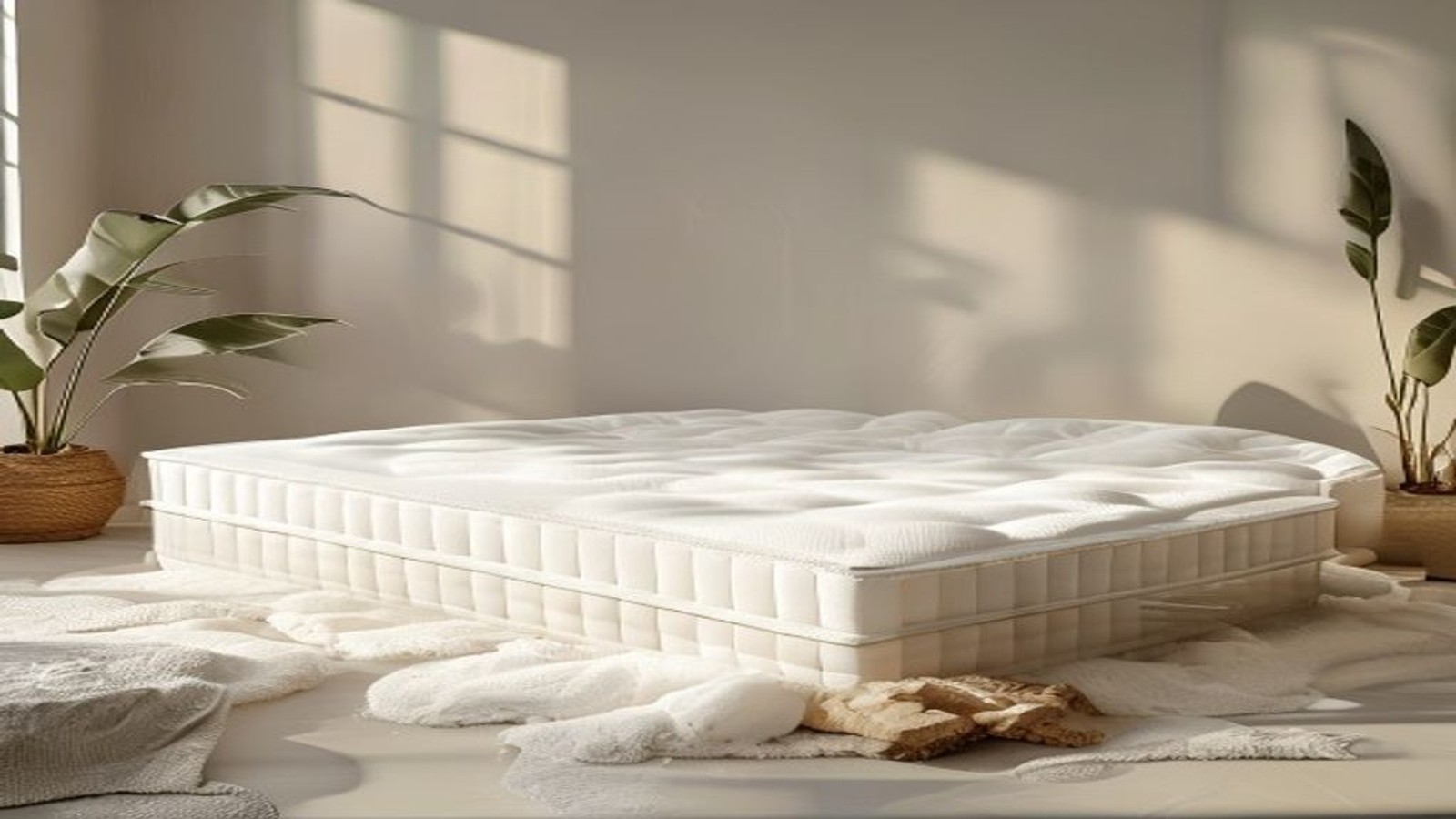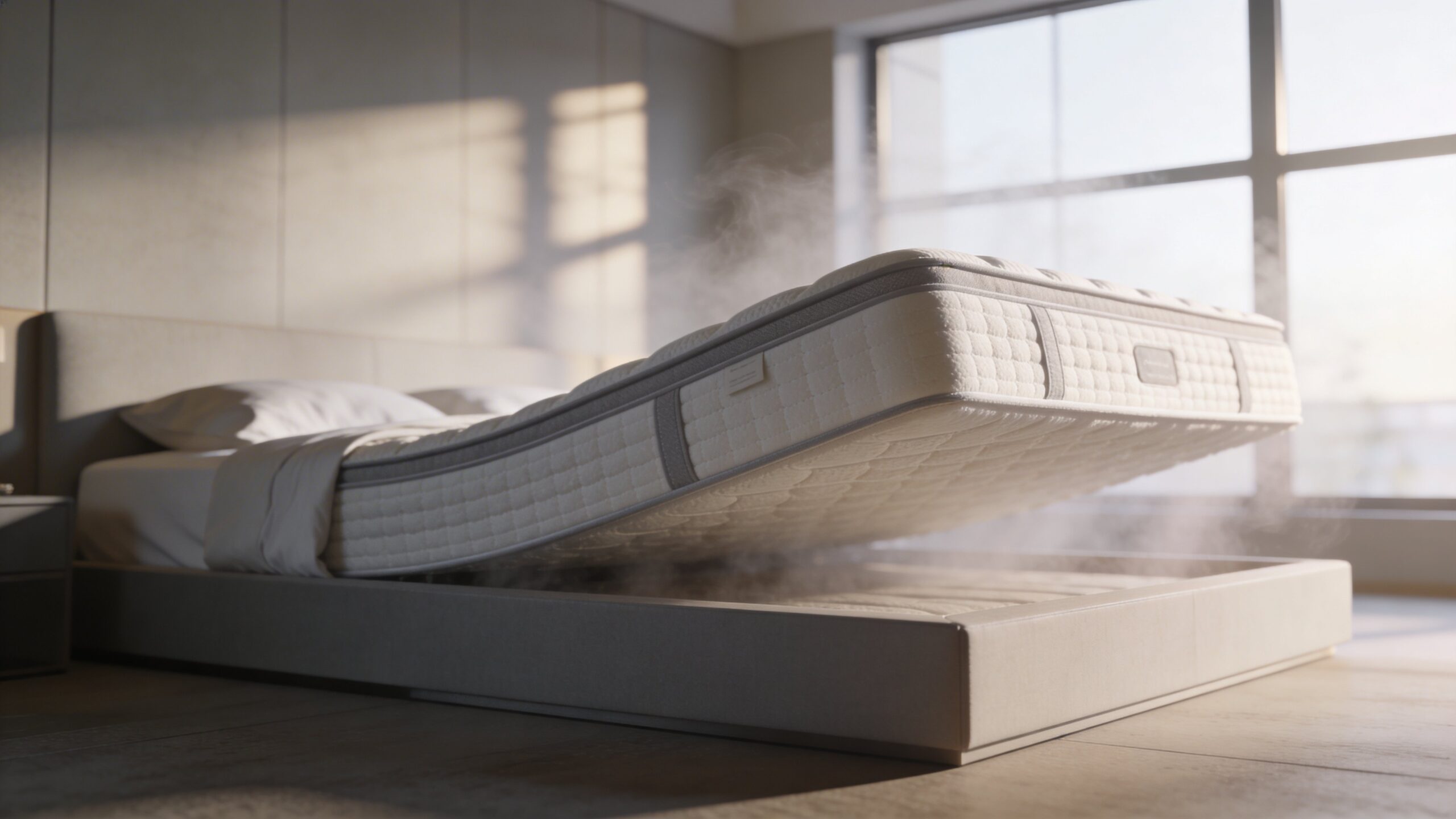
Foam mattresses have transformed modern sleep with their contouring comfort, motion isolation, and pressure relief. Yet beneath their plush surface lies a topic that has sparked widespread curiosity and concern: off-gassing. For many shoppers, the first encounter with a new foam mattress includes a noticeable odor, often described as “chemical” or “new product smell.” This phenomenon, known as foam mattress off-gassing, raises important questions about safety, air quality, and long-term health. Understanding what off-gassing is, why it happens, and how it impacts your indoor environment is essential for making informed decisions. This guide explores the science, the risks, and the practical steps you can take to ensure a safe and comfortable sleep experience.
A: Usually not, especially with certified mattresses.
A: Typically 1–3 days for noticeable odor.
A: Yes, but airing it out first is recommended.
A: Most foam mattresses do to some degree.
A: Ventilation and air circulation.
A: Often lower in VOC emissions.
A: Yes, they may be more sensitive.
A: Not necessarily.
A: Yes, it helps reduce VOC levels.
A: No, it typically fades permanently.
Understanding Off-Gassing: What It Really Means
Off-gassing refers to the release of volatile organic compounds (VOCs) into the air from materials such as foam, adhesives, and fabrics. In the context of mattresses, these compounds are emitted as a byproduct of manufacturing processes, particularly in polyurethane and memory foam products. When you unbox a new mattress, the compressed foam begins to expand, and trapped gases escape into the surrounding air. This release is most noticeable within the first few hours or days, when the odor is strongest. While the smell can be unpleasant, it is not always indicative of harmful exposure levels. The key factor is the concentration and type of VOCs released. Some compounds dissipate quickly and pose minimal risk, while others may linger longer depending on ventilation and material quality.
What Causes Foam Mattress Off-Gassing?
Foam mattresses are made using a combination of petrochemical-based ingredients, catalysts, and blowing agents. During production, these components react to create the foam’s structure, trapping small amounts of residual chemicals within the material.Over time, these residual compounds gradually escape into the air. The process is accelerated when the mattress is unpacked and exposed to open air, which is why off-gassing is most noticeable immediately after setup.
Different types of foam vary in their off-gassing intensity. Traditional polyurethane foam tends to release more noticeable odors, while newer formulations—such as plant-based foams or certified low-VOC materials—are designed to minimize emissions.
The Role of VOCs in Indoor Air Quality
Volatile organic compounds are a broad category of chemicals that easily evaporate at room temperature. They are found in many household items, including paints, cleaning products, and furniture. In the case of mattresses, common VOCs may include formaldehyde, benzene derivatives, and other organic solvents. While the levels released by most modern mattresses are generally low, they can still contribute to indoor air pollution, especially in poorly ventilated spaces.
For sensitive individuals, even low levels of VOC exposure can cause temporary symptoms such as headaches, dizziness, or irritation of the eyes and throat. This makes it important to consider both the mattress itself and the environment in which it is used.
Is Foam Mattress Off-Gassing Dangerous?
For the majority of people, foam mattress off-gassing is not considered a serious health risk. Most reputable manufacturers adhere to strict safety standards that limit the amount of harmful chemicals in their products. Certifications such as CertiPUR-US and OEKO-TEX Standard 100 indicate that a mattress has been tested for low emissions and absence of harmful substances. These certifications provide reassurance that the product meets established safety guidelines.
However, certain individuals may be more vulnerable to the effects of off-gassing. People with asthma, allergies, or chemical sensitivities may experience discomfort even at low exposure levels. Infants and young children, whose respiratory systems are still developing, may also be more sensitive.
Common Symptoms Linked to Off-Gassing
While most off-gassing effects are mild and temporary, some individuals may notice physical reactions during the initial exposure period. These symptoms typically subside as the mattress airs out and VOC levels decrease. Headaches are among the most commonly reported symptoms, often accompanied by a feeling of lightheadedness. Some people may experience irritation in the eyes, nose, or throat, particularly if the room lacks proper ventilation. In more sensitive cases, respiratory discomfort or mild nausea may occur. These reactions are generally short-lived and resolve once the source of exposure is reduced.
How Long Does Off-Gassing Last?
The duration of off-gassing varies depending on the type of foam, manufacturing quality, and environmental conditions. In most cases, the strongest odor dissipates within 24 to 72 hours after unboxing. However, trace emissions may continue for several days or even weeks, though at much lower levels that are typically not noticeable. Proper ventilation can significantly accelerate this process, helping to clear the air more quickly. Temperature and humidity also play a role. Warmer environments may increase the rate of off-gassing, while cooler conditions can slow it down. Understanding these factors allows you to manage the process more effectively.
Types of Foam and Their Off-Gassing Profiles
Not all foam mattresses are created equal when it comes to off-gassing. Traditional memory foam, made from petroleum-based polyurethane, tends to produce the most noticeable odor. This is largely due to the chemicals used in its production. Gel-infused memory foam, designed to improve cooling, may have slightly reduced emissions but still shares similar characteristics. Latex foam, particularly natural latex, is often considered a lower-emission option, with a more subtle, rubber-like scent. Hybrid mattresses, which combine foam with innerspring systems, may exhibit less intense off-gassing due to the reduced volume of foam. Choosing the right material can make a significant difference in your overall experience.
Certifications That Indicate Safer Choices
When shopping for a foam mattress, certifications can serve as a valuable guide. CertiPUR-US certification ensures that the foam is made without ozone-depleting substances, heavy metals, or certain harmful flame retardants.
OEKO-TEX Standard 100 goes further by testing the entire product for harmful substances, including fabrics and finishes. GREENGUARD certification focuses on indoor air quality, verifying that the product meets low chemical emission standards. These certifications are not just marketing labels—they represent independent testing and verification. Choosing a certified mattress can help reduce concerns about off-gassing and overall safety.
How to Reduce Off-Gassing Exposure
There are several practical steps you can take to minimize exposure to off-gassing. The most effective approach is to allow the mattress to air out in a well-ventilated space before use. Opening windows and using fans can help disperse VOCs more quickly.
If possible, unbox the mattress in a spare room or garage rather than your primary sleeping area. This allows the initial burst of emissions to dissipate without affecting your bedroom environment. Using an air purifier with a HEPA and activated carbon filter can further improve air quality by capturing airborne particles and absorbing chemical odors.
The Importance of Ventilation
Ventilation plays a critical role in managing off-gassing. Fresh air circulation helps dilute and remove VOCs, reducing their concentration in your indoor environment. Even after the initial airing period, maintaining good ventilation in your bedroom can contribute to better overall air quality. This is particularly important in modern homes, which are often tightly sealed for energy efficiency.
Simple habits, such as opening windows regularly or using exhaust fans, can make a noticeable difference in how quickly odors fade and how comfortable your space feels.
Are “Green” or Organic Mattresses Better?
Eco-friendly mattresses often use alternative materials and manufacturing processes designed to reduce chemical emissions. Plant-based foams, natural latex, and organic fabrics are commonly marketed as safer options. While these products may have lower VOC levels, it is important to evaluate them critically. Not all “green” claims are equal, and certifications remain the most reliable indicator of safety. That said, many consumers find that eco-conscious mattresses have milder odors and shorter off-gassing periods, making them an appealing choice for those with sensitivities.
Off-Gassing vs. Long-Term Exposure
One of the most common concerns is whether off-gassing poses long-term health risks. Current research suggests that the majority of VOC emissions occur within the first few days of use, with levels decreasing significantly over time. Long-term exposure from a mattress is generally minimal, especially when compared to other sources of indoor air pollution. However, cumulative exposure from multiple household items can contribute to overall air quality concerns. This highlights the importance of a holistic approach—choosing low-emission products, maintaining ventilation, and being mindful of your indoor environment as a whole.
Myths and Misconceptions About Off-Gassing
There are many misconceptions surrounding foam mattress off-gassing. One common myth is that a strong odor automatically means the product is toxic. In reality, odor intensity does not always correlate with harmful exposure levels. Another misconception is that all foam mattresses are unsafe. Advances in manufacturing and stricter regulations have significantly improved product safety, making modern mattresses far safer than older models.
Understanding the facts helps separate genuine concerns from unnecessary fear, allowing you to make decisions based on evidence rather than assumptions.
Making a Smart, Safe Mattress Choice
Choosing a foam mattress involves balancing comfort, performance, and safety. Paying attention to certifications, material types, and manufacturer transparency can guide you toward a better decision. Reading product specifications and reviews can also provide insight into real-world experiences with off-gassing. Look for consistent feedback about odor levels and how quickly they dissipate.
Ultimately, the goal is to select a mattress that aligns with your needs while minimizing potential concerns. With the right information, you can approach the process with confidence.
Final Thoughts on Foam Mattress Off-Gassing
Foam mattress off-gassing is a natural and largely temporary process that reflects the chemistry behind modern sleep technology. While the initial odor can be surprising, it is rarely a cause for alarm when dealing with certified, high-quality products. By understanding the factors that influence off-gassing and taking simple steps to manage it, you can create a healthier and more comfortable sleep environment. Awareness, rather than avoidance, is the key to navigating this aspect of mattress ownership.