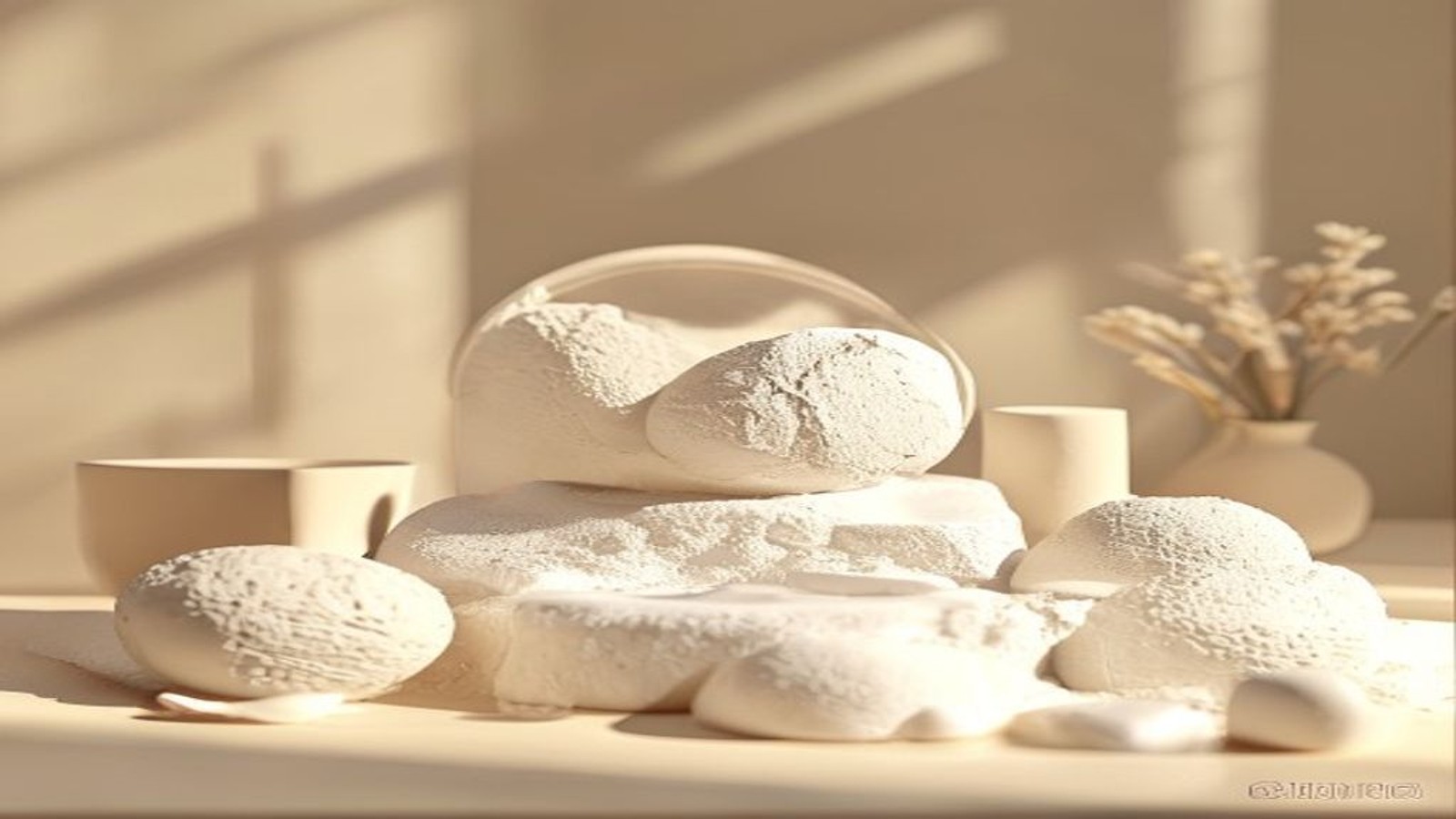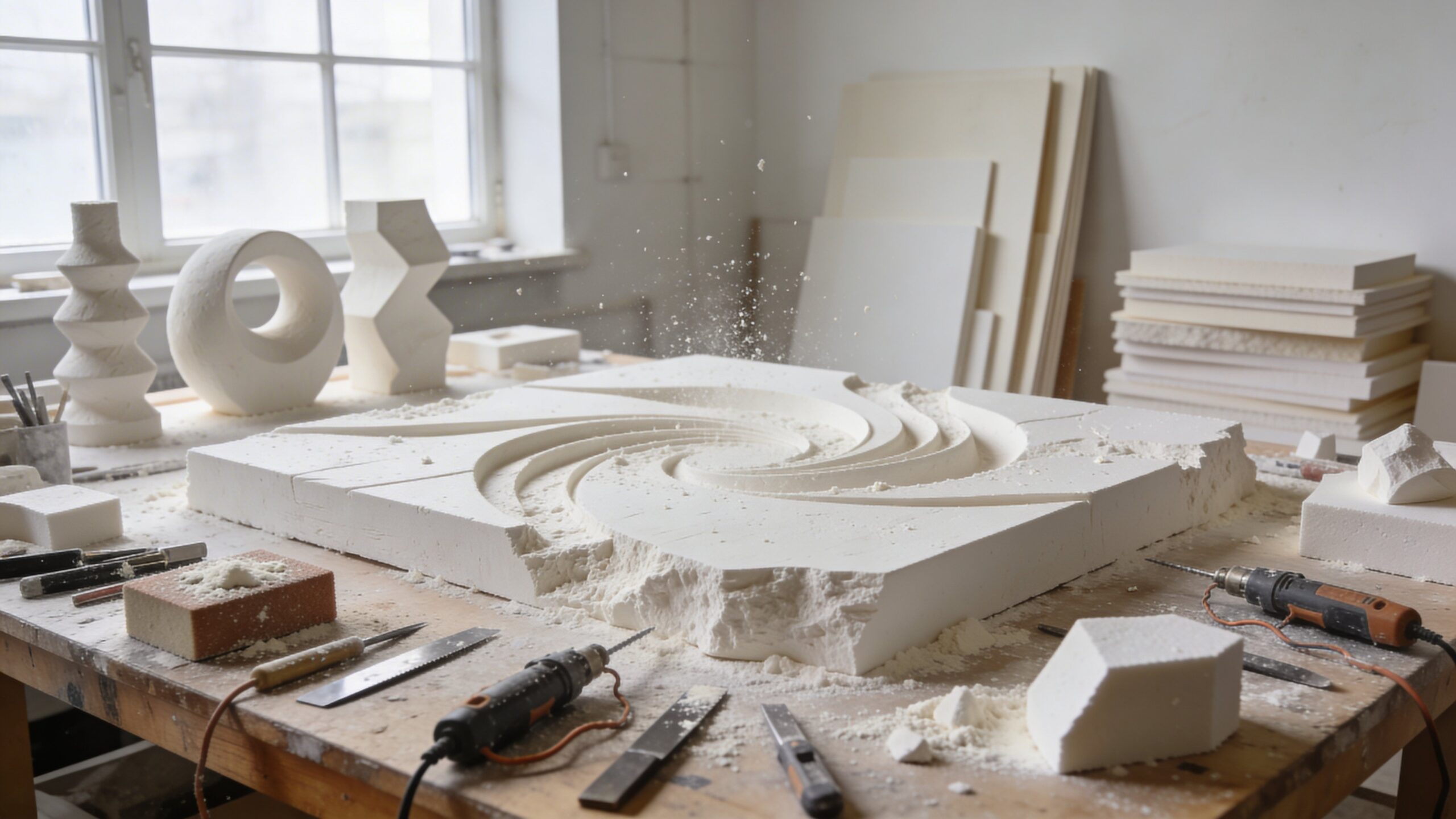
Foam sculpting is one of the most exciting artistic mediums for creators who want freedom, speed, scale, and imagination all in one process. It takes a material that is often lightweight, affordable, and easy to shape, then turns it into costumes, props, parade pieces, theater scenery, gallery installations, architectural mockups, event décor, and striking one-of-a-kind art. For beginners, foam sculpting offers an approachable way to start building three-dimensional forms without the cost or physical difficulty of stone, wood, or metal. For experienced artists, it opens the door to large-scale creations, detailed textures, dramatic finishes, and highly efficient production methods. What makes foam sculpting so fascinating is its range. A first-time artist can cut a simple shape with a craft knife and paint it into something visually impressive. At the same time, an expert can engineer layered structures, carve intricate textures, use advanced coatings, and create museum-worthy or stage-ready pieces that look like carved stone, forged metal, weathered wood, bone, leather, or even polished architectural surfaces. Foam can be playful, practical, professional, and deeply artistic all at once.
A: XPS is excellent for clean carving, while EVA is a smart choice for wearable and flexible projects.
A: Yes, with good shaping, sealing, and painting, foam can look incredibly polished and realistic.
A: Water-based acrylics are usually the safest starting point, especially for solvent-sensitive foams.
A: No, many beginners start successfully with a knife, glue, sandpaper, ruler, and a few finishing products.
A: Use sealers, hard coats, embedded supports, layered construction, or reinforced shells depending on the project.
A: Absolutely, especially EVA foam, which is widely used for armor, accessories, masks, and costume detailing.
A: Yes, but it usually needs protective coatings and weather-resistant paint systems for longer life.
A: Add filler, glue in a patch, sand the area smooth, and repaint after resealing the surface.
A: Yes, many artists combine rigid and flexible foams to balance structure, comfort, and detail.
A: Repetition, observation, patience, and learning how shape, texture, coatings, and paint work together.
What Foam Sculpting Really Means
At its core, foam sculpting is the art of shaping foam into decorative, functional, or expressive three-dimensional forms. Unlike traditional sculpting materials that often demand heavy tools or long curing times, foam allows artists to move quickly from concept to shape. It can be cut, sanded, carved, layered, heated, engraved, sealed, coated, and painted into an astonishing variety of finished looks. The term covers many different methods and materials. Expanded polystyrene, extruded polystyrene, EVA foam, polyurethane foam, and polyethylene foam each behave differently and suit different styles of work. Some are best for large forms and lightweight volume. Others are ideal for wearable pieces, fine edges, or flexible details. The sculptor’s job is not just to shape the material, but to understand how each type of foam responds to blades, heat, adhesive, coatings, and paint. This combination of technical knowledge and artistic intuition is what makes foam sculpting such a rewarding skill. It is not simply about cutting shapes. It is about controlling form, texture, finish, durability, and illusion.
Why Artists Love Working With Foam
One of the biggest reasons artists are drawn to foam sculpting is the balance between creative control and accessibility. Foam is usually far lighter than wood, plaster, clay, or metal, which makes it easier to move, install, hang, transport, or wear. That matters for costumes, event displays, scenic elements, and public art where scale can become a challenge with heavier materials.
Foam also encourages experimentation. A creator can test a shape, trim it down, glue on another layer, reshape it again, and continue refining without feeling locked into one path. That freedom is powerful. It invites play, iteration, and bold ideas. Many artists discover that foam helps them work more intuitively because the material responds so quickly to their decisions. Another major advantage is illusion. Foam can convincingly imitate other materials when sealed and painted well. A carved foam wall can look like stone. A lightweight costume can appear metallic. A theatrical pillar can resemble carved timber. This ability to transform a humble material into something visually dramatic is one of the medium’s greatest strengths.
Types of Foam Used in Sculpting
Not all foam is the same, and choosing the right one changes everything. Expanded polystyrene, often called EPS, is a common option for large props, signs, and lightweight sculptures. It is easy to shape and widely available, but its bead-like texture can make fine finishing more challenging unless sealed carefully. Extruded polystyrene, or XPS, is often favored for cleaner carving and smoother surfaces. Its denser structure makes it excellent for detail work, terrain builds, architectural forms, and faux stone or wood effects. Many beginners appreciate how predictably it cuts and sands.
EVA foam is especially popular in cosplay, costume design, and flexible sculptural elements. It comes in sheets, responds well to heat forming, and can create curves, armor shapes, decorative trim, and wearable pieces. It is different from rigid block foam, but it is absolutely part of the foam sculpting world. Polyurethane foam can be found in rigid boards or expanding formulas, and it is useful in specialty builds where custom shapes or fills are needed. Polyethylene and EPP foams are also valuable for certain applications, especially when flexibility, resilience, or impact resistance matters. The best artists learn not to ask which foam is best overall, but which foam is best for a specific artistic goal.
Getting Started as a Beginner
Beginners often make the mistake of imagining that foam sculpting requires a large workshop and expensive equipment. In reality, many strong first projects can begin with a simple setup: a cutting surface, a sharp knife, sandpaper, foam-safe glue, a ruler, a pencil, and a vision. Starting small is one of the smartest ways to learn. Simple masks, decorative panels, letters, props, or carved shapes can teach core lessons about cutting, shaping, layering, and finishing. The most important beginner skill is learning to see the final form inside the raw foam. Instead of approaching the material randomly, a new sculptor should think in stages. First comes planning. Then rough shaping. Then refining. Then surface finishing. Then painting. Breaking the work into these phases builds confidence and prevents many common frustrations.
Patience also matters. Foam may be easy to cut, but clean results come from controlled shaping and repeated refinement. New artists who rush often overcut, tear edges, or use incompatible products that damage the surface. Those who slow down and learn the material’s behavior improve much faster.
Essential Foam Sculpting Techniques
The foundation of foam sculpting lies in a handful of essential techniques that every artist should understand. Cutting is the first. Straight cuts define the rough silhouette. Angled cuts create bevels and transitions. Layered cuts help build thickness and structure. Whether using a utility knife, hot wire, craft blade, or saw, clean cutting habits set the tone for the entire project. Shaping comes next. This is where rough blocks begin turning into curves, planes, contours, and expressive forms. Rasps, sanding blocks, rotary tools, and specialty carving tools can all help refine the sculpture. At this stage, the artist is not chasing perfection yet. The goal is to establish the major form and proportion.
Detail carving is where personality enters the piece. Lines, texture, cracks, patterns, seams, wood grain, stone surfaces, decorative motifs, and surface storytelling all happen here. Artists often discover that great detail work is less about aggression and more about subtle control. A light pass can be more effective than a deep cut. Sealing is another crucial technique. Raw foam often needs a barrier before painting, especially if the foam is sensitive to solvents or has a porous surface. Primers, glue layers, gesso, flexible coatings, or harder protective shells can all be part of the finishing process. Once sealed, the sculpture becomes a surface ready for illusion.
From Rough Block to Finished Artwork
Every successful foam sculpture follows a creative journey. It begins with an idea, but it becomes real through structure. Most artists start by gathering references, sketching concepts, or building templates. Symmetry lines, dimensions, and scale planning are especially useful for costumes, masks, creature builds, and architectural forms. The rough build stage is often about volume. Large shapes are blocked in first. Layers may be laminated together. Basic silhouettes are cut. At this point the sculpture may still look awkward, but that is normal. Foam work often appears crude before it suddenly comes together through refinement.
Once the main mass is established, the artist begins sculpting transitions and details. This is the stage where proportions are corrected, edges are sharpened or softened, and the design begins to gain realism or style. It is also where problem-solving becomes creative. A seam can be hidden as a design line. A repair can become texture. A limitation can inspire a new direction. Finally comes finishing. Sealing, priming, sanding, repainting, glazing, weathering, and topcoating give the piece its final identity. A sculpture can shift from obviously foam-like to convincingly transformed through these stages. This is where the artist’s eye for materials, color, and texture becomes just as important as carving skill.
Beginner Mistakes and How to Avoid Them
Many early mistakes in foam sculpting are completely normal, and most are easy to fix with experience. One common issue is using the wrong glue or paint. Certain solvents can melt or damage some foams, especially polystyrene. Water-based products are often the safest place to begin. Another mistake is trying to finish too early. Some beginners jump into painting before they have truly refined the shape. But paint cannot hide weak form. The sculpture should look strong before color is added. Good structure always improves the final finish.
Overworking the material is another challenge. Foam can be forgiving, but repeated rough handling can create dents, gouges, and uneven surfaces. Sharp tools, light pressure, and gradual shaping usually produce better results than forcing the material. Perhaps the biggest mistake is expecting a perfect result on the first project. Foam sculpting is a learned visual language. Each project teaches how to see form more clearly, handle surfaces more effectively, and choose better methods. Progress builds quickly when artists stay curious and keep making.
Advanced Foam Sculpting for Expert-Level Results
As artists advance, foam sculpting becomes more than shaping and painting. It becomes design engineering. Larger works may require internal armatures, modular construction, hidden joinery, or reinforced shells. Outdoor pieces may need weather-resistant coatings. Wearable work may need flexible movement zones, hidden closures, or comfort adjustments.Experts also develop a strong relationship with texture and illusion. They know how to carve faux stone that catches dry brushing in believable ways. They understand how to layer metallic paints for a forged effect. They know how to suggest age, damage, weight, or history using nothing more than carved lines, subtle dents, controlled color variation, and finish selection.
Hybrid techniques are also common at advanced levels. A sculptor may combine hand carving with CNC-cut shapes, 3D printed components, or cast elements. They may use foam for volume, resin for durability, fabric for skin, and paint effects for realism. At this level, foam is not just a material. It becomes part of a larger creative system. The best expert foam artists never lose the beginner’s sense of experimentation. They simply pair it with stronger technical control.
Where Foam Sculpting Shows Up in the Real World
Foam sculpting has a much bigger presence in the creative world than many people realize. It appears in theater scenery, haunted attractions, theme installations, trade show displays, cosplay competitions, event environments, retail design, film props, school productions, parade floats, art exhibitions, museum interactives, and architectural prototypes. Its popularity comes from a powerful combination of visual impact and practicality. It lets teams build large forms without impossible weight. It allows artists to create immersive environments faster than many traditional materials would permit. It gives performers wearable pieces that look dramatic without becoming unbearable to carry.
For independent artists, foam sculpting is also a business opportunity. Custom props, costumes, decor elements, signage, commissioned sculptures, and event builds can all grow out of strong foam techniques. For hobbyists, it can become a lifelong creative outlet with endless room to explore.
The Artistic Future of Foam Sculpting
Foam sculpting continues to grow because it sits at the intersection of craft, design, performance, fabrication, and imagination. As more artists share tutorials, new products become available, and hybrid digital workflows evolve, the medium keeps expanding. Today’s beginner can learn techniques that once belonged only to scenic shops or professional fabricators. What remains timeless, though, is the creative thrill. Foam sculpting gives artists the chance to turn flat sketches into real objects, ideas into environments, and lightweight material into something that feels dramatic, expressive, and unforgettable. It rewards both spontaneity and discipline. It is welcoming to newcomers yet deep enough to challenge experts for years. For anyone asking what foam sculpting is, the best answer is this: it is an artistic gateway. It is a medium where imagination can become form quickly, where scale becomes possible, and where skill grows visibly from project to project. Whether you are building your first simple prop or your hundredth detailed installation, foam sculpting remains one of the most versatile and exciting ways to create art in three dimensions.