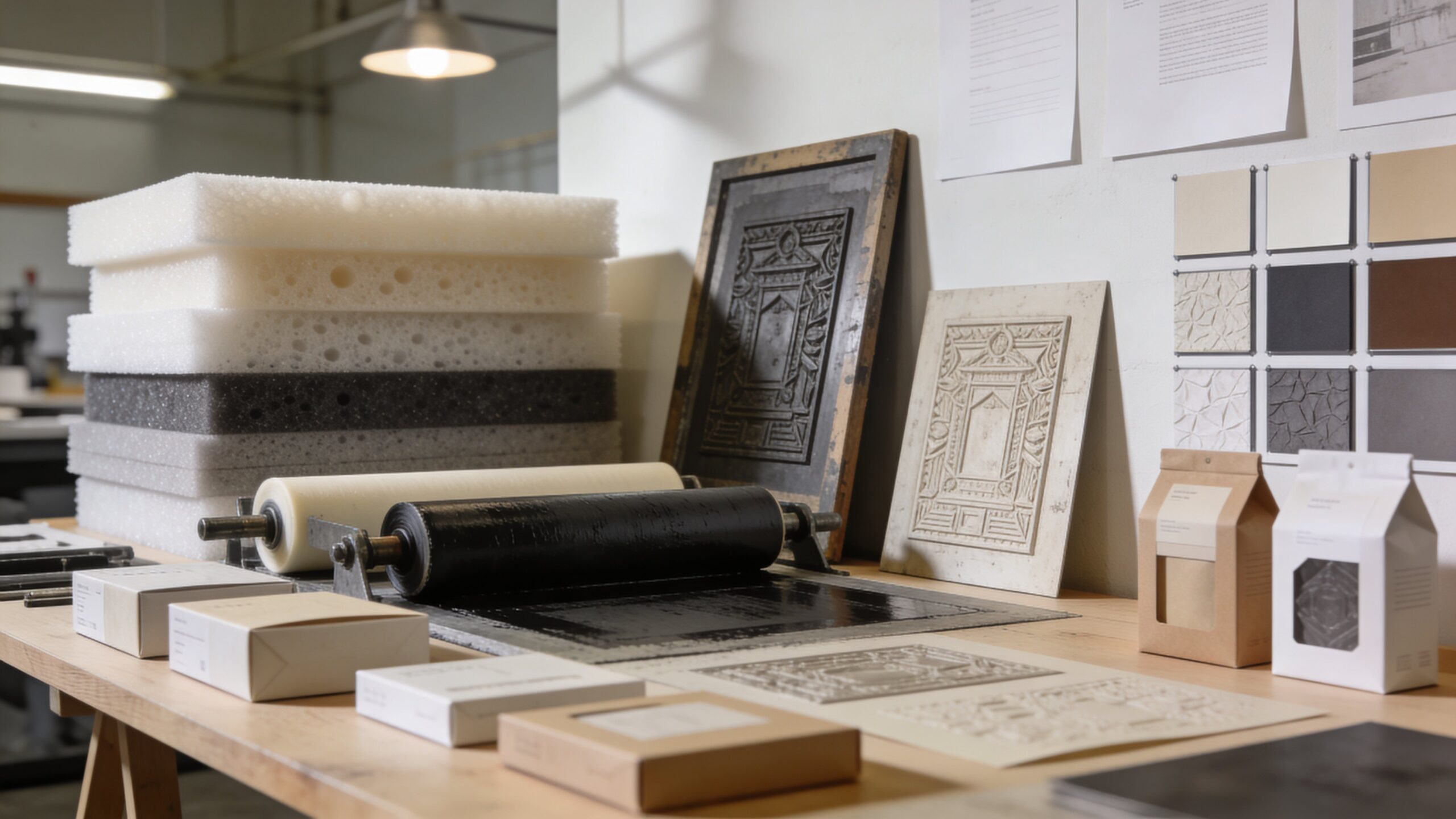
Foam rubber is one of those materials most people interact with daily without ever stopping to wonder where it comes from. It cushions our mattresses, protects athletes during impact, quiets machinery, seals doors, and absorbs shock in everything from footwear to automobiles. Soft yet resilient, lightweight yet durable, foam rubber seems almost magical in how it balances comfort and performance. But beneath that springy surface lies a fascinating story of chemistry, nature, and engineering. Understanding what foam rubber is made of helps explain why it behaves the way it does, why some foams feel plush while others feel firm, and why certain types last decades while others break down quickly. The most important distinction in the world of foam rubber is the difference between natural foam rubber and synthetic foam rubber. While they may look similar, they come from very different sources and serve different purposes. This article explores what foam rubber is made of, how it’s created, how natural and synthetic versions compare, and why manufacturers choose one over the other. By the end, you’ll see foam rubber not as a simple material, but as a carefully engineered structure built from bubbles, polymers, and science.
A: No. Sponge is porous by nature; foam rubber is engineered with controlled cells.
A: Synthetic foams generally last longer in harsh environments.
A: It is renewable but still energy-intensive to process.
A: Recycling is limited due to crosslinked polymers.
A: Higher density usually means better durability and support.
A: Closed-cell foam resists water; open-cell foam absorbs it.
A: Elastic polymer chains and trapped air working together.
A: Yes, especially with heat, UV, and oxygen exposure.
A: Yes, through chemistry, density, and cell control.
A: To balance comfort, durability, and cost.
What Foam Rubber Really Is
At its core, foam rubber is rubber that has been expanded with gas to form a cellular structure. Instead of being a solid block, foam rubber is filled with millions of tiny air pockets trapped inside a flexible rubber matrix. These pockets give foam rubber its signature properties: compressibility, softness, energy absorption, and rebound.
The rubber itself can be either natural or synthetic, but the foaming process transforms it into something entirely different from solid rubber sheets or molded rubber parts. By introducing gas during curing, manufacturers create either open-cell or closed-cell foam, which dramatically affects how the material behaves.
Open-cell foam rubber has interconnected air pockets that allow air and moisture to pass through. This makes it breathable, soft, and excellent for cushioning and comfort applications. Closed-cell foam rubber traps gas inside sealed pockets, making it more rigid, water-resistant, and ideal for insulation, sealing, and impact protection. No matter the cell structure, foam rubber always begins as a rubber compound combined with additives, curing agents, and foaming agents that create the final expanded form.
The Origins of Natural Foam Rubber
Natural foam rubber starts with one of the most remarkable raw materials on Earth: natural latex. This latex is harvested from rubber trees, primarily Hevea brasiliensis, which produce a milky sap rich in rubber polymers. When tapped responsibly, rubber trees can provide latex for decades without being cut down, making natural rubber a renewable resource.
Fresh latex is an emulsion of rubber particles suspended in water. On its own, it’s sticky and unstable, but through controlled processing it becomes the foundation for natural foam rubber. The latex is filtered, stabilized, and compounded with curing agents such as sulfur, along with antioxidants, soaps, and sometimes fillers to control performance.
To turn liquid latex into foam, air is mechanically whipped into the mixture, creating a frothy structure similar in appearance to whipped cream. This aerated latex is then poured into molds, heated, and cured through a process called vulcanization. During curing, sulfur bonds crosslink the rubber molecules, locking the foam structure into place.
Once cured, the foam is washed, dried, and cut into sheets or shapes. The result is a resilient, elastic material known for its durability, natural bounce, and comfort.
What Natural Foam Rubber Is Made Of
Natural foam rubber is primarily composed of cis-1,4-polyisoprene, the polymer that makes up natural rubber. This molecular structure gives natural rubber its exceptional elasticity and tear resistance. The foam also contains water, small amounts of proteins, fatty acids, and naturally occurring compounds from the latex itself.
In addition to rubber polymers, natural foam rubber includes sulfur or other curing agents that form crosslinks between polymer chains. These crosslinks determine how soft or firm the foam feels and how well it retains its shape over time. Stabilizers and antioxidants help protect the foam from heat, oxygen, and light, extending its lifespan.
Because natural foam rubber relies heavily on latex content rather than synthetic fillers, it tends to feel more “alive” or responsive compared to many synthetic foams. It compresses easily but springs back quickly, maintaining its structure even after years of use.
The Rise of Synthetic Foam Rubber
While natural foam rubber has been used for over a century, synthetic foam rubber emerged in the 20th century as industries demanded materials with more predictable performance and lower dependence on agricultural supply chains. Synthetic rubber is derived from petroleum-based chemicals rather than plant sap, allowing manufacturers to tailor properties with precision.
Synthetic foam rubber begins as a polymer created through chemical reactions involving hydrocarbons. These polymers mimic or surpass the properties of natural rubber while offering advantages such as improved resistance to oils, chemicals, UV exposure, and temperature extremes.
Common synthetic rubbers used in foam form include styrene-butadiene rubber (SBR), neoprene (chloroprene rubber), nitrile rubber (NBR), ethylene propylene diene monomer (EPDM), and polyurethane-based elastomers. Each type brings unique strengths depending on the intended application.
Like natural foam rubber, synthetic versions are expanded using foaming agents that introduce gas bubbles during curing. The resulting cellular structure is then stabilized through heat, pressure, or chemical reactions.
What Synthetic Foam Rubber Is Made Of
Synthetic foam rubber is built from engineered polymers designed to meet specific performance criteria. Unlike natural rubber, which has a relatively fixed molecular structure, synthetic rubbers can be altered at the molecular level. Chemists adjust chain length, branching, and crosslink density to control hardness, flexibility, chemical resistance, and aging characteristics.
Foaming agents play a critical role in synthetic foam rubber production. These agents release gas when heated or chemically activated, expanding the rubber matrix into foam. In some cases, inert gases are physically injected into the material, while in others, chemical reactions generate gas internally.
Additives are more common in synthetic foam rubber than in natural versions. Plasticizers improve flexibility, fillers reduce cost or increase strength, and stabilizers protect against heat, ozone, and UV exposure. Flame retardants, antimicrobial agents, and colorants may also be added depending on the use case. The result is a highly customizable material that can be engineered for extreme environments where natural foam rubber would degrade too quickly.
Comparing Natural and Synthetic Foam Rubber
The differences between natural and synthetic foam rubber go far beyond their origins. Natural foam rubber is prized for comfort, elasticity, and long-term resilience under repeated compression. It tends to feel softer and more responsive, making it popular in bedding, pillows, and ergonomic products.
Synthetic foam rubber excels in durability under harsh conditions. It can resist oils, fuels, chemicals, moisture, and temperature extremes far better than natural latex. This makes synthetic foams ideal for industrial, automotive, marine, and outdoor applications.
Natural foam rubber is biodegradable over time and derived from renewable resources, but it can be sensitive to UV light, ozone, and certain chemicals. Synthetic foam rubber offers consistency and longevity but relies on fossil fuels and often has a larger environmental footprint.
Cost is another key factor. Natural foam rubber is typically more expensive due to agricultural production, labor-intensive processing, and limited supply. Synthetic foam rubber benefits from large-scale chemical manufacturing, making it more affordable for mass production.
How Cell Structure Affects Performance
Whether natural or synthetic, foam rubber’s performance depends heavily on its internal cell structure. Open-cell foam rubber allows air to move freely, making it breathable and soft. This structure enhances comfort but reduces water resistance and load-bearing capacity.
Closed-cell foam rubber traps gas within sealed pockets, increasing stiffness, buoyancy, and resistance to moisture. Closed-cell foams are commonly used for gaskets, insulation, flotation devices, and impact protection where durability matters more than softness.
Manufacturers can fine-tune cell size and density to achieve specific properties. Smaller cells increase strength and uniformity, while larger cells create lighter, softer foam. This level of control is one of the reasons foam rubber is so versatile across industries.
The Role of Vulcanization and Curing
Vulcanization is the process that transforms raw rubber into a stable, elastic material. In both natural and synthetic foam rubber, curing creates crosslinks between polymer chains that lock the foam’s shape and properties into place. The degree of crosslinking directly affects hardness, elasticity, and longevity. Lightly vulcanized foam feels softer and more flexible but may wear out faster. Heavily crosslinked foam resists deformation and lasts longer but feels firmer. Modern curing methods include sulfur vulcanization, peroxide curing, and radiation curing, depending on the type of rubber used. These techniques allow precise control over foam performance for specialized applications.
Environmental Considerations
Environmental impact plays an increasingly important role in material selection. Natural foam rubber has the advantage of being sourced from renewable rubber trees, and responsibly managed plantations can support biodiversity and carbon sequestration.
However, natural latex processing requires significant water and energy, and transportation contributes to emissions. Synthetic foam rubber, while often more durable, relies on petroleum-based feedstocks and can persist in the environment for decades.
Recycling foam rubber remains challenging due to its cellular structure and crosslinked polymers. Research into bio-based synthetic rubbers and improved recycling technologies continues to push the industry toward more sustainable solutions.
Why Manufacturers Choose One Over the Other
Choosing between natural and synthetic foam rubber depends on performance requirements, budget, environmental goals, and intended use. Products focused on comfort, elasticity, and long-term cushioning often favor natural foam rubber. Industrial components exposed to chemicals, weather, or mechanical stress typically rely on synthetic options.
In many cases, manufacturers blend natural and synthetic rubbers to balance cost, performance, and sustainability. Hybrid foams combine the elasticity of natural rubber with the resistance of synthetic polymers, offering a best-of-both-worlds solution.
The Future of Foam Rubber Materials
Foam rubber continues to evolve as science advances. New formulations aim to reduce environmental impact while improving performance. Bio-based synthetic rubbers derived from plant oils, algae, and agricultural waste are gaining attention as alternatives to petroleum-based materials.
Advances in foaming technology allow for more precise control of cell structure, enabling lighter, stronger, and more efficient foam products. Smart foams with adaptive properties, enhanced energy absorption, and improved thermal regulation are already emerging in specialized applications. As sustainability, comfort, and performance demands grow, foam rubber will remain a cornerstone material across industries.
Conclusion
Foam rubber is far more than a soft, springy material. It is the result of complex chemistry, careful engineering, and deliberate material selection. Natural foam rubber, made from renewable latex, offers unmatched elasticity and comfort, while synthetic foam rubber delivers durability, resistance, and versatility in demanding environments. Understanding what foam rubber is made of explains why different foams feel, perform, and age differently. Whether cushioning a mattress, sealing industrial equipment, or protecting athletes from impact, foam rubber’s ability to adapt to human needs is rooted in its molecular structure and manufacturing process. By appreciating the differences between natural and synthetic foam rubber, consumers and manufacturers alike can make smarter choices, ensuring the right material is used in the right place for the right purpose.