Foam Cushion Fill Is Part of a Seating System
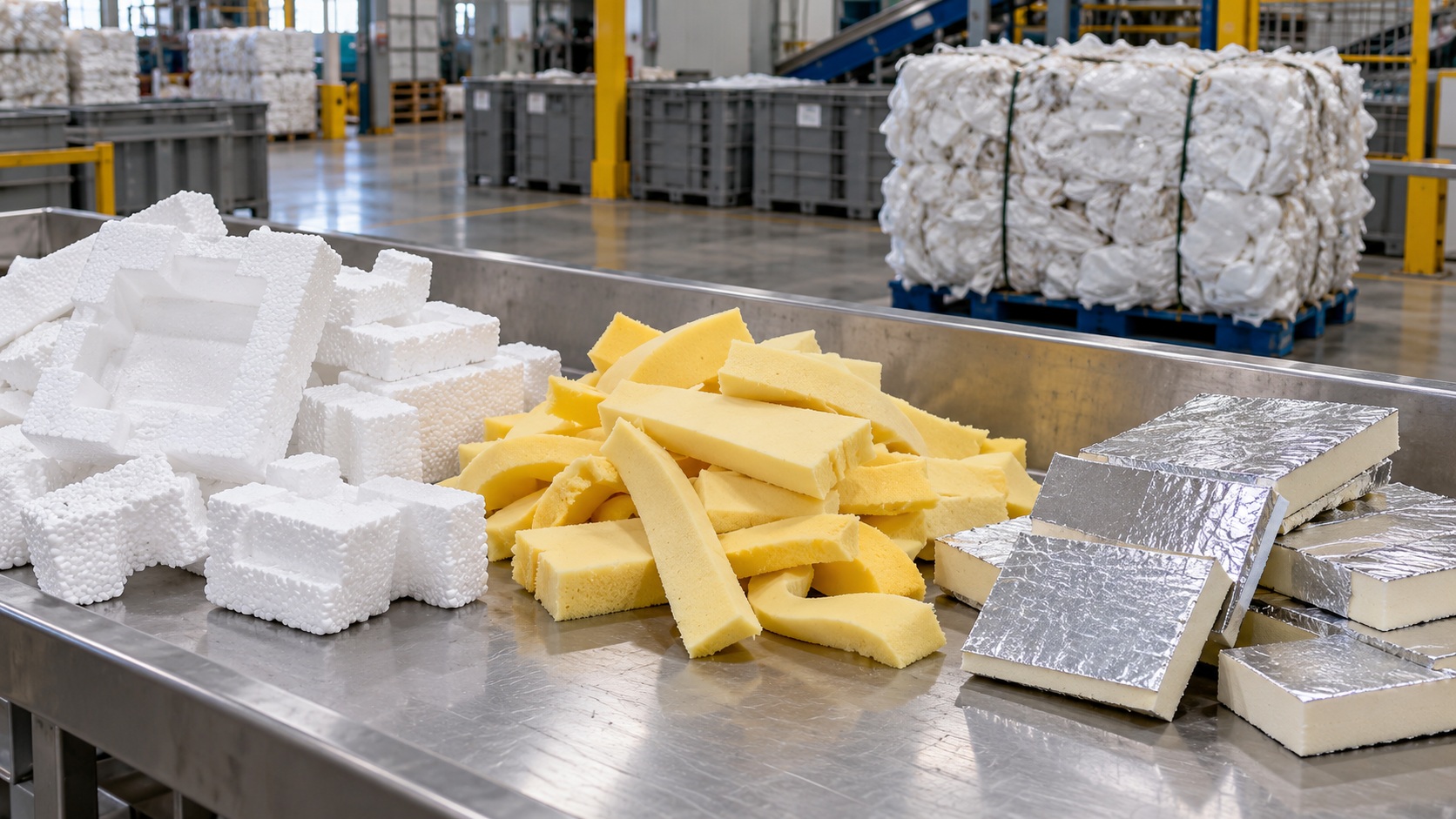
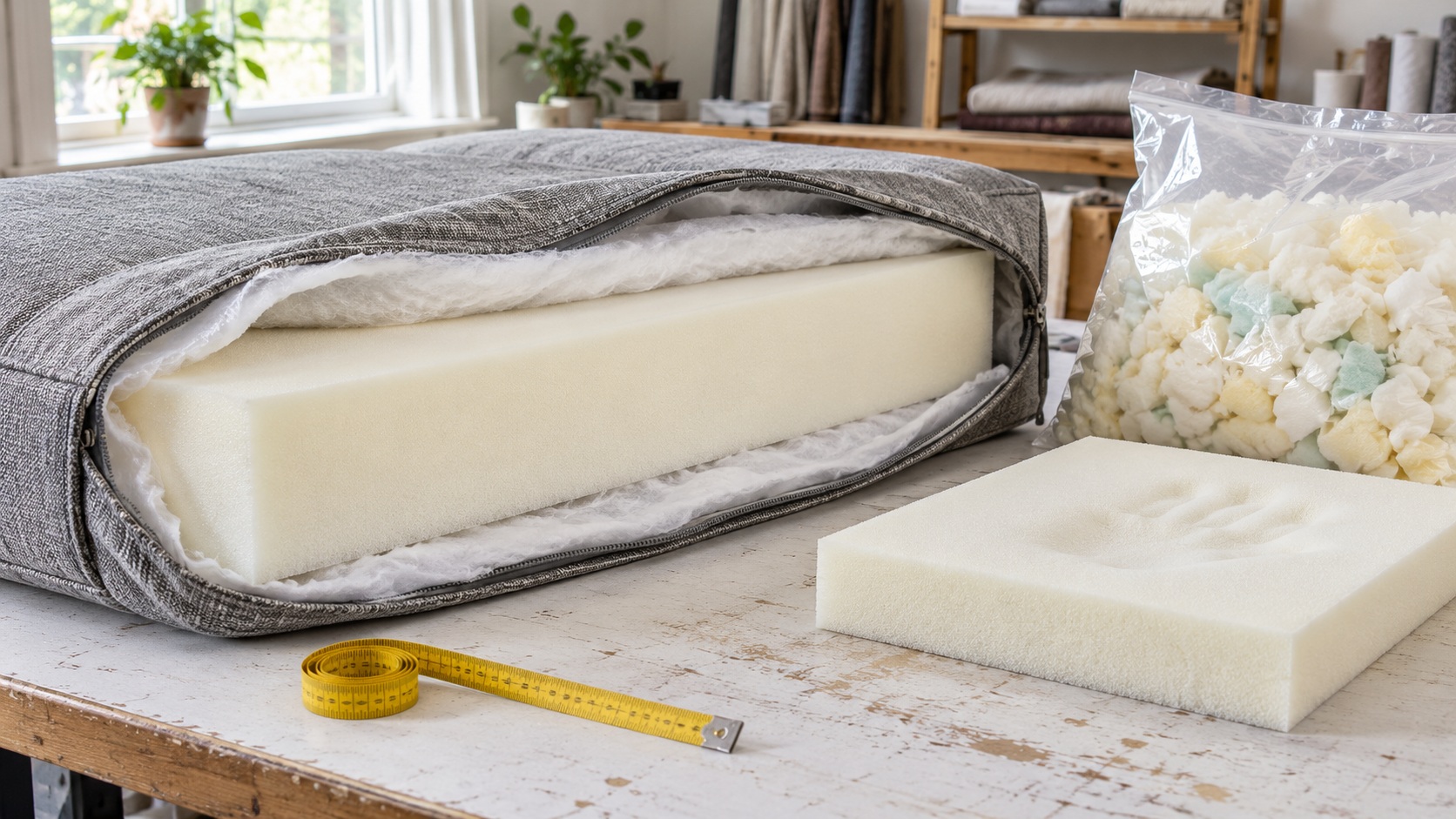
Foam cushion fill is the cellular material inside a cushion that compresses under load and recovers when the load is removed. It may form a single shaped core, several bonded layers, loose pieces contained in a liner, or a core surrounded by softer filling. Different constructions create different sensations, from a responsive upright seat to a deep, slowly conforming lounge cushion. The best choice is not simply the firmest or densest option on a supplier’s list. Thickness, dimensions, cover fit, supporting furniture, use frequency, and personal preference all influence the result. Understanding the main fill types helps you describe the cushion you want and distinguish an appealing first squeeze from support that remains comfortable during ordinary use.
A: No. Density and firmness are distinct specifications.
A: Their deeper compression response, thickness, covers, and supporting furniture can differ.
A: No. Slower recovery and conforming feel are preferences to evaluate in the complete seat.
A: No. The actual grade, construction, feel, and suitability still matter.
A: It can suit adjustable or relaxed forms when the liner and fill behavior match the intended use.
A: The cover, furniture support, dimensions, or selected foam response may be contributing.
A: Evaluate the intended moisture strategy; some systems rely on drainage and ventilation instead.
A: One correctly sized, covered cushion tested on the actual furniture.
A: Do not infer a medical claim from the foam type; clinical needs require appropriate professional assessment.
A: Product specifications, dimensions, wrap details, construction notes, and care instructions.
Distinguish Softness, Density, and Deep Support
Firmness describes resistance to indentation under specified test conditions. Density describes mass per unit volume. They are not synonyms. A relatively dense polyurethane foam can be formulated to feel soft, and a less dense product can feel firm. The Polyurethane Foam Association’s performance guidance explains these distinctions and the role of support factor, which compares resistance at different levels of compression. That deeper response helps explain why two cushions with a similar initial feel can behave differently once a person settles into them. Ask for separate specifications instead of accepting phrases such as firm density.
A hand squeeze is useful for comparing feel but does not reproduce a seated load over time. The sample’s thickness and size also affect the impression. A small thin offcut on a hard table can feel unlike a full cushion on flexible webbing. Compare samples in a construction reasonably close to the intended seat, using the same support and cover arrangement where possible. Notice whether the cushion continues to resist as you settle or collapses toward the furniture beneath it. Avoid interpreting a soft first impression as poor support or a firm first impression as proof of long service.
Durability needs evidence beyond either sensation. Ask what product grade is offered, its relevant specifications, and any available fatigue or performance information. A warranty is also a document with conditions, not a direct prediction of comfort for every user. Daily seating, an occasional guest chair, and a decorative back pillow impose different demands. Write down which one you are replacing before comparing materials. A lower-cost fill may be adequate for light use without being the sensible choice for a heavily used sofa, while a premium product can still disappoint if its feel or thickness does not suit the chair.
Conventional Polyurethane Provides Many Starting Options
Conventional flexible polyurethane is widely offered as cut sheet or shaped cushion stock in a range of grades and firmnesses. A solid core gives a defined outline and can be cut to fit many cushion shapes. Its practical advantage is specification choice: an upholsterer can select a product for the intended thickness and use rather than relying on one generic upholstery foam. The limitation is that similar-looking stock can perform differently. Color is not a universal grade code. Obtain the actual supplier specification and retain it with the dimensions so a successful replacement can be repeated later.
High-resilience polyurethane is another cushioning category, often chosen for a more responsive recovery character. Do not treat the letters HR as a complete quality specification or assume every seller uses identical definitions. Compare the actual product and its documentation. Sailrite’s comparison of its own upholstery foams distinguishes conventional and high-resilience offerings and their intended uses; those descriptions apply to its products rather than establishing universal lifespans for every foam sold under similar names. The useful question is whether the grade, support, and recovery suit the finished cushion you are building.
Memory Foam Changes the Pace of Recovery
Viscoelastic polyurethane, commonly called memory foam, conforms progressively and returns more slowly than a lively conventional cushion. That characteristic can be attractive in a comfort layer or pillow, but it is not automatically desirable throughout a seat. Someone who frequently shifts position may prefer a quicker response. Another person may enjoy the more settled sensation. The PFA’s applications overview describes viscoelastic foam’s conforming and slow recovery behavior. Treat those as material characteristics to try, not a promise that a memory-foam label guarantees superior comfort in every chair or for every person.
Temperature can influence the response of some viscoelastic products. A sample tried briefly in a cool room may not represent its behavior after extended contact. Ask the supplier about the selected grade and compare it under realistic conditions. Do not judge it only by pressing a finger into a shop sample and watching the impression disappear. A seat needs adequate support through the full compression range, and a very soft conforming layer usually depends on the rest of the cushion system. A layered design can separate the surface sensation from the support supplied beneath it, provided the complete construction is appropriate.
Thickness is an important tradeoff. Adding a thick comfort layer can raise seat height, change how a person reaches the floor, and alter the relationship to the chair’s arms and back. It may also change how deeply the user settles and how the cushion recovers between movements. Check the whole chair rather than selecting a layer in isolation. A removable topper can be a useful trial of a general feel, but its loose arrangement is not identical to a permanently integrated cushion. Keep the limitations of that comparison clear before ordering a final replacement.
Use ordinary comfort language rather than unverified medical claims. A household cushion should not be advertised as preventing pressure injuries or treating a condition simply because it contains memory foam. People with clinical seating needs require appropriate professional assessment and a suitable product system. For ordinary furniture, focus on observable preferences such as ease of changing position, support while seated, and the feel after a realistic trial. This keeps the decision useful without turning a material category into a treatment claim it does not establish.
Latex and Loose Foam Offer Different Constructions
Latex foam is made from latex-based formulations and is distinct from polyurethane foam. Natural, synthetic, and blended descriptions concern formulation, not a universal firmness or quality grade. If considering it for a cushion, ask about the actual product’s feel, dimensions, mass, support, and care requirements. Compare a representative sample rather than assuming that a natural-material description answers those questions. Product composition also matters where a user has a known material sensitivity. Seek appropriate advice and clear product information rather than treating any general claim about naturalness as proof of suitability for every person.
Loose shredded foam creates another set of tradeoffs. Pieces contained within a liner can shift and be adjusted, producing a less geometrically fixed cushion than a single solid core. That can suit some pillows and relaxed forms, while a crisp fitted seat may need a more stable outline. Fill amount, piece size, liner design, and compartments all affect the result. Ask whether the contents can be accessed for adjustment and how the manufacturer expects the cushion to be maintained. A loose-fill bag is not interchangeable with a shaped seat core simply because both contain foam.
Recycled or mixed shredded content should be described accurately. It may use recovered material, but that input claim does not automatically establish uniform feel, cleanliness requirements, future recyclability, or performance. Obtain product information relevant to its intended furnishing use. A home-made mixture of unknown scraps can create an inconsistent result and make later identification difficult. For a predictable seat replacement, consistent specified stock is generally easier to evaluate. For a loose pillow, adjustability may be part of the appeal. The construction should follow the function rather than the wish to use every available fragment.
Wraps and Covers Can Change the Same Core
A foam core surrounded by batting or another soft wrap can have a fuller appearance and a gentler initial contact than the same bare core. The wrap is not merely packaging; it occupies space and interacts with the cover. Too much bulk can distort the cushion or strain the closure, while too little may leave the cover looking loose. A feather or fiber-filled envelope around a core adds another construction variable and may require more reshaping. Compare the finished assembly rather than assuming the raw core’s sample feel will remain unchanged after upholstery.
The furniture beneath the cushion matters too. Springs, webbing, a rigid board, and damaged support can produce different seating behavior with identical fill. Inspect the chair before replacing the cushion. A sagging support system can make new foam seem unsuccessful because the underlying problem remains. Likewise, a tight or nonyielding cover can change the way the fill compresses. If an old cushion felt right, record its construction and the state of the furniture rather than copying only its compressed dimensions. Those dimensions may describe wear instead of the intended original shape.
Outdoor Cushions Need a Moisture Strategy
Ordinary indoor cushioning should not be selected for outdoor use by appearance alone. Some reticulated products are designed with open pathways that support drainage and airflow, while other constructions prioritize different properties. Sailrite’s Dry Fast product information illustrates that drainage depends on both the foam and a suitable cover arrangement. Its stated application limits also show that a drainage-focused product is not automatically the best answer to every heavy-use seating need. Ask about the actual exposure, use frequency, and full cushion assembly before selecting a product.
Water needs a way out of the cover and support as well as through the core. A drainable foam enclosed in a poorly chosen construction may not deliver the expected result. Follow the manufacturer’s directions for fabric, underside, ventilation, and care, and provide practical drying and storage arrangements. Do not treat an antimicrobial claim as permission to leave a wet, dirty cushion unmaintained. Exposure to sunlight, weather, and repeated contact still affects the complete product. Indoor and outdoor labels should guide a more specific discussion rather than replace it.
Clarify whether the cushion has any specialized function beyond comfort. Ordinary foam cushioning is not automatically a certified flotation device or a clinical seat. Those uses require suitable products and applicable assessment. For normal patio seating, compare drainage, feel, cover, maintenance, and expected service together. A cushion that sheds water well but feels wrong may not solve the user’s problem; a comfortable indoor fill that remains wet may fail its environment. The purpose of the comparison is a workable complete cushion, not a winner in a single material property.
Compare a Representative Cushion Before Committing
Measure the intended shape carefully, including taper, curves, and the finished cover. Ask the supplier or upholsterer how their product should be sized for that cover rather than applying a universal oversize allowance. If replacing several cushions, trial one where practical. Sit in ordinary positions for a realistic period and check the relationship to the back and arms. Notice recovery after getting up and how the outline looks afterward. A trial should expose the tradeoffs you actually care about, including whether the cushion is easy to handle for routine cleaning and turning.
Keep the selected specifications, dimensions, wrap details, and care instructions. Review any furnishing fire requirements applicable to the project with the responsible supplier or professional; do not assume a replacement core preserves every property of the original assembly. Avoid unqualified non-toxic or fireproof claims. The most dependable purchase is a documented construction that fits the furniture and the user’s preferences, not a foam type chosen because it sounds premium. With the full system understood, conventional, responsive, conforming, or loose-fill options can each be evaluated on the job they are actually being asked to do.
Choose the Cushion, Not Just the Category
Foam fill works through its thickness, support, recovery, cover, and furniture together. Compare representative constructions, keep the specifications, and let the intended use decide which tradeoffs are worthwhile.