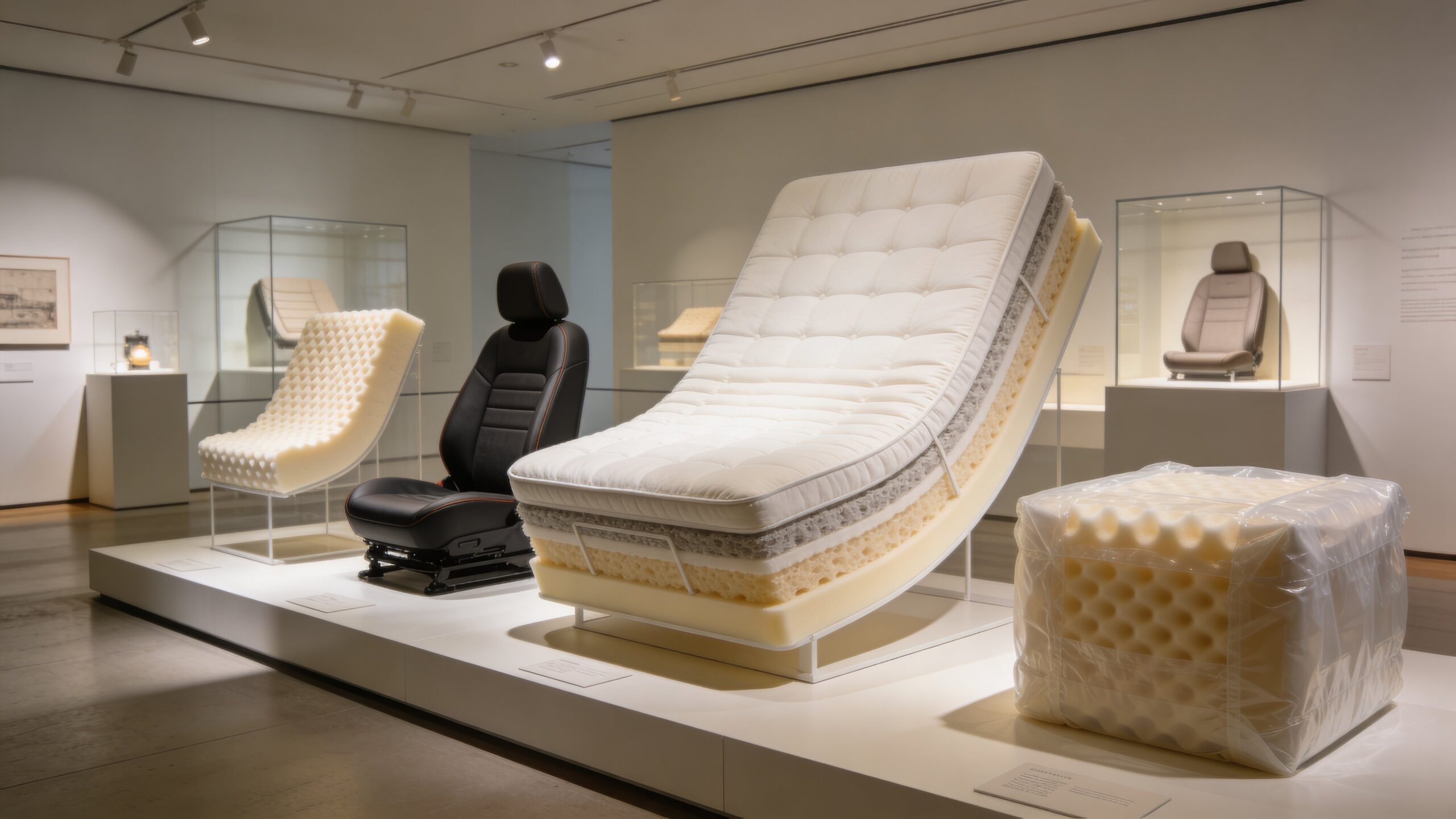
Understanding Foam Mattress Thickness
Foam mattress thickness refers to the total height of a mattress from bottom to top, usually measured in inches. It may sound like a simple number, but that measurement tells you a lot about how the mattress is built, how it may feel, and how well it can support different sleepers. A 6-inch foam mattress, a 10-inch foam mattress, and a 14-inch foam mattress can all be made from foam, but they often deliver very different sleep experiences. The thickness of a foam mattress is not just about luxury or appearance. It affects pressure relief, support depth, motion isolation, durability, ease of movement, bed height, and how the mattress pairs with your frame or foundation. Choosing the right thickness helps you avoid a bed that feels too thin, too tall, too soft, too stiff, or poorly matched to your body.
A: For many adults, 10–12 inches is the best balance of comfort, support, value, and sheet compatibility.
A: It can work for kids, bunk beds, trundles, RVs, or occasional use, but many adults need more support depth.
A: Yes, a well-made 10-inch foam mattress can be a strong everyday choice for many back, side, and combination sleepers.
A: It may offer more cushioning and support depth, but foam quality and firmness still matter more than height alone.
A: Often, yes. Heavier sleepers usually benefit from thicker mattresses with dense support cores and durable comfort layers.
A: Many side sleepers prefer 10–14 inches because the extra depth can cushion the shoulders and hips more effectively.
A: Stomach sleepers usually need firm support more than extra height, so a supportive 8–12 inch mattress may work well.
A: Sometimes, but only if it uses high-quality foam. Thickness helps most when paired with dense, durable support materials.
A: Mattresses over 12 inches often need deep-pocket sheets, and very tall mattresses may need extra-deep-pocket sheets.
A: Yes. A mattress can be too tall for your frame, too plush for your sleep style, or too difficult to get in and out of comfortably.
Why Mattress Thickness Matters
A mattress is not simply a slab of foam. Most foam mattresses are built in layers, with a support core at the bottom and comfort layers near the top. The thicker the mattress, the more room there is for different foam layers to work together. This can create a more balanced feel, especially for sleepers who want cushioning without losing spinal alignment. Thickness also matters because sleepers place different amounts of pressure on a mattress. A lightweight side sleeper may feel comfortable on a thinner or medium-profile foam mattress, while a heavier sleeper may need a thicker mattress with deeper support layers. Couples may also benefit from additional thickness because the mattress must manage more weight, movement, and compression over time.
Thin Foam Mattresses: When Less Can Work
Thin foam mattresses usually fall around 5 to 8 inches thick. These are often used for bunk beds, trundle beds, guest rooms, RVs, children’s beds, floor sleeping setups, or minimalist spaces. They can be practical, lightweight, affordable, and easy to move, especially when the mattress does not need to handle heavy nightly use.
However, thin foam mattresses can feel limited for adults who need strong pressure relief or deeper support. Because there is less material between the sleeper and the foundation, some people may feel the bed bottom out under the hips, shoulders, or lower back. Thin mattresses can work well in the right situation, but they are not always the best choice for long-term everyday comfort.
Medium-Thickness Foam Mattresses
Medium-thickness foam mattresses are commonly found in the 9 to 12-inch range. For many sleepers, this is the sweet spot. These mattresses usually have enough height for a sturdy support base, a transition layer, and a comfort layer that cushions the body without making the bed feel overly tall or bulky.
A 10-inch or 12-inch foam mattress often works well for back sleepers, side sleepers, combination sleepers, guest bedrooms, and everyday adult use. This thickness range can offer a comfortable balance of support, pressure relief, motion control, and value. It is also easy to pair with most standard sheets, bed frames, adjustable bases, and platform foundations.
Thick Foam Mattresses and Premium Comfort
Thick foam mattresses typically measure 13 inches or more. These mattresses often feel more substantial and may include multiple layers designed for contouring, cooling, transition support, and deep compression resistance. A thicker mattress can create a plush, hotel-like look and may feel more luxurious to sleepers who enjoy a taller, cushioned bed.
Thicker foam mattresses can be especially useful for heavier sleepers, couples, side sleepers who need more shoulder and hip relief, and anyone who wants a more layered comfort system. The extra height gives the mattress more space to absorb pressure and distribute weight. Still, thicker does not automatically mean better. A poorly designed 14-inch mattress can feel worse than a well-made 10-inch mattress if the foam quality and layer structure are weak.
Mattress Thickness vs. Mattress Firmness
One of the most common mistakes shoppers make is assuming thickness and firmness are the same thing. They are related, but they are not identical. Thickness describes the height of the mattress, while firmness describes how soft or hard the surface feels when you lie down.
A thick mattress can still feel firm, and a thinner mattress can feel soft. For example, a 12-inch firm foam mattress may have a dense support core and a thin comfort layer, while an 8-inch soft mattress may use plush foam near the surface but lack deep support. The best choice depends on both thickness and feel, not one measurement alone.
How Foam Layers Affect Thickness
The total thickness of a foam mattress comes from its internal layers. The bottom layer is usually the support core, often made from high-density polyfoam. This layer gives the mattress structure and prevents excessive sagging. Above that, many mattresses include transition foam, which helps prevent the sleeper from sinking too abruptly into the firmer base. The top layer is the comfort layer, which may include memory foam, gel memory foam, latex-like foam, or specialty cooling foam. This is the part of the mattress that directly affects pressure relief and contouring. A good foam mattress uses thickness wisely, with each layer serving a clear purpose rather than simply adding height for marketing appeal.
Choosing Thickness by Sleep Position
Your sleeping position plays a major role in choosing the right foam mattress thickness. Side sleepers usually need more cushioning around the shoulders and hips, so they often do well with medium to thicker mattresses. A mattress in the 10 to 14-inch range can provide enough comfort depth to reduce pressure while keeping the spine aligned.
Back sleepers often need balanced support. They usually benefit from a mattress that keeps the hips from sinking too far while still supporting the natural curve of the lower back. Many back sleepers feel comfortable on 10 to 12-inch foam mattresses. Stomach sleepers generally need a firmer, more supportive surface because excessive sinkage can strain the lower back. For them, thickness matters less than strong support and proper firmness.
Choosing Thickness by Body Weight
Body weight affects how deeply a sleeper compresses foam. Lightweight sleepers may not sink deeply into a thick mattress, so they might not fully activate deeper layers. For them, a 8 to 10-inch foam mattress can sometimes feel supportive and comfortable, especially if the top layer is soft enough to relieve pressure.
Average-weight sleepers often have the widest range of options and may do well with 10 to 12 inches. Heavier sleepers usually benefit from thicker mattresses with stronger support cores and durable high-density foam. A mattress around 12 to 14 inches or more can provide better deep compression support and reduce the chance of bottoming out.
Foam Mattress Thickness for Couples
Couples often need more from a mattress than solo sleepers. The bed must handle extra weight, shifting sleep positions, motion transfer, and long-term compression. A thicker foam mattress can help by offering more support depth and better motion absorption, especially if both sleepers have different body types or comfort preferences.
For couples, a 10-inch mattress may work, but 12 inches or more is often a safer choice for everyday use. The added thickness can improve durability and comfort over time. It can also help reduce the feeling of one partner’s movement traveling across the bed, which is one of the major advantages of foam mattresses.
Foam Thickness and Pressure Relief
Pressure relief is one of the main reasons people choose foam mattresses. Foam can contour around the body and spread weight across a larger surface area. This helps reduce sharp pressure points around the shoulders, hips, knees, and lower back. However, the mattress needs enough comfort depth to let that pressure relief happen. If a foam mattress is too thin, the sleeper may press through the comfort layer and feel the firmer foundation below. If it is too thick and too soft, the sleeper may sink too deeply and lose alignment. The right thickness gives the body enough cushioning while still keeping the spine in a healthy position.
Foam Thickness and Support
Support is not the same as hardness. A supportive foam mattress keeps the body aligned and prevents heavier areas, such as the hips and torso, from sinking too far. Thickness can improve support when the mattress includes a strong base layer and a well-designed transition layer.
A thicker mattress with weak foam may still sag quickly, while a thinner mattress with dense, high-quality foam may outperform it. This is why shoppers should pay attention to both mattress height and foam quality. The best foam mattress thickness is the one that gives enough depth for your body without sacrificing structure.
Foam Thickness and Bed Height
Mattress thickness also affects the total height of your bed. A thick mattress on a tall foundation can create a bed that looks dramatic but feels difficult to climb into. A thinner mattress on a low platform frame may create a sleek, modern look but might feel too low for people with knee, hip, or mobility concerns.
Before choosing a foam mattress, think about your bed frame, foundation, and preferred sitting height. Ideally, you should be able to sit on the edge of the bed with your feet comfortably reaching the floor. A mattress that feels comfortable lying down can still be inconvenient if the total bed height does not work for your room or body.
Foam Thickness and Sheet Fit
Thicker mattresses may require deep-pocket sheets. Standard fitted sheets often work for mattresses around 8 to 12 inches, but mattresses above that range may need sheets designed for deeper profiles. If you choose a 14-inch or 16-inch foam mattress, check the pocket depth before buying bedding.
This small detail can make a big difference. Sheets that are too shallow may pop off the corners, bunch up, or create tension across the mattress surface. Properly fitted bedding helps preserve the feel of the mattress and makes the bed easier to maintain.
Foam Thickness and Durability
A thicker mattress can be more durable, but only when the extra height comes from quality materials. More foam does not automatically mean longer life. Density, construction, foam type, and layer design all matter. High-density support foam usually lasts longer than low-density foam, especially under heavier sleepers.
A thin mattress may wear out faster if it is used every night by an adult, because the foam has less room to absorb repeated compression. A medium or thick mattress with a strong support core may hold its shape better over time. For long-term use, thickness should be considered alongside foam density and warranty expectations.
Foam Mattress Thickness for Guest Rooms
Guest rooms do not always need the thickest or most expensive mattress. Since guest beds are usually used less often, a medium-profile foam mattress can offer a good balance of comfort, cost, and practicality. A 10-inch foam mattress is often a smart choice because it feels substantial enough for adults without being difficult to move or dress with sheets. If your guest room serves multiple types of visitors, aim for a medium feel and medium thickness. This gives the mattress enough versatility for side, back, and combination sleepers. For a guest bed, the goal is broad comfort rather than a highly specific sleep feel.
Foam Mattress Thickness for Kids and Teens
Children often do well on thinner foam mattresses because they weigh less and do not need as much deep compression support. A 6 to 8-inch foam mattress may be enough for younger kids, bunk beds, or compact room setups. These mattresses are usually easier to handle and may fit better within safety rails.
Teenagers may need more support as they grow. For teens, a 8 to 10-inch foam mattress can be a better long-term option, especially if the bed will be used every night. As body weight and sleep needs change, mattress thickness becomes more important for comfort and durability.
Foam Mattress Thickness for Adjustable Bases
Foam mattresses often work well with adjustable bases because they can bend more easily than traditional innerspring mattresses. However, thickness still matters. A very thick foam mattress may not flex as smoothly on an adjustable frame, especially if it has a dense or rigid support core.
For adjustable beds, many sleepers prefer foam mattresses in the 10 to 12-inch range. This thickness often provides enough comfort while still allowing the mattress to move with the base. Always check whether the mattress is adjustable-base compatible before buying.
Is a Thicker Foam Mattress Always Better?
A thicker foam mattress can look more premium, but it is not always the best choice. Some sleepers may feel trapped in an overly thick, plush foam bed. Others may find that a tall mattress makes the bed harder to access or requires new bedding. Thickness should solve a comfort problem, not create new ones.
The goal is not to buy the tallest mattress available. The goal is to choose the profile that fits your body, sleep position, room setup, and comfort preferences. A well-designed 10-inch mattress can be the perfect fit for one sleeper, while another may genuinely need 14 inches of layered support.
The Best Foam Mattress Thickness for Most People
For many adults, the best foam mattress thickness falls between 10 and 12 inches. This range usually provides enough height for a supportive base layer, a transition layer, and a comfortable top layer. It is also compatible with most bed frames, sheets, and sleeping styles.
Sleepers who are heavier, sleep on their side, share the bed, or want a more luxurious feel may prefer 12 to 14 inches. Sleepers who are lighter, shopping for kids, furnishing a guest room, or using a bunk bed may be comfortable with 6 to 10 inches. The right thickness is personal, but understanding these ranges makes the decision much easier.
Finding the Right Fit
Finding the right foam mattress thickness starts with asking how the mattress will be used. Is it for nightly adult sleep, a guest room, a child, a couple, or an adjustable base? Then consider body weight, sleep position, desired bed height, bedding compatibility, and whether you prefer a low-profile or plush look. The best mattress thickness is the one that feels supportive, comfortable, and practical in your real bedroom. When thickness, firmness, foam quality, and bed setup work together, a foam mattress can deliver the pressure relief and deep comfort that make sleep feel easier, calmer, and more restorative.