What is Foam Wall Paneling?
Foam wall paneling is a lightweight wall-covering material designed to add texture, softness, dimension, sound control, or decorative style to interior spaces. Instead of relying on heavy wood, stone, tile, or plaster, foam panels use engineered materials such as polyurethane foam, polyethylene foam, EVA foam, PVC foam, or acoustic foam to create a wall surface that is easier to install and often more affordable than traditional wall finishes. At its simplest, foam wall paneling is a panel-based wall treatment. The panels may be flat, ribbed, grooved, padded, beveled, geometric, brick-like, stone-like, wood-look, or sculptural. Some are built for decoration, while others are designed to absorb sound, protect walls, soften a room, or create a more comfortable environment. That combination of style and function is why foam wall panels have become popular in homes, studios, offices, gaming rooms, theaters, nurseries, gyms, rental spaces, and creative interiors.
A: Foam wall paneling is a lightweight wall treatment used for decoration, texture, sound absorption, comfort, or wall protection.
A: It can reduce echo and improve room acoustics, but it does not fully soundproof a room by blocking sound transmission.
A: Foam panels work well in bedrooms, living rooms, offices, studios, gaming rooms, theaters, nurseries, and basement spaces.
A: Many foam panels are DIY-friendly and can be installed with peel-and-stick backing, adhesive, tape, or mounting strips.
A: Some can be painted, but you should check the manufacturer’s instructions and test water-based paint on a small piece first.
A: Foam panels should generally be kept away from fireplaces, stoves, heaters, and high-heat areas unless they are specifically rated for that use.
A: Yes, but renters should test removable mounting methods first and avoid adhesives that may damage paint or drywall.
A: Use a soft brush, vacuum attachment, lint roller, or lightly damp cloth depending on the panel surface and manufacturer guidance.
A: They can look premium when the panel style, layout, lighting, seams, and room design are handled carefully.
A: The best style depends on the goal: acoustic panels for sound, padded panels for comfort, 3D panels for texture, and faux material panels for visual character.
Why Foam Wall Paneling Has Become So Popular
The rise of foam wall paneling comes from one simple advantage: it gives walls a dramatic upgrade without the difficulty of a full construction project. A blank wall can feel cold, flat, and unfinished, but foam panels can quickly add depth, warmth, and personality. Many panels are peel-and-stick or easy to mount with adhesive, making them appealing to homeowners, renters, small business owners, and DIY decorators. Foam wall panels are also popular because they help solve real problems. A room with hard floors, bare drywall, and minimal furniture can feel echoey and uncomfortable. Acoustic foam panels can reduce harsh reflections and make the space sound more balanced. In playrooms, home gyms, or work areas, softer wall panels can add a layer of protection. In bedrooms and living rooms, decorative foam panels can create the look of a custom feature wall without the weight, dust, and expense of traditional materials.
The Main Types of Foam Wall Paneling
Foam wall paneling comes in several major categories, and each one serves a different purpose. Decorative foam panels are primarily used for style. These may mimic brick, stone, concrete, wood slats, leather padding, or modern 3D geometric patterns. They are often chosen for accent walls, headboards, entertainment walls, hallway features, and retail-style displays.
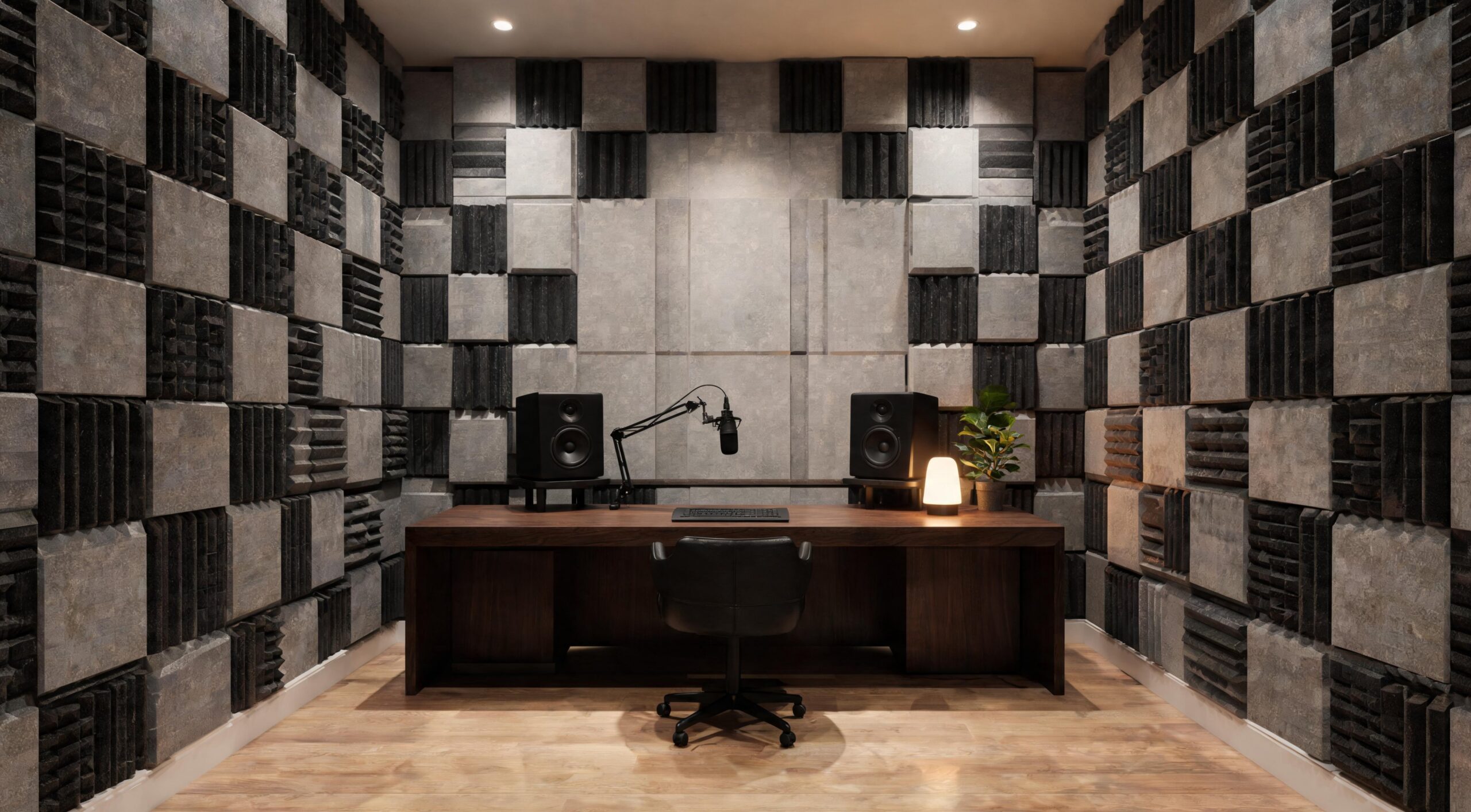
Acoustic foam panels are designed to improve sound quality. These are common in podcast rooms, music studios, gaming rooms, offices, media rooms, and home theaters. They often use wedge, pyramid, hexagon, wave, or flat felt-covered foam designs to help absorb sound reflections. There are also padded foam panels, which combine comfort and design. These are often used behind beds, in children’s rooms, seating areas, and luxury lounge-inspired interiors.
Decorative Foam Panels for Style
Decorative foam wall panels are ideal when the goal is visual impact. They can turn a flat wall into a textured feature without requiring stone masonry, carpentry, or tilework. Faux brick foam panels create an urban loft feel, while faux stone panels can add rustic or architectural character. Fluted or ribbed foam panels bring a modern designer look, especially when used behind a TV, bed, reception desk, or dining area.
The best decorative foam panels are not just about pattern; they are about shadow, proportion, and finish. A deep 3D panel catches light differently throughout the day, creating a wall that feels alive. Matte finishes tend to look more refined, while glossy or overly plastic finishes can sometimes look less realistic. For a premium result, the panel style should match the room’s furniture, lighting, and color palette instead of competing with them.
Acoustic Foam Wall Panels
Acoustic foam wall panels are built to reduce echo, flutter, and sound reflections inside a room. They do not completely soundproof a room, but they can make a space feel quieter, clearer, and more comfortable. This is especially useful in rooms where people record audio, stream video, play music, watch movies, or work on calls.
The key thing to understand is the difference between sound absorption and soundproofing. Foam panels absorb some sound energy inside a room, helping reduce reflections. Soundproofing, on the other hand, blocks sound from traveling through walls, ceilings, and floors. Foam panels are not a full soundproofing solution, but they can be a smart part of an acoustic improvement plan when used correctly.
Padded Foam Wall Panels
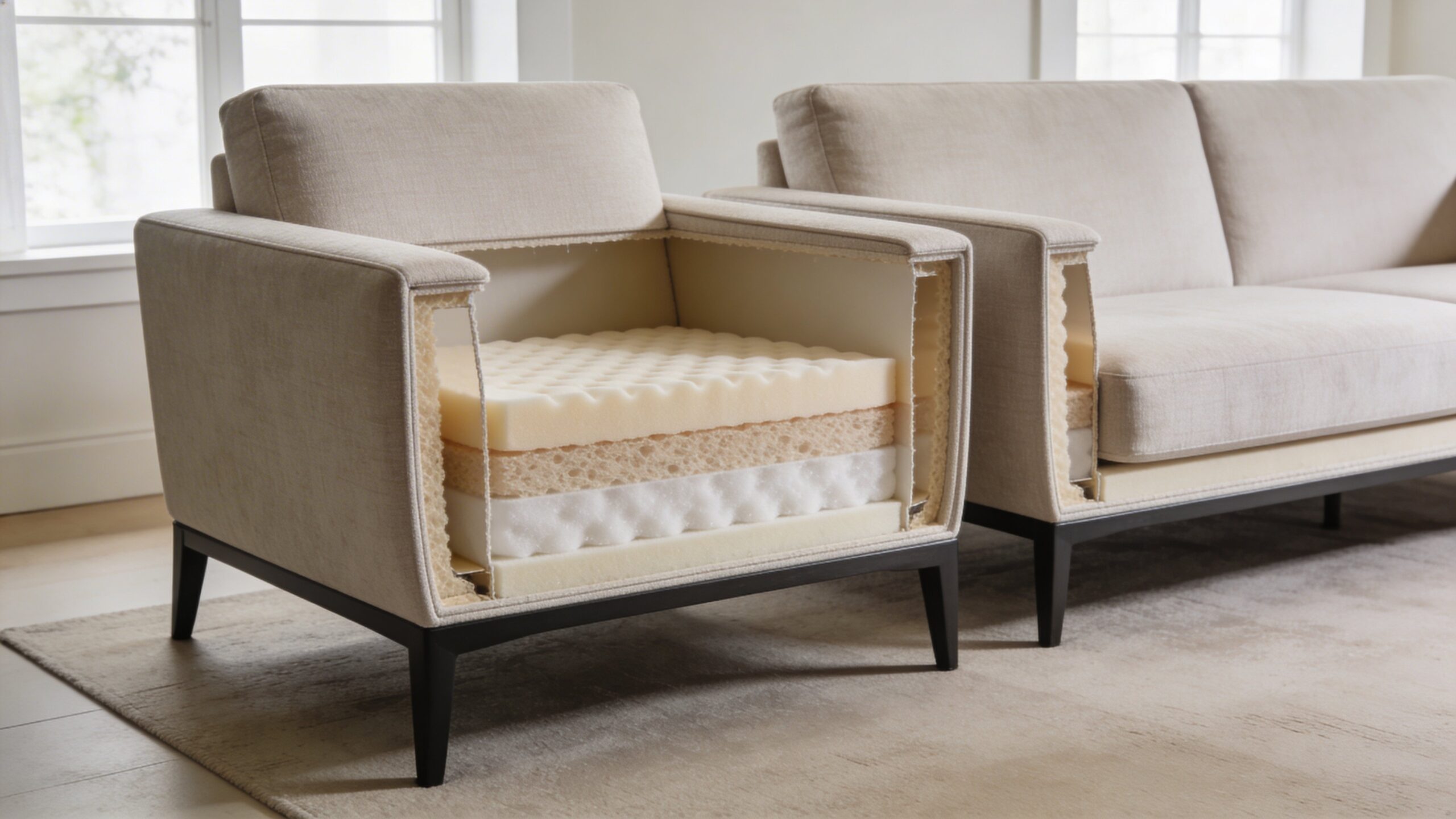
Padded foam wall panels are often chosen for comfort, softness, and a more upholstered look. These panels may be covered in fabric, faux leather, suede-like material, or vinyl. They are common in bedrooms because they can create a soft headboard wall that feels more luxurious than a standard painted surface.
Padded panels can also work well in family spaces, reading corners, playrooms, and boutique-style interiors. They soften the look of a room while adding a touch of sound absorption. Because they feel more furniture-like than construction-like, padded panels are especially useful when you want a warm, cozy, and finished atmosphere.
3D Foam Wall Panels
3D foam wall panels are designed to create strong visual texture. These panels can feature waves, diamonds, hexagons, squares, slats, curves, or abstract sculptural forms. Their biggest advantage is depth. Instead of relying only on color, they use shape and shadow to make the wall more interesting. A 3D foam panel wall works best when it is treated like a design feature rather than background filler. It can be used behind a sofa, bed, desk, dining table, TV, or display shelf. Good lighting makes a big difference. Wall washers, sconces, LED strips, or soft directional lighting can bring out the texture and make the panels look more expensive.
Faux Brick, Stone, and Wood-Look Foam Panels
One of the most popular uses for foam wall paneling is imitation material. Faux brick foam panels can make a room feel more industrial, vintage, or loft-inspired. Faux stone panels can create a cozy lodge, fireplace, or accent-wall effect. Wood-look foam panels can suggest warmth and texture without the weight or installation complexity of real wood. The quality of the print, embossing, and panel edges matters. Cheaper panels may repeat patterns too obviously or look flat from close range. Better panels use deeper texture, varied coloration, and more realistic surface detail. For the most convincing result, use faux material panels in areas where people see the overall wall first, not where they inspect the surface from inches away.
Where Foam Wall Paneling Works Best
Foam wall paneling works well in many areas of the home, but it is especially effective on accent walls. A single feature wall can create a strong design statement without overwhelming the room. Bedrooms, living rooms, home offices, recording spaces, gaming rooms, home theaters, nurseries, and basement lounges are some of the best places to use foam panels.
Foam panels can also work in commercial settings. Small offices, salons, waiting rooms, studios, retail displays, booths, and content creation rooms can all benefit from a wall treatment that looks polished but is not overly expensive. Because foam is lightweight, it can be easier to install in spaces where heavy materials would be impractical.
Benefits of Foam Wall Paneling
The biggest benefit of foam wall paneling is that it combines visual transformation with practical convenience. Foam panels are usually much lighter than wood, stone, tile, or plaster. That makes them easier to carry, cut, position, and install. Many DIYers can complete a foam panel accent wall with basic measuring tools, adhesive, a utility knife, and patience. Another major benefit is comfort. Foam adds softness to a room both visually and physically. Acoustic foam can improve sound quality. Padded foam can make a wall feel safer and more comfortable. Decorative foam can add character without a major renovation. In many cases, foam panels are also more budget-friendly than traditional wall paneling.
Limitations to Consider
Foam wall paneling is versatile, but it is not perfect for every situation. Foam can be more vulnerable to dents, tears, heat, sharp objects, and heavy impact than harder materials. Some foam panels may not be suitable near fireplaces, stoves, heaters, or high-heat areas unless the manufacturer specifically rates them for that environment.
Moisture is another consideration. Some foam panels can work in dry interior spaces but may not be ideal for bathrooms, showers, laundry rooms, or damp basements unless they are designed for moisture resistance. Fire safety also matters. Always check product ratings, local building rules, and manufacturer instructions before installing foam panels in large quantities, commercial areas, or spaces with special safety requirements.
How to Choose the Right Foam Wall Panels
Choosing the right foam wall paneling starts with the purpose of the room. If the goal is better audio for recording or streaming, acoustic foam is the better direction. If the goal is a stylish bedroom backdrop, padded or decorative panels may be the best choice. If the goal is a modern feature wall, 3D geometric panels or fluted foam panels can create a more architectural effect.
The second decision is style. A wall panel should support the mood of the space. Brick-inspired foam can feel casual and urban. Stone-look foam can feel rustic and grounded. Fabric-covered padded panels can feel soft and luxurious. Minimal 3D panels can feel clean and contemporary. Color, scale, texture depth, and finish should all work with the furniture and lighting already in the room.
Installation Basics
Most foam wall paneling installations begin with planning the layout. Measure the wall carefully, mark the centerline, and decide whether the panels will run edge-to-edge or sit inside a framed accent area. Dry-fitting panels before applying adhesive helps prevent awkward cuts or uneven spacing.
Installation methods vary by product. Some panels use peel-and-stick backing, while others require construction adhesive, spray adhesive, double-sided mounting tape, or removable strips. The wall should be clean, dry, smooth, and free from dust. For the cleanest result, use a level, work slowly, and avoid stretching or forcing panels into place.
Cutting and Finishing Foam Panels
Foam panels are usually easy to cut, which is one reason they are DIY-friendly. A sharp utility knife, straightedge, and careful scoring can handle many panel types. Thicker panels may require multiple passes. For decorative panels with patterns, cuts should be planned so the design remains balanced at corners, outlets, and edges.
Finishing is what separates an average installation from a polished one. Corners, seams, outlet areas, and panel edges need special attention. Some panels can be painted, but not all finishes accept paint equally well. Water-based paints are usually safer for foam than solvent-heavy coatings. When in doubt, test on a scrap piece first.
Design Ideas for Stylish Foam Wall Paneling
A foam panel accent wall behind a bed can create a boutique hotel look without a custom upholstered headboard. Large padded squares or vertical channel panels can make the room feel softer and more expensive. In a living room, foam panels behind the TV can reduce the blank-wall effect and create a more intentional entertainment zone.
For creative spaces, acoustic foam can be arranged in a pattern instead of scattered randomly. Hexagon panels, color-blocked panels, or fabric-wrapped acoustic tiles can improve sound while still looking designed. In a hallway or entryway, shallow 3D panels can add texture without taking up much space. In a basement, faux stone or brick foam panels can make a plain wall feel warmer and more finished.
Foam Wall Paneling for Renters
Foam wall paneling can be attractive to renters because it is lightweight and can sometimes be installed with removable methods. Peel-and-stick panels, mounting strips, and low-damage adhesives may offer a temporary option, although results depend on the wall surface, paint quality, humidity, and panel weight.
Renters should be careful before covering large wall areas. Some adhesives can pull paint or leave residue when removed. A good strategy is to test one panel in a hidden area first. Another option is to mount panels onto a lightweight backing board, then hang the board like oversized wall art. This gives the look of a panel wall without permanently attaching every piece to the wall.
Are Foam Wall Panels Worth It?
Foam wall panels are worth it when you want a stylish, lightweight, and practical way to upgrade a space without major construction. They are especially valuable for accent walls, sound improvement, soft wall treatments, content creation rooms, and budget-friendly design makeovers. They offer a lot of visual impact for the effort involved.
They may not be the best choice for high-heat areas, heavy abuse zones, wet spaces, or projects where only natural materials will satisfy the design goal. But when used in the right place, foam wall paneling can be one of the easiest ways to make a room feel more finished, comfortable, and custom.
Final Thoughts
Foam wall paneling is more than a quick décor trend. It is a flexible design tool that can make a room look better, sound better, and feel more comfortable. Whether you choose acoustic panels for a studio, padded panels for a bedroom, faux brick for a lounge, or sculptural 3D panels for a modern feature wall, foam offers a practical path to a more expressive interior. The best foam wall paneling projects begin with a clear goal. Decide whether you want texture, sound control, softness, protection, or visual drama. Then choose the panel type, finish, and installation method that fits the room. With the right approach, foam wall paneling can turn a plain wall into one of the most memorable features in the entire space.