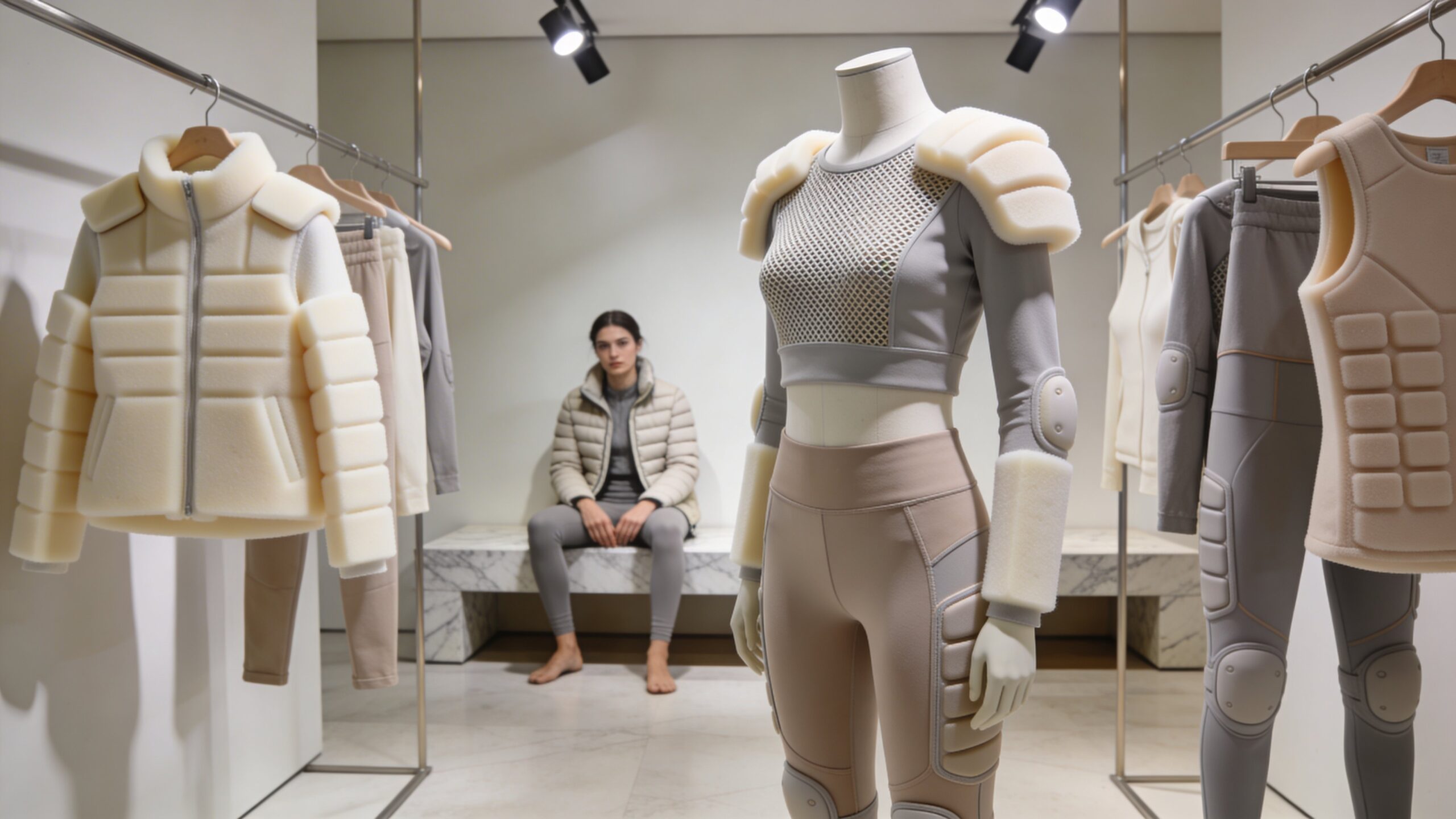
Foam padded clothing sits at the intersection of style, function, and modern material design. At its core, it is apparel made with strategically placed foam layers that add cushioning, structure, or impact resistance without completely sacrificing comfort or appearance. Unlike traditional bulky protective gear, foam padded clothing is designed to move with the body while offering a softer barrier between the wearer and the outside world. That makes it useful in a wide range of spaces, from sportswear and motorcycle apparel to performance costumes, workwear, medical garments, and even fashion-forward streetwear. What makes foam padded clothing especially interesting is how it reflects a shift in what consumers expect from garments. Clothing is no longer seen as only decorative or purely practical. More people now want pieces that perform multiple jobs at once. They want jackets that look sharp but offer protection, leggings that support high-motion activity, and padded tops or shorts that reduce discomfort without looking clinical. In this sense, foam padded clothing is not just a niche concept. It is part of a broader movement toward intelligent apparel, where material innovation shapes how we dress, move, and protect ourselves in everyday life.
A: It is clothing made with foam inserts or foam layers that add protection, comfort, support, or structure in specific parts of the garment.
A: No. It also appears in fashion, workwear, motorcycle gear, dancewear, adaptive apparel, outerwear, and specialty garments.
A: Not at all. Modern foam materials can be thin, light, and flexible, especially when placed carefully and paired with the right fabrics.
A: EVA and polyurethane foams are common, though more advanced garments may use engineered impact foams for extra performance.
A: Yes. Many of the best designs hide the padding inside sleek construction so the garment looks polished, modern, and intentional.
A: Foam compresses and helps spread force across a wider area, which can reduce the sharpness of impact or pressure.
A: It can be, especially when the padding is lightweight, breathable, and placed only where it provides a real comfort benefit.
A: Look at fit, foam placement, flexibility, breathability, seam quality, and whether the garment matches your actual use.
A: In well-made garments, yes. Good construction keeps foam anchored so it does not shift, bunch, or distort after repeated wear.
A: Because people increasingly want clothing that combines comfort, smart design, performance, and style in one wearable solution.
Why Foam Padding Changed the Conversation
For decades, padded clothing often carried a tradeoff. If a garment offered protection, it usually looked stiff, oversized, or obviously technical. Think of old football pads, rigid safety gear, or heavily insulated layers that valued performance over aesthetics. Foam technology helped change that equation. By creating lighter, more flexible, and more responsive cushioning systems, designers gained the ability to build garments that feel modern and wearable while still serving a protective purpose. This is one reason foam padded clothing has become increasingly popular across both performance and lifestyle categories. The appeal lies in subtlety. Foam can be hidden inside lining channels, sewn into sculpted panels, laminated between fabrics, or integrated into targeted zones such as hips, knees, elbows, shoulders, chest, and spine. Because of that versatility, padded clothing can look sleek rather than bulky. It can follow the lines of the body, add shape where needed, and create an almost architectural quality in a garment. That blend of beauty and function is what makes foam padded clothing such a compelling category. It does not merely soften impact. It also influences silhouette, structure, and the emotional experience of wearing a garment that feels safer and more purposeful.
How Foam Padded Clothing Actually Works
The basic idea behind foam padding is simple: absorb, disperse, or soften force. When an impact occurs, foam compresses and helps spread energy over a wider area, reducing the sharpness of the blow on the body. Different foams behave differently depending on density, thickness, cell structure, and formulation. Some are soft and plush, designed mostly for comfort. Others are firmer and engineered to deliver more serious impact management. In apparel, the choice of foam depends on the garment’s intended use. A dance costume, for example, may prioritize shape and lightweight softness, while a protective riding jacket may require denser inserts that handle repeated force more effectively.
Beyond impact protection, foam also contributes to insulation, body support, and design structure. In some garments, it helps create a clean sculpted line or adds dimension to a fashion piece. In others, it prevents pressure points during repetitive movement or long wear. Advanced foams may also include breathable perforations, moisture-management channels, or memory-like rebound properties that help the garment recover its shape after movement. This is why foam padded clothing should not be understood as one single thing. It is really a broad material strategy that can be customized for comfort, support, protection, style, or all four at once.
Types of Foam Used in Padded Garments
Several foam materials appear in modern padded clothing, and each offers different strengths. EVA foam is one of the most familiar because it is lightweight, flexible, and easy to shape. It is often used where softness and low weight matter. Polyurethane foam is another common option, especially in comfort-driven applications where a softer feel is preferred. Memory-style foams may appear in specialized garments that benefit from contouring, though they are less common in clothing that must stay highly breathable and agile. More performance-focused garments may use engineered impact foams that remain flexible during normal wear but stiffen or distribute force more effectively on impact.
The garment’s purpose usually determines the foam choice. Sports padding often balances flexibility with shock absorption. Fashion padding may lean more heavily on lightweight structure and visual form. Medical or recovery garments may use foam for pressure relief or controlled support. Thickness also matters. A thin foam insert can be almost invisible and ideal for subtle comfort zones, while thicker padding creates a more pronounced protective or sculptural effect. What truly separates quality foam padded clothing from cheap imitations is not just the presence of foam, but how intelligently the material is selected, cut, positioned, and integrated with the surrounding fabric and construction.
Where Foam Padded Clothing Shows Up Today
One of the reasons foam padded clothing is gaining more attention is that it appears in so many different settings. In sports and fitness, padded compression shorts, tops, and leggings help cushion falls or repeated contact. In motorcycle and cycling apparel, foam zones add a layer of safety at key impact points. In dance, theater, and costume design, foam helps shape garments and create dramatic silhouettes while keeping pieces lightweight enough to perform in. Workwear can also benefit from foam inserts, especially in tasks that involve kneeling, repetitive contact, or long periods of physical strain. Even baby products, adaptive apparel, and some post-surgical garments use foam to support comfort and reduce pressure.
Fashion designers have also embraced padding as a visual language. Quilted outerwear, sculpted shoulders, puffed details, and body-contouring garments often rely on foam or foam-like padding to create structure and volume. This is where the phrase “fashion meets protection” becomes especially accurate. Foam padded clothing is no longer confined to purely protective markets. It is influencing how designers think about proportion, texture, and performance. A garment can look futuristic, soft, sporty, tailored, or dramatic, all while quietly using foam to solve practical problems behind the scenes.
Benefits That Go Beyond Basic Protection
The most obvious benefit of foam padded clothing is added cushioning, but that is only the beginning. Comfort is a major advantage. Well-placed padding can reduce friction, soften pressure, and make high-movement garments feel more forgiving over long periods. It can also improve confidence. Athletes, riders, performers, and workers often move differently when they know vulnerable areas have an extra layer of protection. That psychological benefit matters. Feeling supported can influence posture, motion, and willingness to perform at a higher level.
Another major benefit is versatility. Foam can be adapted for warmth, support, shaping, and durability. It can reinforce delicate-looking garments, help preserve a garment’s intended silhouette, or make an outfit more wearable in demanding conditions. In fashion, padding can create presence without relying on heavy materials. In performance apparel, it can add function without overwhelming the body. Good foam padded clothing also helps distribute stress across the garment itself, potentially improving longevity in high-wear zones. The best designs achieve all of this while remaining breathable, flexible, and visually refined, which is why material engineering plays such a central role in this category.
What to Look for When Choosing Foam Padded Clothing
When shopping for foam padded clothing, it helps to look beyond the word “padded” on the label. Not all padding is equal, and the quality of the garment depends heavily on foam placement, garment fit, and overall construction. Start by thinking about the real purpose of the piece. Is it meant for impact protection, comfort during movement, shape enhancement, or a blend of all three? Once that is clear, evaluate whether the padding appears targeted and thoughtful. Random bulk is rarely a sign of quality. Good design usually places padding in areas that genuinely benefit from support while allowing freedom of motion everywhere else.
Fabric pairing matters just as much as the foam itself. The surrounding textile should breathe well, recover its shape, and hold the padding in place without shifting. Seams should feel secure, and the garment should not bunch or twist when worn. It is also worth considering weight, washability, and how the garment looks when padding is in motion. A piece can feel impressive on a hanger but awkward in real-world use if the foam is too stiff or poorly anchored. The strongest padded garments feel intentional. They protect or support the body while still behaving like clothing rather than equipment.
The Future of Fashion Meets Protection
Foam padded clothing is likely to become even more sophisticated as textile innovation continues. We are already seeing smarter material blends, lighter impact foams, improved breathability, and more body-mapped garment engineering. Designers increasingly understand that consumers do not want to choose between aesthetics and performance. They want pieces that look polished, feel comfortable, and offer real value in motion. This demand is pushing padded apparel into new territory, including more elegant everyday pieces, adaptive wear, premium outerwear, and hybrid garments that combine athletic inspiration with elevated design. In the years ahead, foam padded clothing may feel less like a specialty category and more like a normal part of modern wardrobes. As materials become slimmer, softer, and more responsive, padding will likely disappear further into the construction of garments while still doing important work. That is the real promise of this category. It is not about making clothing look armored or overbuilt. It is about making garments smarter, more supportive, and more capable. Foam padded clothing proves that protection does not have to come at the expense of beauty. In the best designs, protection becomes part of the beauty.