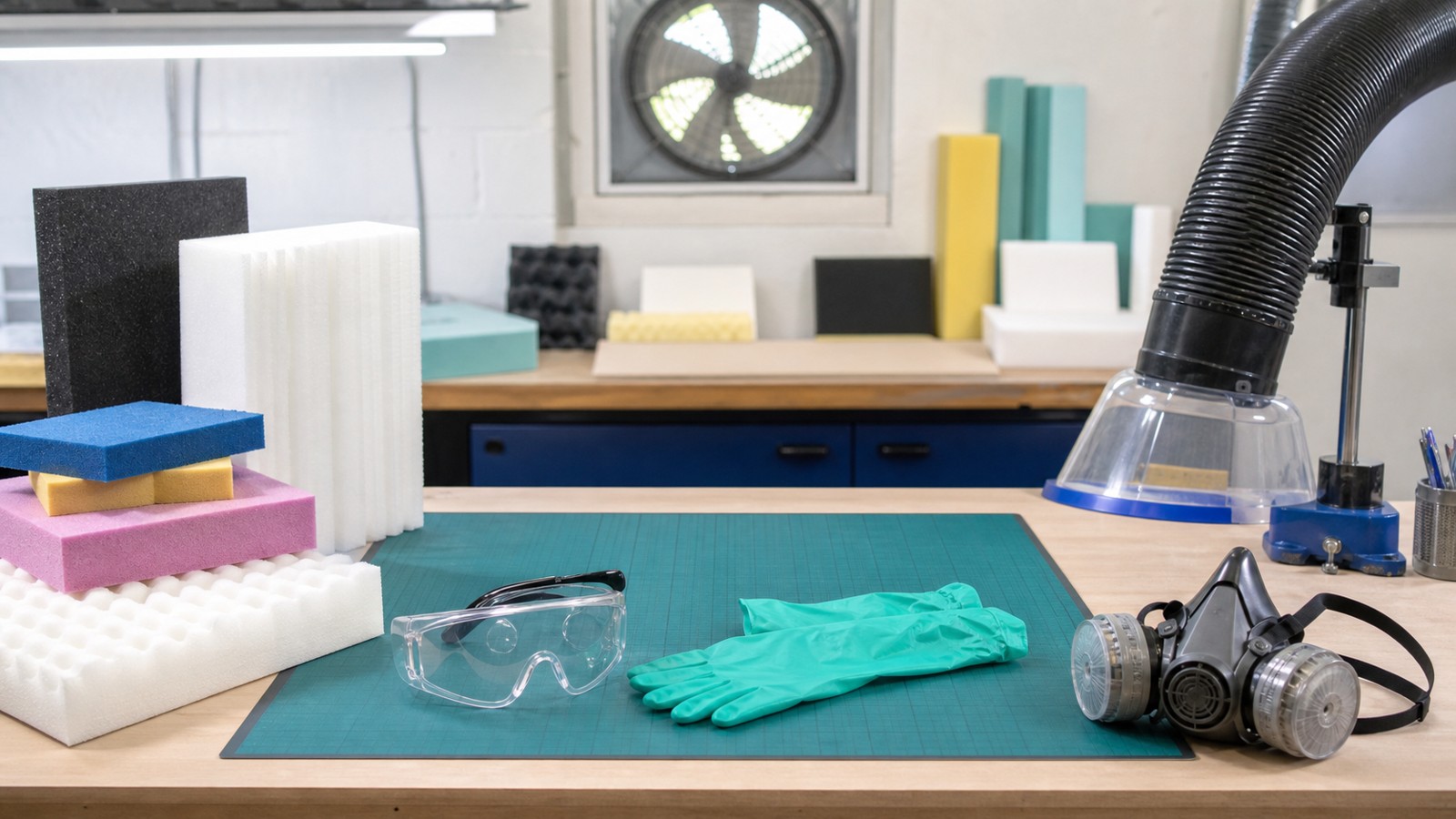
Understanding Safety: Handling, Toxicity, and Protective Measures in Real Use
Safety: Handling, Toxicity, and Protective Measures gives buyers and builders a way to compare comfort, safety, durability, cost, and cleanup before committing. For shop managers, home makers, teachers, and anyone cutting or finishing foam, the useful answer is not just what it is, but how safety handling, handling toxicity, and toxicity protective affect the way the foam performs after purchase, installation, cleaning, or reuse.
What the Term Means
The decision becomes clearer when safety handling is compared with protective instead of judged by appearance alone. For this article, the important distinction is how safety: handling, toxicity, and protective measures behaves after ordinary setup, inspection, and repeated use. That keeps the explanation tied to safety handling, protective measures, and protective rather than drifting into general foam advice. A reader should leave this section knowing what to look for, what to question, and what kind of evidence would make the choice feel dependable.
In everyday use, safety often reveals whether what the term means is a smart fit or just a good-sounding claim. For this article, the important distinction is how safety: handling, toxicity, and protective measures behaves after ordinary setup, inspection, and repeated use. That keeps the explanation tied to handling toxicity, safety, and measures rather than drifting into general foam advice. A reader should leave this section knowing what to look for, what to question, and what kind of evidence would make the choice feel dependable.
Material Details That Change the Result
In everyday use, handling often reveals whether material details that change the result is a smart fit or just a good-sounding claim. For this article, the important distinction is how safety: handling, toxicity, and protective measures behaves after ordinary setup, inspection, and repeated use. That keeps the explanation tied to handling toxicity, handling, and shop workflow rather than drifting into general foam advice. A reader should leave this section knowing what to look for, what to question, and what kind of evidence would make the choice feel dependable.
For shop managers, home makers, teachers, and anyone cutting or finishing foam, toxicity protective and surface condition should be checked before price, color, or convenience takes over the decision. For this article, the important distinction is how safety: handling, toxicity, and protective measures behaves after ordinary setup, inspection, and repeated use. That keeps the explanation tied to toxicity protective, toxicity, and surface condition rather than drifting into general foam advice. A reader should leave this section knowing what to look for, what to question, and what kind of evidence would make the choice feel dependable.
The detail that prevents trouble is usually protective, especially when safety: handling, toxicity, and protective measures will be handled, cleaned, moved, or stored repeatedly. For this article, the important distinction is how safety: handling, toxicity, and protective measures behaves after ordinary setup, inspection, and repeated use. That keeps the explanation tied to protective measures, protective, and handling risk rather than drifting into general foam advice. A reader should leave this section knowing what to look for, what to question, and what kind of evidence would make the choice feel dependable.
Planning Before You Buy or Build
For shop managers, home makers, teachers, and anyone cutting or finishing foam, toxicity protective and cleaning plan should be checked before price, color, or convenience takes over the decision. For this article, the important distinction is how safety: handling, toxicity, and protective measures behaves after ordinary setup, inspection, and repeated use. That keeps the explanation tied to toxicity protective, protective, and cleaning plan rather than drifting into general foam advice. A reader should leave this section knowing what to look for, what to question, and what kind of evidence would make the choice feel dependable.
Safety and Durability Checks
The detail that prevents trouble is usually material choice, especially when safety: handling, toxicity, and protective measures will be handled, cleaned, moved, or stored repeatedly. For this article, the important distinction is how safety: handling, toxicity, and protective measures behaves after ordinary setup, inspection, and repeated use. That keeps the explanation tied to protective measures, material choice, and daily use rather than drifting into general foam advice. A reader should leave this section knowing what to look for, what to question, and what kind of evidence would make the choice feel dependable.
A stronger plan treats durability check as part of the project from the start, not as a repair step after the foam is already installed. For this article, the important distinction is how safety: handling, toxicity, and protective measures behaves after ordinary setup, inspection, and repeated use. That keeps the explanation tied to safety, shop workflow, and durability check rather than drifting into general foam advice. A reader should leave this section knowing what to look for, what to question, and what kind of evidence would make the choice feel dependable.
Cost, Waste, and Maintenance
A stronger plan treats handling toxicity as part of the project from the start, not as a repair step after the foam is already installed. For this article, the important distinction is how safety: handling, toxicity, and protective measures behaves after ordinary setup, inspection, and repeated use. That keeps the explanation tied to safety, surface condition, and handling toxicity rather than drifting into general foam advice. A reader should leave this section knowing what to look for, what to question, and what kind of evidence would make the choice feel dependable.
When handling is ignored, cost, waste, and maintenance can look acceptable at first and still disappoint once pressure, heat, moisture, traffic, or time enters the picture. For this article, the important distinction is how safety: handling, toxicity, and protective measures behaves after ordinary setup, inspection, and repeated use. That keeps the explanation tied to handling, handling risk, and toxicity protective rather than drifting into general foam advice. A reader should leave this section knowing what to look for, what to question, and what kind of evidence would make the choice feel dependable.
A useful way to judge cost, waste, and maintenance is to start with toxicity, then connect it to cleaning plan. For this article, the important distinction is how safety: handling, toxicity, and protective measures behaves after ordinary setup, inspection, and repeated use. That keeps the explanation tied to toxicity, cleaning plan, and protective measures rather than drifting into general foam advice. A reader should leave this section knowing what to look for, what to question, and what kind of evidence would make the choice feel dependable.
Mistakes That Create Extra Work
When handling is ignored, mistakes that create extra work can look acceptable at first and still disappoint once pressure, heat, moisture, traffic, or time enters the picture. For this article, the important distinction is how safety: handling, toxicity, and protective measures behaves after ordinary setup, inspection, and repeated use. That keeps the explanation tied to handling, cleaning plan, and safety rather than drifting into general foam advice. A reader should leave this section knowing what to look for, what to question, and what kind of evidence would make the choice feel dependable.
A useful way to judge mistakes that create extra work is to start with toxicity, then connect it to storage method. For this article, the important distinction is how safety: handling, toxicity, and protective measures behaves after ordinary setup, inspection, and repeated use. That keeps the explanation tied to toxicity, storage method, and handling rather than drifting into general foam advice. A reader should leave this section knowing what to look for, what to question, and what kind of evidence would make the choice feel dependable.
For shop managers, home makers, teachers, and anyone cutting or finishing foam, material choice and daily use should be checked before price, color, or convenience takes over the decision. For this article, the important distinction is how safety: handling, toxicity, and protective measures behaves after ordinary setup, inspection, and repeated use. That keeps the explanation tied to material choice, protective measures, and daily use rather than drifting into general foam advice. A reader should leave this section knowing what to look for, what to question, and what kind of evidence would make the choice feel dependable.
When handling risk is ignored, material details that change the result can look acceptable at first and still disappoint once pressure, heat, moisture, traffic, or time enters the picture. For this article, the important distinction is how safety: handling, toxicity, and protective measures behaves after ordinary setup, inspection, and repeated use. That keeps the explanation tied to handling risk, measures, and handling rather than drifting into general foam advice. A reader should leave this section knowing what to look for, what to question, and what kind of evidence would make the choice feel dependable.
In everyday use, cleaning plan often reveals whether planning before you buy or build is a smart fit or just a good-sounding claim. For this article, the important distinction is how safety: handling, toxicity, and protective measures behaves after ordinary setup, inspection, and repeated use. That keeps the explanation tied to supplier claims, cleaning plan, and handling risk rather than drifting into general foam advice. A reader should leave this section knowing what to look for, what to question, and what kind of evidence would make the choice feel dependable.
A stronger plan treats handling toxicity as part of the project from the start, not as a repair step after the foam is already installed. For this article, the important distinction is how safety: handling, toxicity, and protective measures behaves after ordinary setup, inspection, and repeated use. That keeps the explanation tied to safety handling, safety handling, and handling toxicity rather than drifting into general foam advice. A reader should leave this section knowing what to look for, what to question, and what kind of evidence would make the choice feel dependable.
The decision becomes clearer when protective measures is compared with measures instead of judged by appearance alone. For this article, the important distinction is how safety: handling, toxicity, and protective measures behaves after ordinary setup, inspection, and repeated use. That keeps the explanation tied to protective measures, handling, and measures rather than drifting into general foam advice. A reader should leave this section knowing what to look for, what to question, and what kind of evidence would make the choice feel dependable.
The detail that prevents trouble is usually shop workflow, especially when safety: handling, toxicity, and protective measures will be handled, cleaned, moved, or stored repeatedly. For this article, the important distinction is how safety: handling, toxicity, and protective measures behaves after ordinary setup, inspection, and repeated use. That keeps the explanation tied to toxicity, shop workflow, and supplier claims rather than drifting into general foam advice. A reader should leave this section knowing what to look for, what to question, and what kind of evidence would make the choice feel dependable.
The decision becomes clearer when protective measures is compared with safety instead of judged by appearance alone. For this article, the important distinction is how safety: handling, toxicity, and protective measures behaves after ordinary setup, inspection, and repeated use. That keeps the explanation tied to protective measures, protective measures, and safety rather than drifting into general foam advice. A reader should leave this section knowing what to look for, what to question, and what kind of evidence would make the choice feel dependable.
Final Takeaway
Keep the decision simple: choose the option that fits the setting, the material, and the maintenance plan.