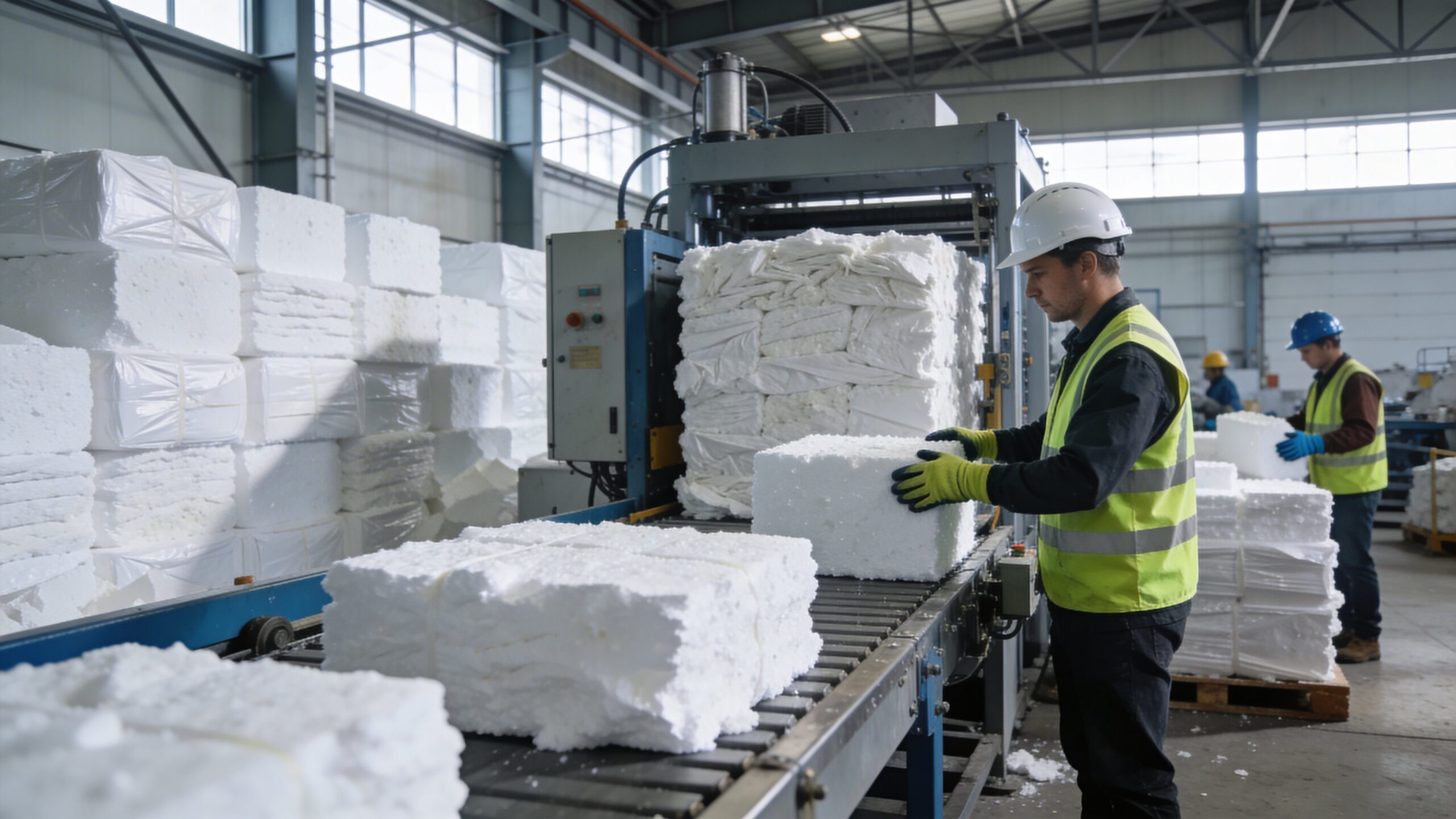
Foam Sealant Closes Small Leaks That Waste Energy
Foam sealant is an expanding or low-expansion polyurethane product used to fill gaps, cracks, joints, and penetrations around a building. It helps reduce drafts, pest paths, moisture entry, and energy loss when it is applied in the right size gap with the right expansion level and allowed to cure before trimming or finishing.
What Foam Sealant Does
Foam sealant works by expanding after application and curing into a lightweight cellular material that fills irregular spaces. Around homes, those spaces often appear beside window frames, at pipe penetrations, around sill plates, near exterior wall holes, and inside utility openings. The foam helps block uncontrolled air movement, which can make a room feel drafty even when insulation is present.
The sealant is not meant to replace framing, flashing, caulk, or proper weatherproofing. It is a gap-filling air-sealing material. Used well, it supports comfort and efficiency; used carelessly, it can bulge trim, trap moisture, or create a messy repair that is difficult to clean.
Expansion Levels
Standard expanding foam can grow substantially after it leaves the can. That makes it useful for larger voids, but risky around delicate frames or narrow cavities. Low-expansion window and door foam is designed to reduce pressure so it does not bow jambs or interfere with operation.
Big-gap foams are built for wider openings, while fire-blocking foams are used only where their listed use matches the application. Pest-blocking products may include additives or denser cured foam, but they still need good placement. The label matters because different foams solve different problems.
A common mistake is choosing the biggest expansion for every job. The better choice is the smallest expansion that fills the gap completely without pushing surrounding materials out of position.
Energy Efficiency Benefits
Air leaks waste energy because conditioned indoor air escapes while outdoor air enters. In winter that can mean cold drafts; in summer it can mean humid hot air sneaking into cooled rooms. Foam sealant helps when the leak path is small enough and accessible enough to seal properly.
Where It Works Best
Foam sealant works well around plumbing penetrations, cable entries, rim-joist gaps, attic bypasses, garage wall openings, and rough framing cracks. It can also help around window and door rough openings when the correct low-expansion product is used. The best targets are gaps where air movement is the problem and the surrounding materials can tolerate foam.
It is less appropriate for moving joints, exterior surfaces exposed to sunlight, wet areas without proper drainage, or gaps that need a flexible finished caulk line. Cured foam can degrade under UV light, so exposed exterior foam should be protected or covered according to the repair plan.
Application Technique
Good application starts with cleaning the area and planning the bead. Foam sticks aggressively, so gloves, eye protection, drop cloths, and masking are practical necessities. The nozzle should be inserted into the gap enough to place the foam where it belongs, and the space should not be overfilled. Many foams continue expanding after the first pass.
Curing time depends on product, bead size, temperature, and humidity. Trimming too early can tear the foam or expose uncured material. Once cured, excess foam can be cut back and covered with trim, caulk, paint, or another finish where appropriate.
Can management matters too. One-component cans can clog if left unused, and straw nozzles are not always easy to restart. For many small jobs, it is smart to prepare every target gap before opening the can.
Moisture and Safety
Foam sealant should not be used to hide active leaks. If water is entering around a window, roofline, foundation crack, or pipe, the source of water must be fixed first. Foam may block air, but it is not a substitute for flashing, drainage, or structural repair.
Some foam sealants are flammable during application and curing, and many require ventilation. The product label should guide protective equipment, ignition precautions, cure time, and disposal. In fire-rated or code-sensitive locations, only approved products and assemblies should be used.
Choosing the Right Product
Choose low-expansion foam for windows and doors, larger-gap foam for irregular voids, and specialized products only when the use matches the label. For visible finish joints, use caulk instead of foam. For deep cavities, apply in layers if the product recommends it.
Foam sealant is most effective when it is part of an air-sealing plan. Find the leaks, choose the right expansion, apply carefully, and cover the cured foam where it needs protection.
Finding Leaks Before Filling Gaps
The most successful foam sealant projects begin with finding the actual leak path. A visible crack is not always the only path air is using. Drafts may come through hidden framing connections, attic bypasses, basement rim joists, or utility penetrations that connect to larger cavities. Sealing only the decorative surface can make the repair look finished while the leak continues behind it.
Homeowners can start with touch, dust patterns, seasonal comfort complaints, and careful inspection during windy weather. Larger energy audits may use blower-door testing to exaggerate leaks and show where sealing will matter most. Foam sealant is most satisfying when it is applied to a confirmed air path rather than every random gap in sight.
After the Foam Cures
The job is not finished the moment the foam expands. Cured foam may need trimming, covering, painting, or protection from sunlight. Interior repairs may need trim or caulk for appearance. Exterior repairs may need weather-resistant covering because UV light can break down exposed foam. A neat finish protects the repair and keeps the house looking cared for.
The cured foam should also be checked for missed voids. Sometimes the surface looks full while the back of the gap remains open, especially in deep or irregular cavities. Applying foam in controlled layers, then inspecting after cure, creates a better seal than trying to fill a deep opening in one aggressive pass.
Used well, foam sealant is a small product with a noticeable comfort effect. Used poorly, it becomes a sticky lump in the wrong place. The difference is patient placement.
How Foam Sealant Fits With Caulk and Insulation
Foam sealant, caulk, and insulation often work together, but they do different jobs. Caulk is better for narrow finished joints and areas that need a neat paintable line. Insulation slows heat movement across larger cavities. Foam sealant fills irregular gaps and helps stop air movement where caulk would be too thin or insulation would not block leakage. Knowing the difference prevents messy overuse.
A common repair might use foam deep in a rough opening, then trim or caulk at the visible surface. Another repair might use rigid insulation for a larger area and foam only at the edges. The cleanest projects use each material where it performs best. That approach also makes future maintenance easier because the finished surface is not buried under uncontrolled expansion.
Foam sealant should be kept away from mechanisms that need to move. Window tracks, door hardware, weep holes, vents, and drainage paths can be damaged if foam expands into them. Masking and restraint are part of good air sealing.
Seasonal Checks Around the House
The best time to find foam-sealant projects is often during seasonal change. Cold drafts in winter, hot rooms in summer, and insects appearing near utility penetrations can all point to gaps worth inspecting. A slow walk around the basement, attic, garage, and exterior wall penetrations can produce a focused repair list.
That list should be prioritized. Seal the leaks connected to comfort, pests, moisture risk, or obvious energy loss before tackling cosmetic cracks. Foam is most valuable when it solves a real pathway, not when it is used as filler for every imperfection.
A practical field check for home air sealing is the relationship between gap size and expansion choice. For homeowners, renters with permission, and DIY repair readers, that relationship keeps what is foam sealant? gaps, cracks, and energy efficiency grounded in the way the material is actually handled, cleaned, stored, inspected, or used after the first application. If gap size is ignored, the project can look correct at first while the weaker detail appears later as comfort loss, surface failure, poor cleaning, peeling, drafts, or avoidable replacement. That is why the best recommendation is not simply to choose foam, but to match the foam product and routine to the condition the title names.
One real-use detail for home air sealing is the relationship between air leaks and energy loss. For homeowners, renters with permission, and DIY repair readers, that relationship keeps what is foam sealant? gaps, cracks, and energy efficiency grounded in the way the material is actually handled, cleaned, stored, inspected, or used after the first application. If air leaks is ignored, the project can look correct at first while the weaker detail appears later as comfort loss, surface failure, poor cleaning, peeling, drafts, or avoidable replacement. That is why the best recommendation is not simply to choose foam, but to match the foam product and routine to the condition the title names.
A buying or project note for home air sealing is the relationship between window frames and low-expansion foam. For homeowners, renters with permission, and DIY repair readers, that relationship keeps what is foam sealant? gaps, cracks, and energy efficiency grounded in the way the material is actually handled, cleaned, stored, inspected, or used after the first application. If window frames is ignored, the project can look correct at first while the weaker detail appears later as comfort loss, surface failure, poor cleaning, peeling, drafts, or avoidable replacement. That is why the best recommendation is not simply to choose foam, but to match the foam product and routine to the condition the title names.
A maintenance-minded check for home air sealing is the relationship between curing time and clean trimming. For homeowners, renters with permission, and DIY repair readers, that relationship keeps what is foam sealant? gaps, cracks, and energy efficiency grounded in the way the material is actually handled, cleaned, stored, inspected, or used after the first application. If curing time is ignored, the project can look correct at first while the weaker detail appears later as comfort loss, surface failure, poor cleaning, peeling, drafts, or avoidable replacement. That is why the best recommendation is not simply to choose foam, but to match the foam product and routine to the condition the title names.
A common troubleshooting step for home air sealing is the relationship between UV exposure and finish protection. For homeowners, renters with permission, and DIY repair readers, that relationship keeps what is foam sealant? gaps, cracks, and energy efficiency grounded in the way the material is actually handled, cleaned, stored, inspected, or used after the first application. If UV exposure is ignored, the project can look correct at first while the weaker detail appears later as comfort loss, surface failure, poor cleaning, peeling, drafts, or avoidable replacement. That is why the best recommendation is not simply to choose foam, but to match the foam product and routine to the condition the title names.
A better comparison point for home air sealing is the relationship between water leaks and repair sequence. For homeowners, renters with permission, and DIY repair readers, that relationship keeps what is foam sealant? gaps, cracks, and energy efficiency grounded in the way the material is actually handled, cleaned, stored, inspected, or used after the first application. If water leaks is ignored, the project can look correct at first while the weaker detail appears later as comfort loss, surface failure, poor cleaning, peeling, drafts, or avoidable replacement. That is why the best recommendation is not simply to choose foam, but to match the foam product and routine to the condition the title names.
Final Takeaway
Fill leaks carefully, not aggressively.