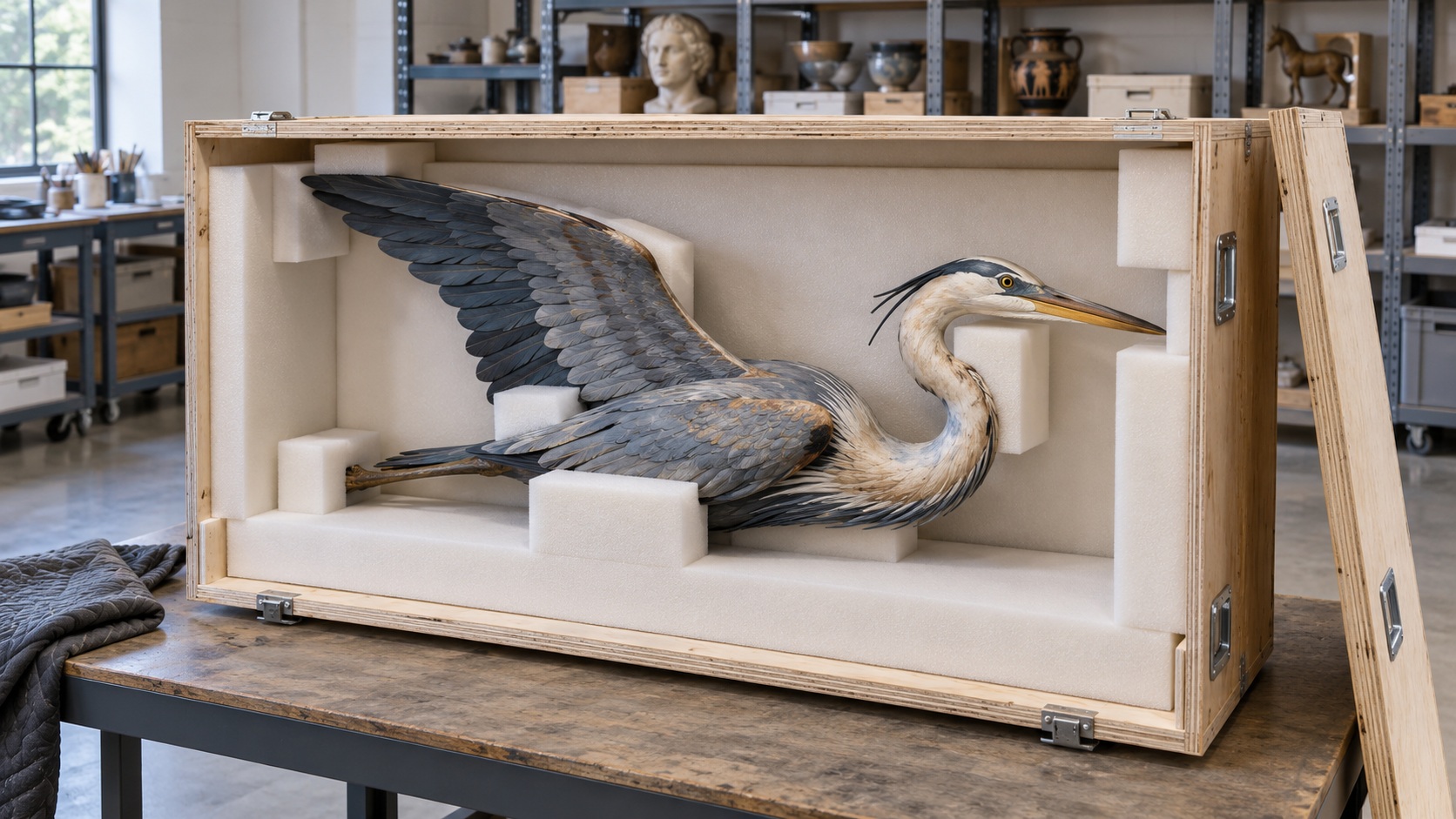
Storage Challenges: Keeping Foam Sculptures Intact
Preserve foam sculptures through deliberate supports, finish-compatible packing, environmental checks, and records that make retrieval predictable.

From Blocks to Masterpieces
Preserve foam sculptures through deliberate supports, finish-compatible packing, environmental checks, and records that make retrieval predictable.
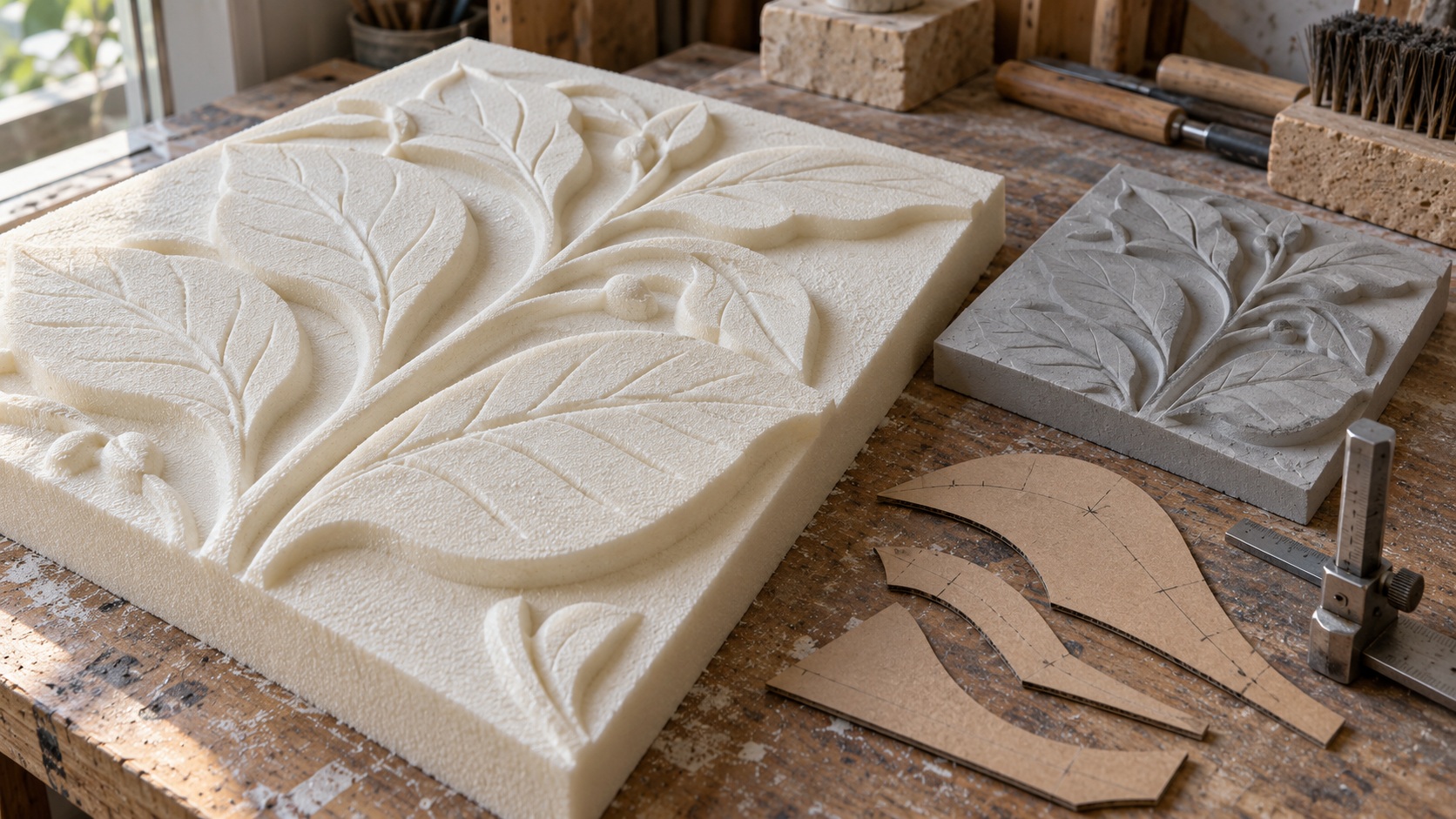
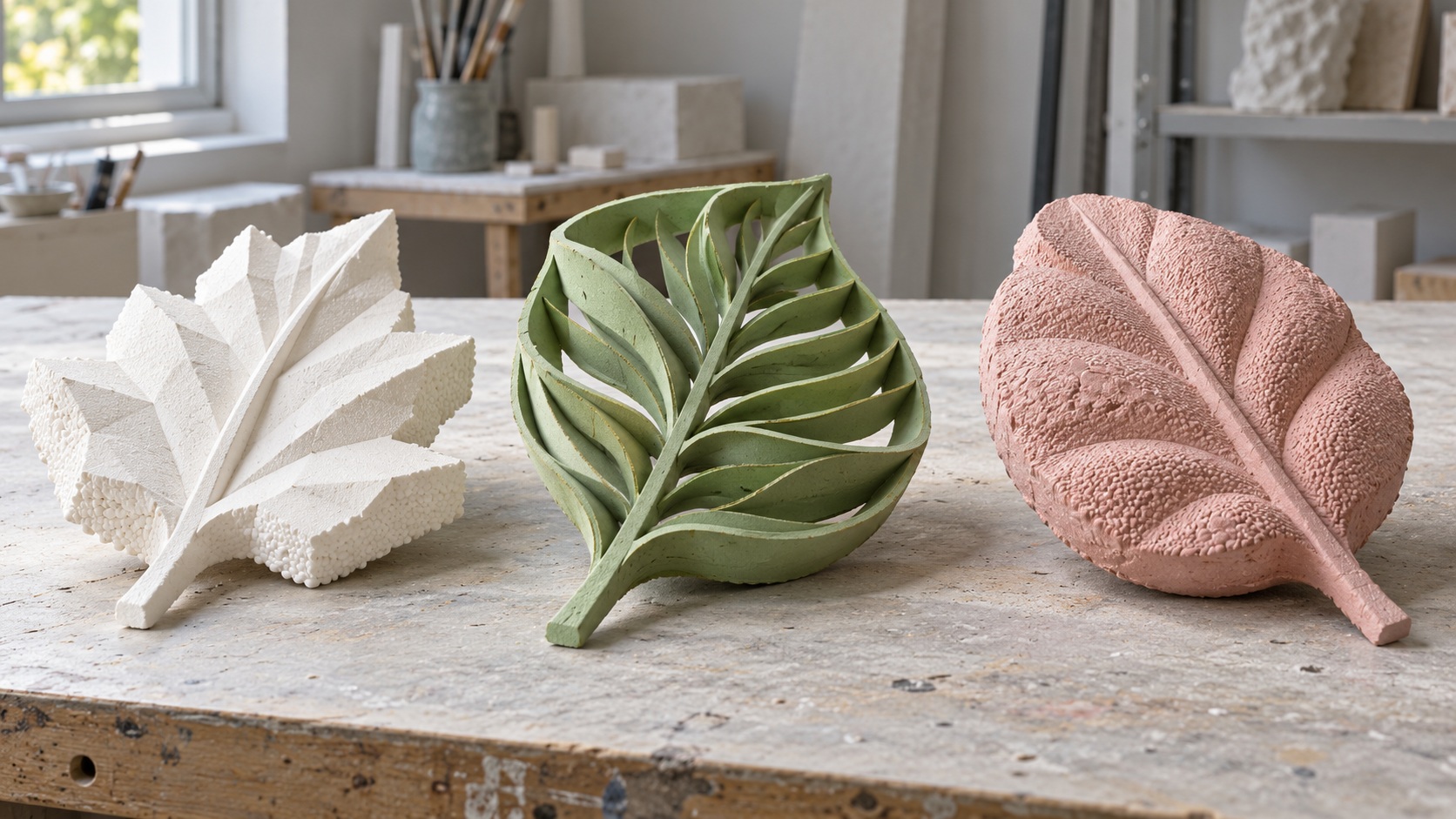
Precise foam carving depends on cellular structure, reliable references, tool access, and finishing allowances, not simply finer tools.
Finished foam sculptures combine materials that can defeat otherwise available recycling routes. Learn how sorting, design, and realistic reuse change the outcome.
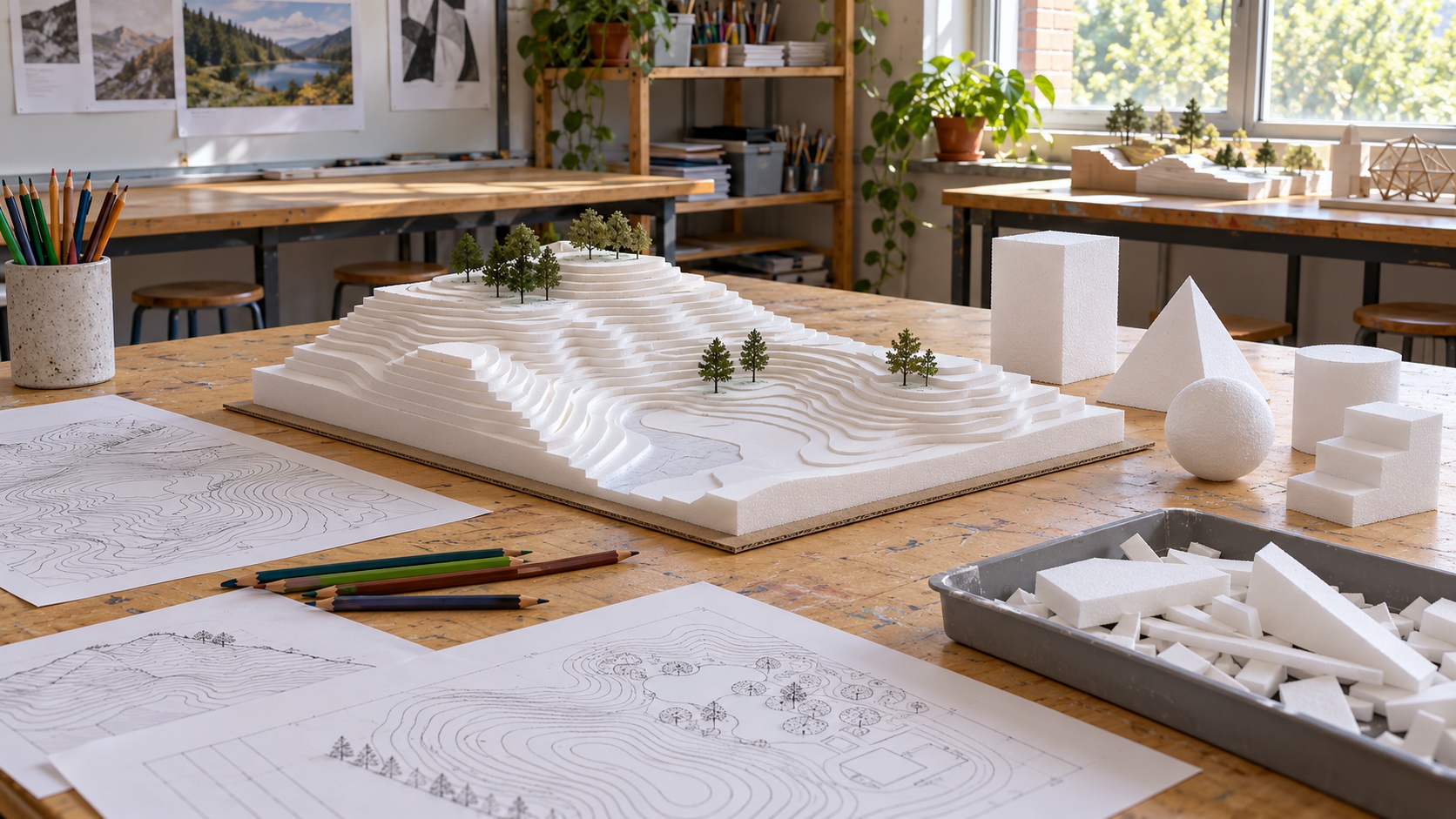
Foam models can support spatial reasoning and creative revision when lessons also address participation, supervision, assessment, and waste.
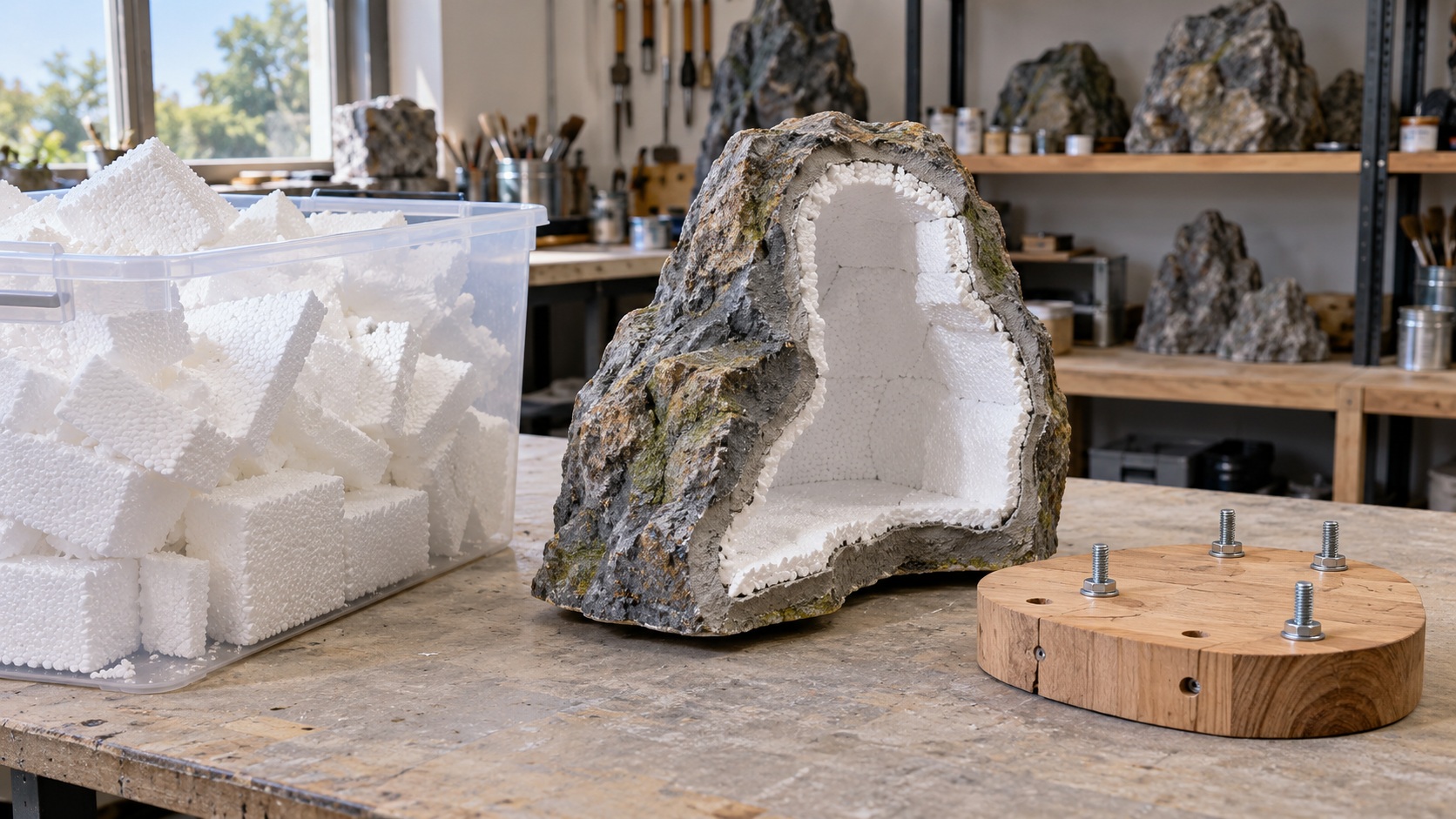
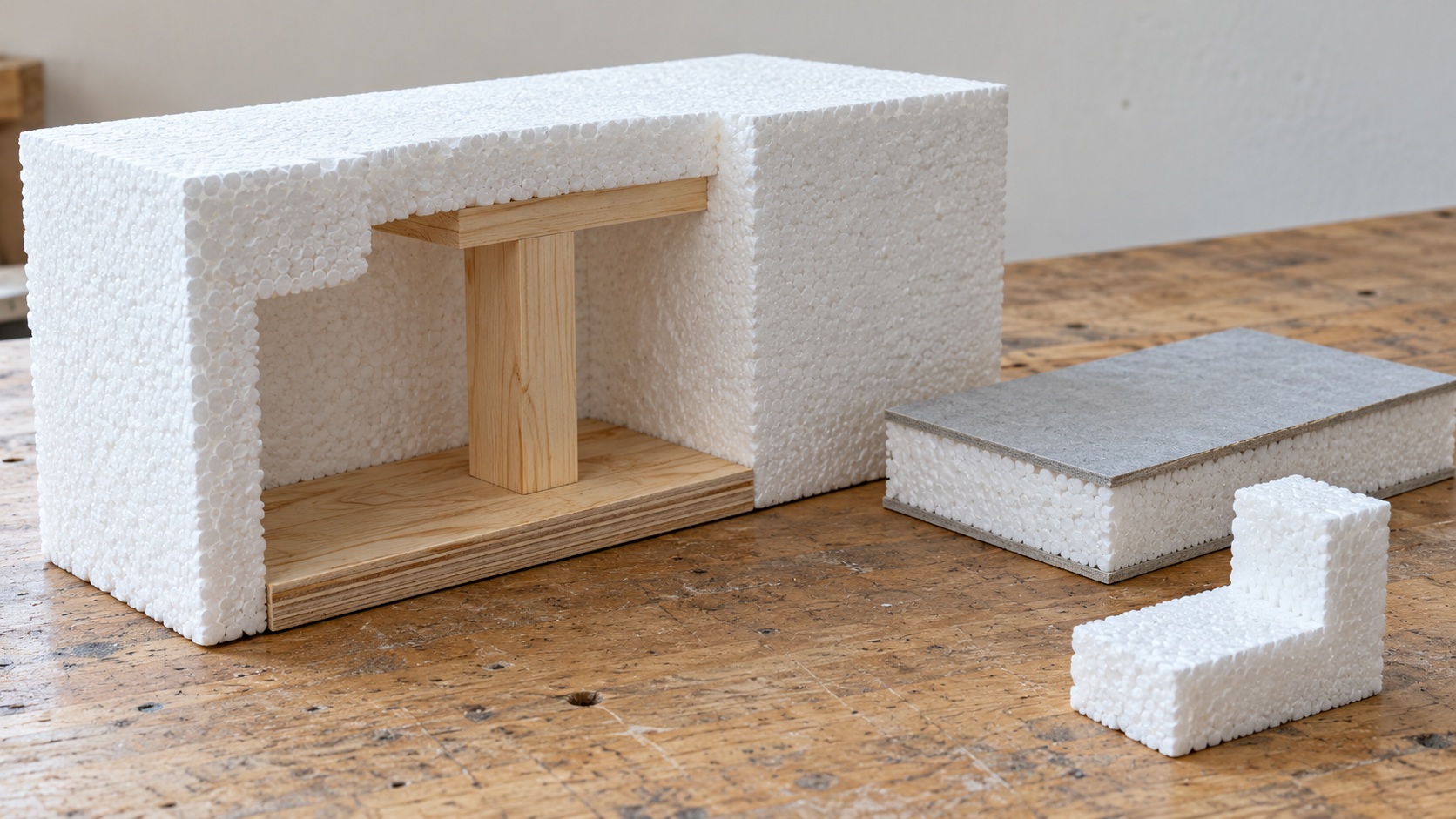
Why foam reinforcement must address specific mechanical weaknesses, from thin features and crushing to armatures, engineered skins, connections, and sustained loads.
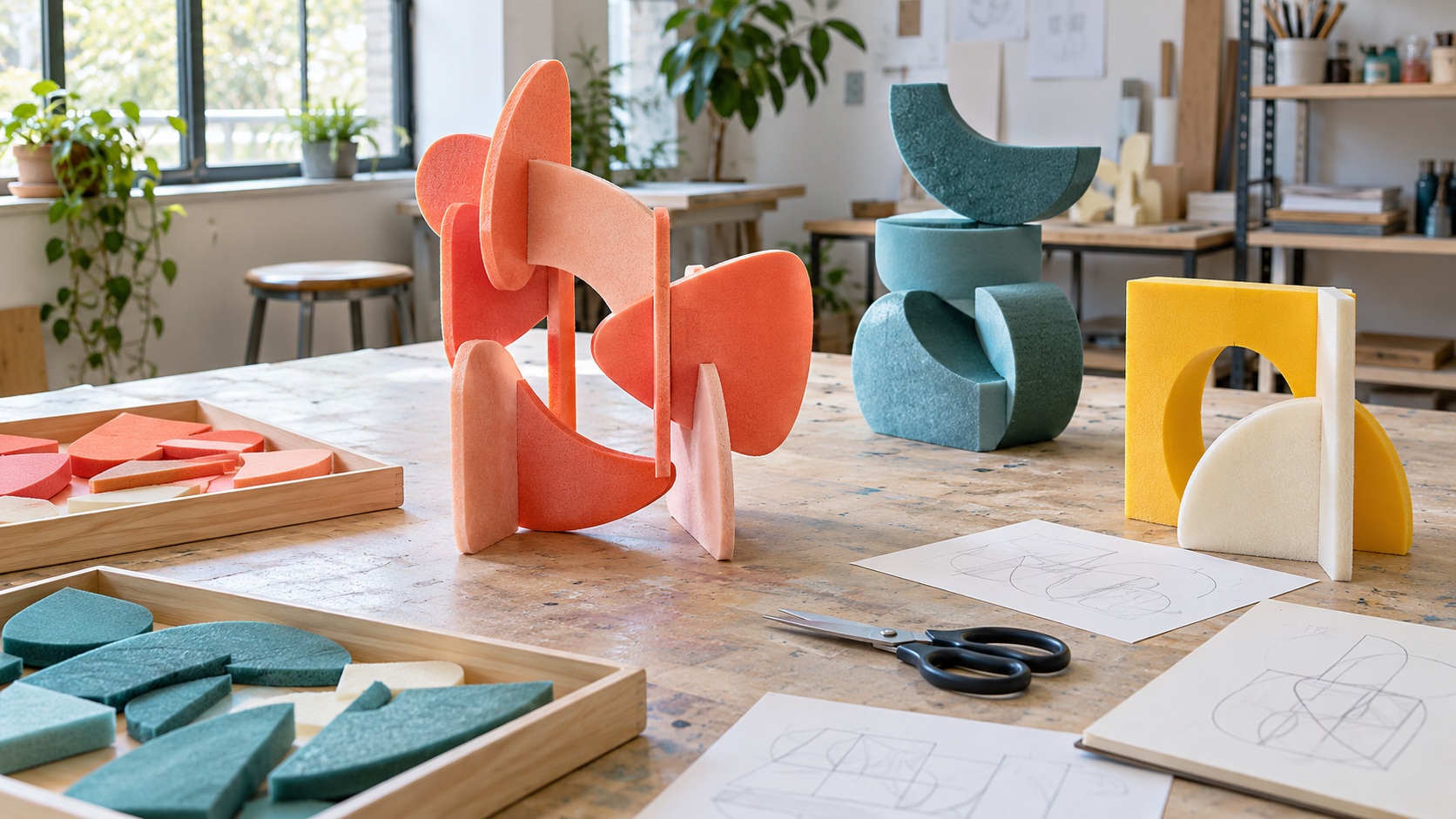
Foam’s creative range through carving, sheet construction, inherited packaging shapes, expansion, and surface choices, with documented contemporary artist examples.
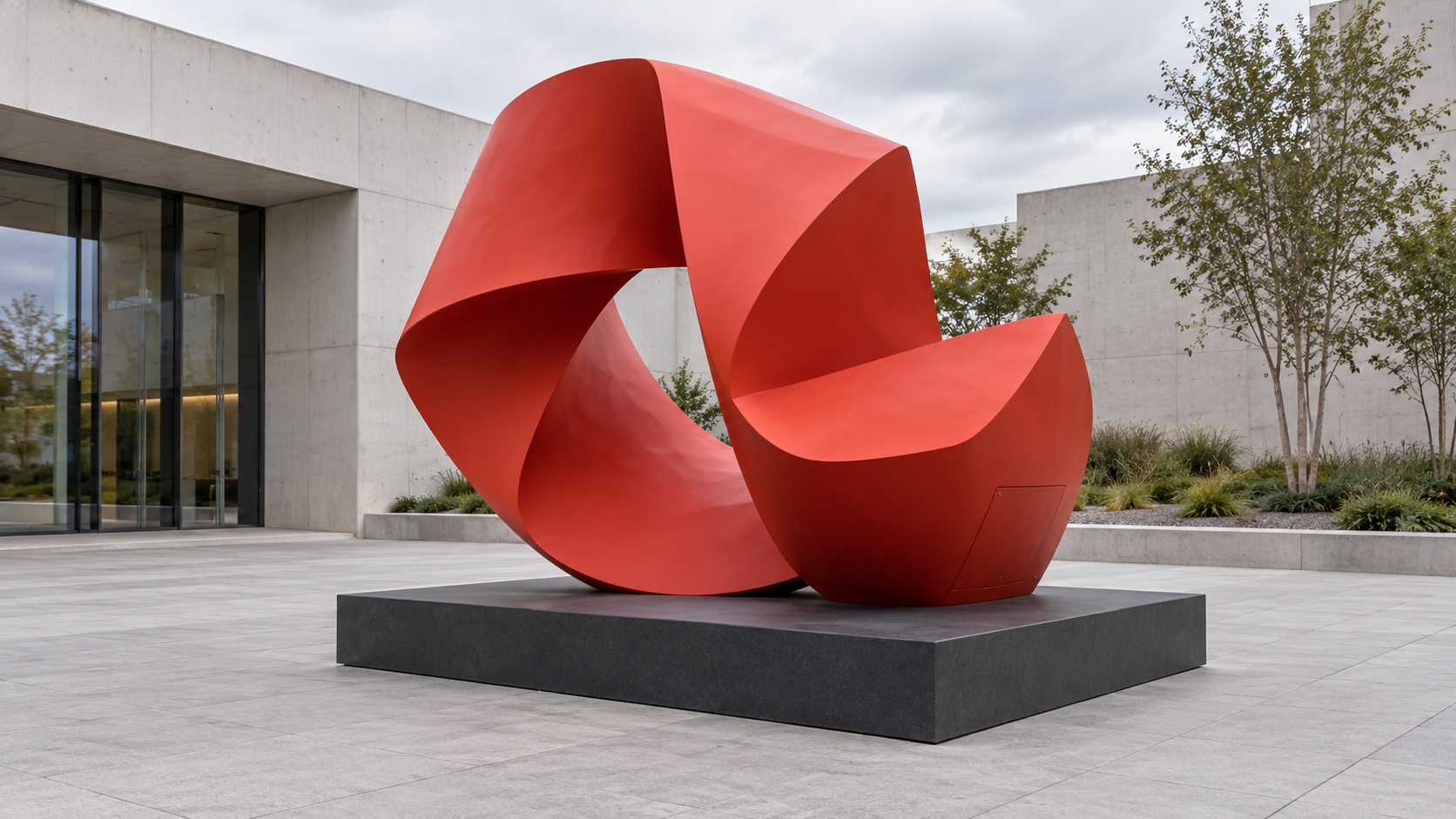
Foam’s public-art scale benefits considered alongside site exposure, public contact, complete-assembly design, funded maintenance, and responsible retirement.
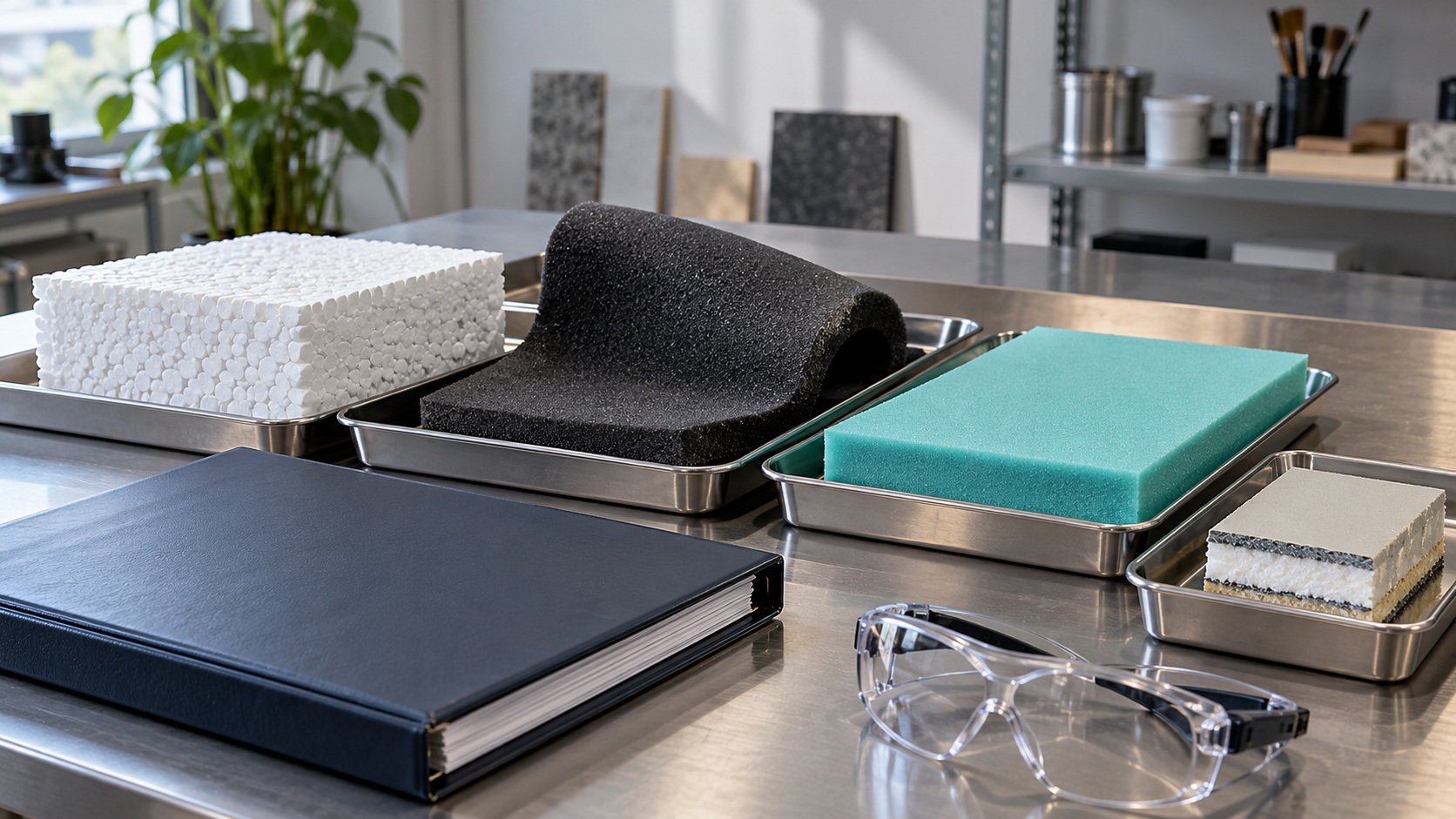
A product- and process-specific explanation of foam toxicity concerns in art, separating cured stock, reactive ingredients, dust, heat, finishes, and later handling.
A source-grounded account of how foam can lower selected barriers to sculpture while teaching, space, tools, and meaningful authorship still shape access.
Foam sculptures captivate with their lightness and versatility, but can they truly last? From protective coatings to museum conservation efforts, their longevity remains debated. While foam may never rival stone’s permanence, innovation and careful stewardship reveal its potential to endure for decades. The real question: is permanence the goal, or is ephemerality part of the art?
Foam’s role in modern life sparks a heated sustainability debate. While criticized for pollution and waste, it also offers energy efficiency, portability, and potential eco-friendly innovations. From bio-based foams to advanced recycling, the future of foam hinges on responsible use and cultural change. Is foam truly sustainable, or just a material in transition?
Foam has revolutionized traveling sculpture by offering unmatched portability, durability, and affordability. From international exhibitions to community art spaces, its lightweight strength allows artists to showcase large-scale works globally without the heavy costs of transport. This practical medium bridges creativity and logistics, making art more mobile and accessible than ever before.