Turning Sanding Dust into Texture: Waste-to-Finish Recipes that Actually Work

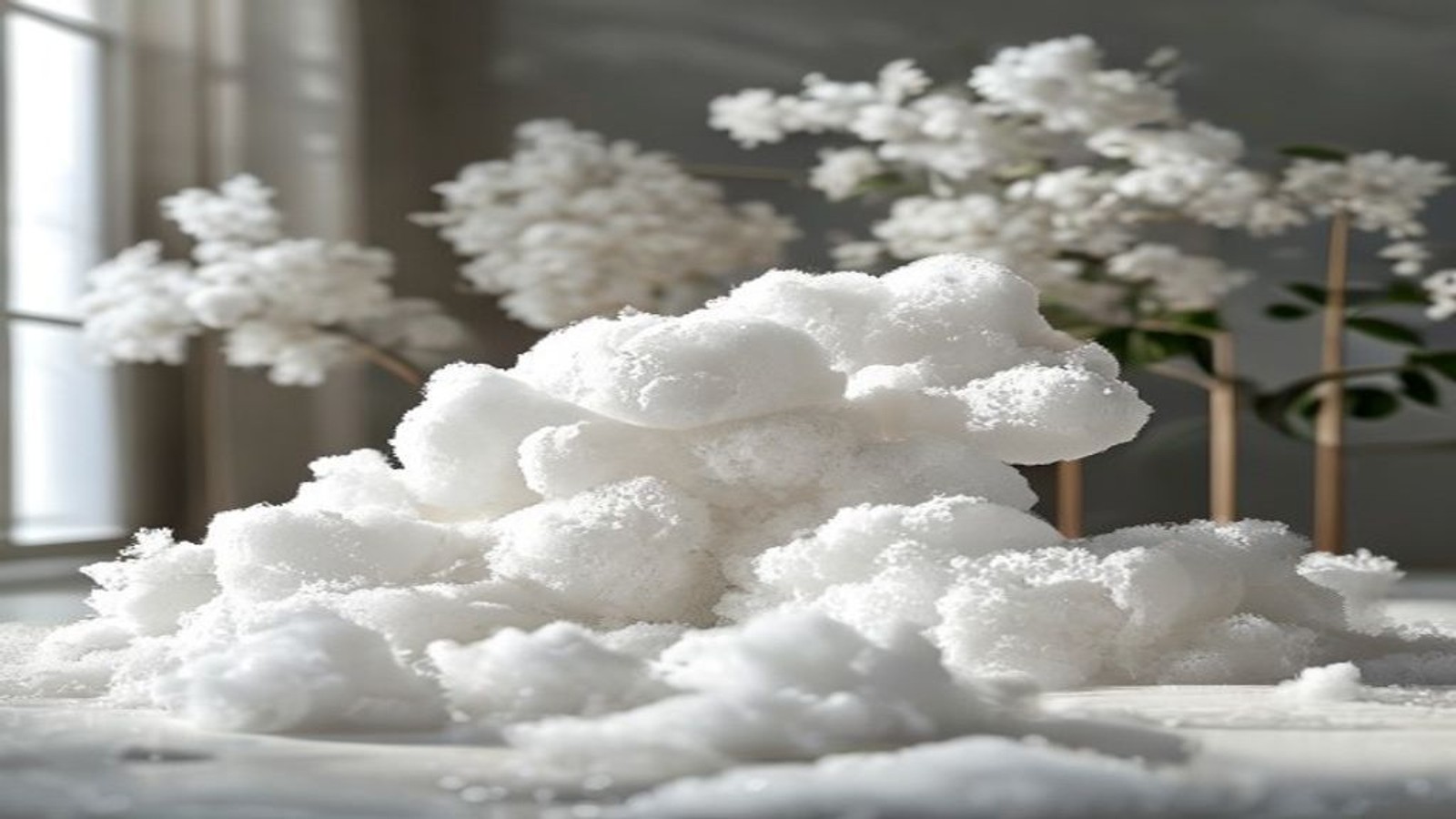
Sanding dust doesn’t have to be waste—it can be reborn as texture. By mixing dust with glue, resin, paint, or plaster, sculptors create unique finishes that enhance depth and reduce studio waste. These waste-to-finish recipes prove that even dust has creative potential, turning byproducts into surfaces rich with character, sustainability, and artistic expression.

Carbon-Smart Sculpting: Estimating and Reducing the Footprint of a Foam Project

Foam projects fuel imagination in theater, film, and art—but they also carry a hidden carbon cost. Carbon-smart sculpting shows how to estimate and reduce footprints, choose smarter materials, design for reuse, and embrace sustainable innovations without sacrificing creativity. Explore how artists are carving lighter futures with environmentally responsible foam practices.

Designing Foam Pieces for Disassembly: Hardware, Joints, and Reuse-Ready Builds

Designing foam pieces for disassembly transforms temporary projects into modular, reuse-ready systems. By integrating hardware, innovative joints, and sustainable strategies, foam builds become adaptable, cost-efficient, and long-lasting. From theater sets to trade show booths, this approach reduces waste while opening new creative possibilities for artists, architects, and engineers alike.

Low-VOC Primers, Paints, and Sealers for Foam: A Complete Finishing Guide

Finishing foam doesn’t have to come with toxic fumes or rigid coatings. This complete guide explores low-VOC primers, paints, and sealers designed specifically for foam applications—from cosplay armor and prop design to craft and scenic art. Learn how to build flexible, breathable finishes with minimal odor and maximum durability. From product picks like ECOS and Prime: First Coat to detailed application techniques, we’ll help you seal, paint, and protect your foam projects with health, performance, and artistry in mind. Whether you’re working in a garage or studio, this low-VOC roadmap brings safety and beauty together in every coat.

Plant-Based Alternatives to PU and EPS: Mycelium, Cork, PLA, and More for Scenic Art

The world of scenic art is undergoing a green revolution, and plant-based alternatives to traditional foams are at the forefront. Materials such as mycelium, cork, and PLA offer sculptors, set designers, and fabricators sustainable choices that rival polyurethane and polystyrene without the environmental toll. These natural and bio-based foams not only deliver strength, flexibility, and finish but also bring biodegradability, recyclability, and a lighter ecological footprint. This in-depth guide uncovers how these materials perform in real-world applications, their benefits and limitations, and why they are becoming the future of scenic artistry.

Zero-Waste Foam Sculpting: Cutting, Carving, and Patterning Techniques that Slash Scraps

Zero-waste foam sculpting is more than a trend—it’s a revolution in how artists, makers, and studios approach their craft. By choosing the right foam, planning cuts with precision, carving with intention, and reimagining offcuts as assets, sculptors can slash waste while producing cleaner, sharper, and more sustainable work. From mastering hot-wire tools to designing with second-harvest materials, this comprehensive guide explores techniques that not only minimize scraps but also maximize creativity, efficiency, and environmental responsibility.

Why Sustainable Foam Matters in the Studio and Beyond

EVA foam is a sculptor’s favorite—lightweight, flexible, and easy to shape into almost anything. But what happens when the scraps pile up or a finished piece has run its course? This guide explores real-world recycling paths for EVA foam, from specialized drop-off centers to creative reuse strategies right in your shop. We’ll cover which types of EVA can be recycled, what barriers exist, and how to prepare your foam for processing. Plus, you’ll discover innovative ways to repurpose offcuts into new projects, saving money while cutting down on landfill waste. For artists, prop makers, and fabricators alike, this article offers a practical roadmap to make EVA foam sculpting more sustainable without losing the creative freedom that makes the material so appealing.

Eco-Friendly Foam Sculpture Materials: The Ultimate Guide to Recycling and Biodegradable Options

Foam has transformed the art of sculpting, offering lightweight and versatile possibilities for creators across industries. But traditional foams often come with environmental drawbacks that are hard to ignore. In this comprehensive guide, we dive into recycled and biodegradable alternatives that allow artists to build spectacular sculptures while reducing waste and emissions. From mycelium composites to recycled polystyrene, water-based adhesives, and natural fiber reinforcements, this article explores the full spectrum of sustainable materials. Whether you’re a professional scenic artist, a prop maker, or a creative hobbyist, you’ll learn how to design with lifecycle thinking in mind, choosing the right materials for both performance and planet.