Introduction: The Soft Surface With Serious Creative Power
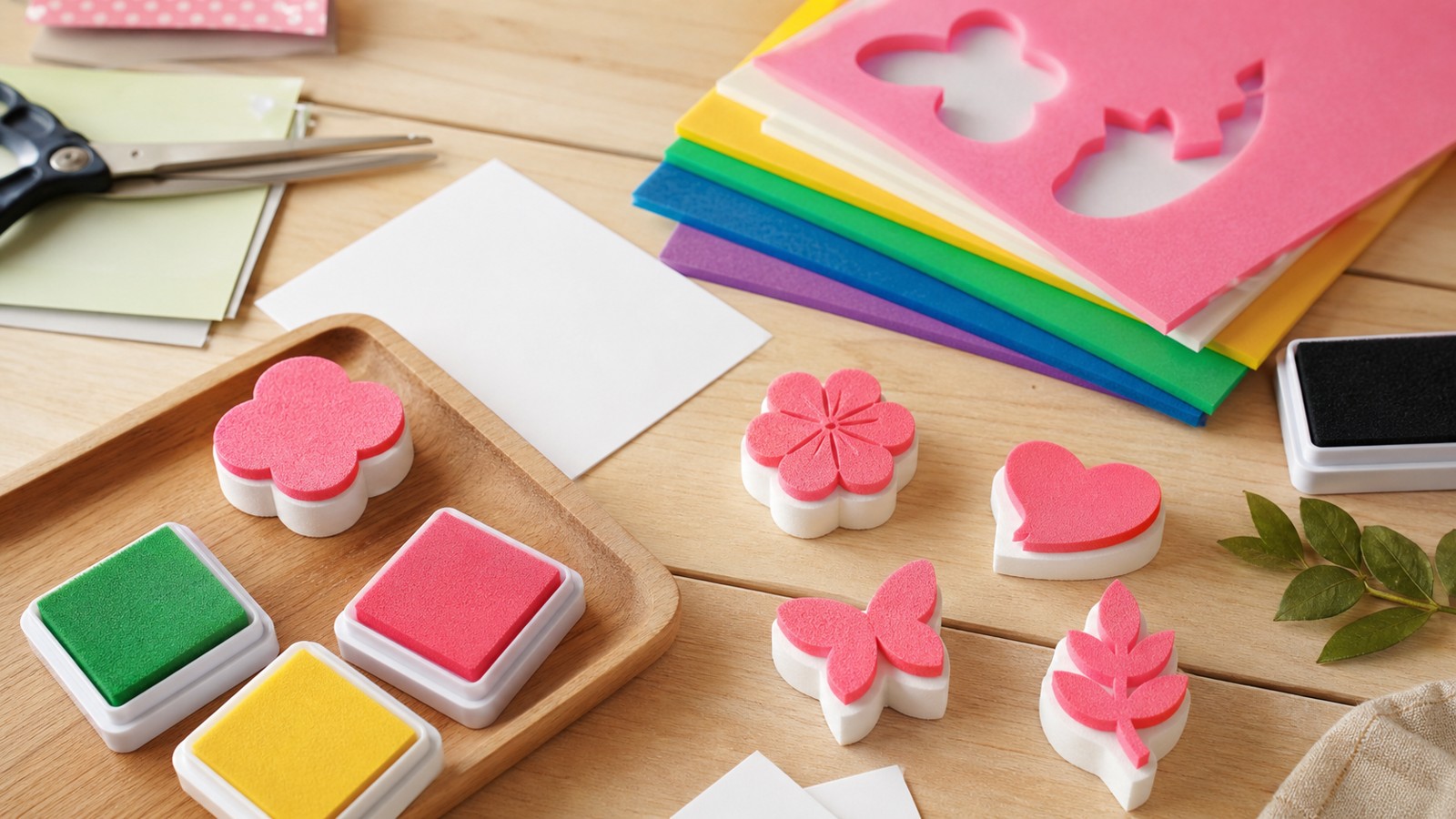
Foam printing is a creative printing process that uses foam as either the printing surface, the printed material, or both. At its simplest, it can mean carving or impressing a design into a foam sheet, coating it with ink or paint, and pressing it onto paper, fabric, packaging, or another surface. In commercial settings, foam printing can also refer to printing graphics, logos, textures, patterns, and branding directly onto foam-based materials used in packaging, displays, craft products, signage, and product design. What makes foam printing exciting is its unusual mix of softness and precision. Foam can be carved, cut, stamped, compressed, shaped, layered, and printed in ways that feel accessible to beginners but still useful for professional artists, packaging designers, educators, and brands. It is a technique that can be playful, tactile, inexpensive, and experimental, yet it can also become polished, repeatable, and highly practical when used in design and production.
A: Foam printing is a process that uses foam as a print plate, stamp, printed surface, or design material for art, packaging, and displays.
A: Yes. It is one of the easiest ways to learn printmaking because foam is soft, affordable, and simple to mark.
A: Craft foam and EVA foam are great for stamps and relief prints because they are smooth, flexible, and easy to cut.
A: Yes, but the foam type, surface texture, and ink compatibility must be tested before production.
A: Water-based block printing inks, acrylic paints, and foam-safe specialty inks are common choices.
A: Too much ink, uneven pressure, a soft foam surface, or a design with very fine details can cause blur.
A: Yes. Printed foam can add logos, patterns, instructions, or presentation details to packaging and displays.
A: It can be durable when the right foam, ink, drying method, and protective finish are used.
A: Yes, foam stamps can print on fabric when paired with textile paint or fabric-safe ink.
A: Avoid incompatible solvents, overloaded ink, weak pressure, dusty foam surfaces, and untested materials for final projects.
Understanding Foam Printing
Foam printing often begins with a sheet of craft foam, foam board, EVA foam, polystyrene, polyurethane, or another foam-based material. The surface can be cut into shapes, engraved with lines, pressed with textures, or used as a soft plate for transferring ink. Because foam has a slightly compressible surface, it can pick up and release pigment in a way that feels different from wood, linoleum, metal, or rubber. In art classrooms, foam printing is commonly used as an introduction to printmaking because it is safer and easier to cut than many traditional printmaking blocks. Instead of sharp carving tools, artists can draw into the foam with a pencil, stylus, skewer, or blunt tool. The pressed lines become recessed areas that do not pick up as much ink, while the raised surface prints the main design. This creates a relief print effect with bold shapes and expressive texture.
How Foam Printing Works
The basic process is simple: create a design on foam, apply color to the surface, and transfer that color by pressure. The foam may be rolled with block printing ink, brushed with acrylic paint, coated with screen printing ink, or prepared for direct printing with specialized digital or industrial equipment. The result depends on the foam type, ink type, pressure, surface texture, and the material receiving the print.
In hand printing, the foam plate becomes a reusable stamp or print block. Artists can print the same design multiple times, changing colors, layering backgrounds, rotating the plate, or combining multiple foam blocks into a larger composition. In packaging and design applications, foam may be printed with logos, handling instructions, product patterns, decorative textures, or brand visuals that make protective materials look more polished and intentional.
Foam Printing in Art
Foam printing has a special place in art because it removes some of the intimidation from printmaking. Traditional printmaking can require carving knives, presses, solvents, acids, or specialized equipment. Foam printing lowers that barrier. A simple sheet of foam, a roller, ink, and paper can produce striking results with very little setup.
Artists use foam printing for abstract patterns, botanical impressions, geometric designs, typography experiments, greeting cards, posters, mixed media backgrounds, and layered collage work. The foam surface naturally encourages bold marks, visible pressure, and handmade character. Even small imperfections can become part of the style, giving each print a tactile, crafted quality that feels alive.
Foam Printing for Beginners
For beginners, foam printing is one of the easiest ways to understand relief printing. The raised areas print, and the indented areas usually stay lighter. This direct relationship between surface and image makes the process easy to learn. A student can draw a fish, flower, symbol, pattern, or landscape into foam and quickly see how the design changes when printed.
One of the most important beginner lessons is that the final print is usually reversed. If letters, numbers, or directional elements are involved, they must be created backward on the foam plate so they appear correctly when printed. This teaches planning, composition, and mirror-image thinking in a hands-on way.
Foam Printing in Packaging
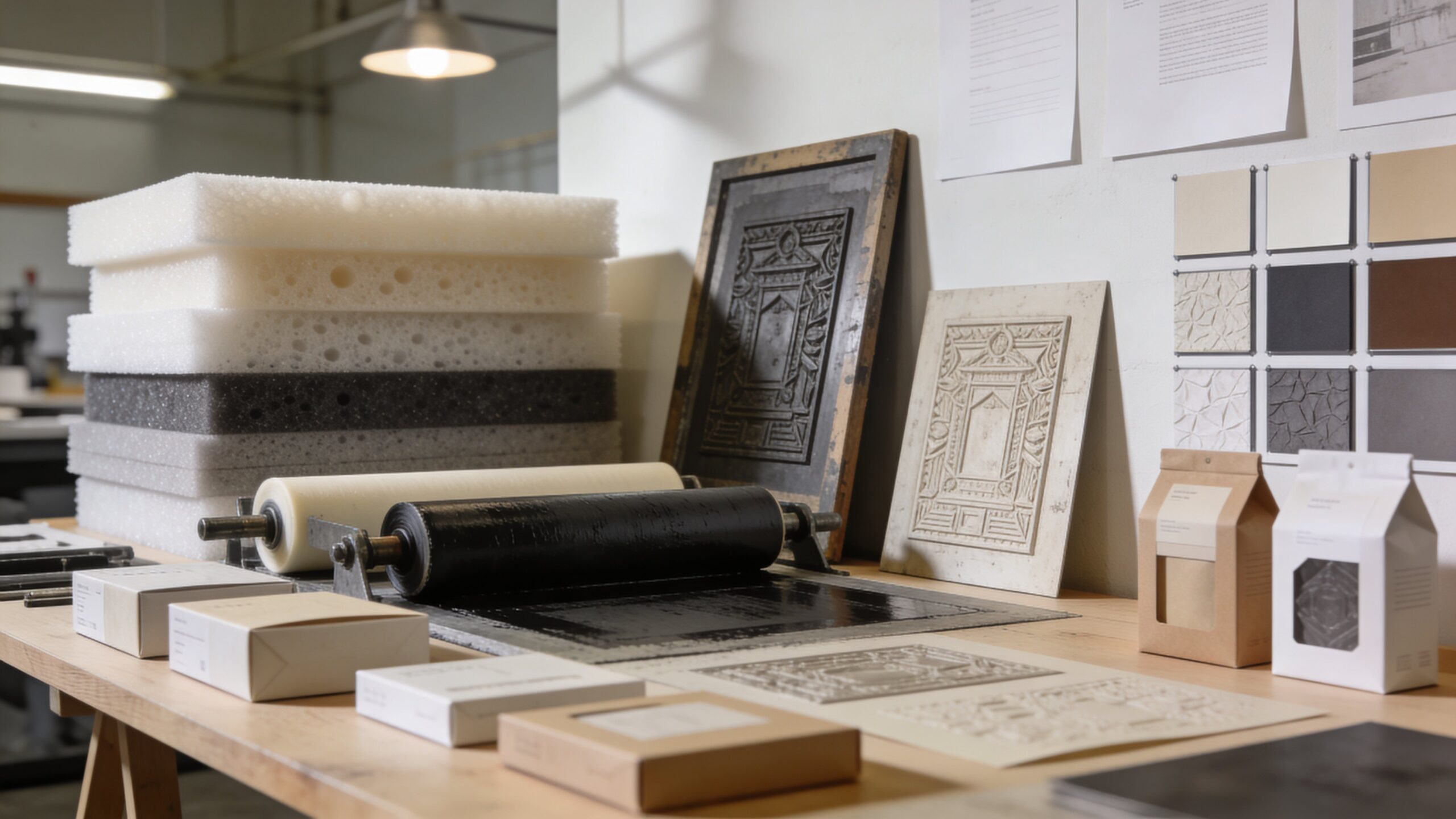
In packaging, foam printing has a more functional and professional role. Foam is often used to protect fragile items, separate components, cushion electronics, hold tools, stabilize luxury goods, or create custom inserts. Printing on foam can transform a plain protective piece into a branded packaging element.
A printed foam insert may include a company logo, product name, pattern, assembly guide, recycling mark, orientation symbol, or premium decorative finish. For high-end products, printed foam can make the unboxing experience feel cleaner and more intentional. Instead of looking like temporary packing material, the foam becomes part of the presentation.
Why Brands Use Printed Foam
Brands use printed foam because packaging is no longer just about protection. It is also about experience, trust, and visual identity. A product may arrive safely, but if the inside of the package looks generic or messy, the customer experience can feel less premium. Printed foam helps solve that problem by turning cushioning material into a designed surface.
This is especially useful for electronics, cosmetics, tools, medical devices, collectibles, jewelry, cameras, instruments, and luxury accessories. When a product rests inside a custom foam insert with clean printed branding, the package feels organized, protective, and professional. It tells the customer that every detail was considered.
Foam Printing in Product Design
Foam printing also plays a role in product design, prototyping, model making, and presentation. Designers often use foam to create mockups because it is lightweight, affordable, and easy to shape. Adding printed graphics to foam prototypes can make early models feel more realistic and easier to evaluate.
For example, a designer might print interface markings onto a foam model of a control panel, decorative patterns onto a concept product, or brand elements onto a packaging prototype. This allows teams to review scale, placement, readability, contrast, and visual balance before committing to final materials. Foam printing helps bridge the gap between rough concept and finished product.
Common Types of Foam Used for Printing
Different foams behave differently when printed. Craft foam and EVA foam are popular for art, stamping, cosplay, and handmade design because they are flexible, smooth, and easy to cut. Foam board is useful for signs, presentation displays, school projects, and lightweight mounted prints. Polystyrene foams can be shaped for packaging inserts, props, and dimensional displays, although they require compatible inks and coatings. Polyurethane foam is often used in cushioning, upholstery, filters, and custom packaging. Some versions are soft and porous, while others are denser and more structured. The more porous the foam, the more it may absorb ink or paint. A smoother, closed-cell foam usually provides cleaner print edges, while an open-cell foam may create softer, more textured results.
Ink, Paint, and Surface Compatibility
Ink choice is one of the most important parts of foam printing. Water-based inks and acrylic paints are often safest for basic craft and classroom use. They are easy to clean, widely available, and less likely to damage sensitive foam surfaces. However, some paints dry too quickly or too thickly, which can reduce detail.
Solvent-based inks and spray paints can damage certain foams, especially polystyrene. They may melt, wrinkle, soften, or distort the surface. For this reason, testing is essential. In professional printing, manufacturers choose inks that bond properly to the foam without breaking it down. Adhesion, flexibility, drying time, durability, and safety all matter.
Foam Printing Techniques
There are several ways to approach foam printing. Relief foam printing uses raised and recessed areas to transfer ink. Stamp printing uses cut foam shapes as repeatable design elements. Texture printing uses foam to create patterns that look like stone, fabric, bubbles, scales, woodgrain, or abstract surfaces. Screen printing can apply designs onto foam sheets or foam products when the surface is suitable.
Digital printing may also be used for foam board, display panels, promotional signs, and packaging prototypes. In industrial settings, pad printing, flexographic printing, screen printing, or specialized direct-to-substrate methods may be chosen depending on the foam’s shape, density, and intended use. The right method depends on whether the goal is handmade expression, branding, durability, or production efficiency.
Art Applications of Foam Printing
Foam printing works beautifully for handmade art because it encourages experimentation. Artists can create repeating patterns, layered prints, colorful backgrounds, bold graphic illustrations, and expressive textures. Foam plates can be cut into separate shapes and printed one at a time, allowing complex images to be built in stages.
Mixed media artists often use foam printing to add texture to collage, journals, canvas work, and handmade paper. A simple foam stamp can create a repeated motif that ties a piece together. Because foam is easy to cut, artists can quickly create custom marks that do not look like store-bought stamps.
Packaging Applications of Foam Printing
In packaging, foam printing can be used for branding, organization, instructions, and decoration. A foam insert might show where each product component belongs. Printed labels can help customers identify accessories, cables, replacement parts, or fragile areas. Decorative printing can turn protective foam into a premium presentation layer.
This matters because packaging is part of the product story. When a customer opens a box and sees carefully printed foam, the experience feels more refined. It can also reduce confusion by guiding the user through setup or storage. In industries where precision matters, printed foam can make packaging more useful and easier to understand.
Design Applications of Foam Printing
Designers use foam printing for displays, prototypes, signage, retail environments, event materials, museum models, educational visuals, and branded installations. Foam is lightweight, easy to transport, and adaptable, making it useful for temporary or large-scale design work. Printing adds visual clarity and polish.
A retail display might use printed foam panels to create depth without heavy materials. A museum exhibit might use printed foam models to explain a concept. An event designer might use printed foam shapes to create immersive stage decor. In all of these cases, foam printing makes lightweight material look purposeful and visually complete.
Advantages of Foam Printing
One of the biggest advantages of foam printing is accessibility. It does not require expensive equipment for basic use, and it can be done with simple tools. It is approachable for students, hobbyists, designers, and small creative teams. Foam is also easy to cut into custom shapes, making it highly adaptable. Another advantage is texture. Foam has a physical softness that can create interesting printed effects. It can produce crisp graphic shapes or imperfect handmade edges depending on how it is handled. In packaging, printed foam adds brand value without necessarily changing the protective purpose of the material.
Limitations of Foam Printing
Foam printing also has limitations. Some foams are delicate and can dent, tear, melt, or absorb too much ink. Fine details may not print as sharply as they would on harder printmaking blocks. Repeated use can compress or wear down the foam plate, especially if heavy pressure is applied.
Durability can also be a concern. A printed foam package insert may need abrasion-resistant ink if it will be handled often. Outdoor foam displays may need protective coatings. For professional use, testing is essential to make sure the print does not smear, crack, peel, or react with the foam surface.
Foam Printing and Sustainability
Sustainability is an important consideration because many foam materials are difficult to recycle or are made from petroleum-based plastics. However, foam printing can still be used thoughtfully. Designers can reduce waste by prototyping efficiently, choosing recyclable or recycled-content foam when possible, and avoiding unnecessary coatings that make disposal harder.
In packaging, printed foam should be used when it adds real value, such as protection, clarity, reusability, or premium presentation. Some brands are also exploring molded fiber, biodegradable foams, paper-based cushioning, and other alternatives. Foam printing remains useful, but responsible material choice is increasingly important.
Tips for Better Foam Printing Results
Good foam printing starts with surface preparation. The foam should be clean, dry, and free from dust or oils. A light, even layer of ink usually prints better than a heavy, messy coat. Too much paint can fill recessed lines and blur the design, while too little may create weak or patchy results.
Pressure also matters. Hand rubbing, a brayer, a spoon, or a small press can all transfer the image, but the pressure should be steady and even. For art prints, testing on scrap paper helps refine the amount of ink and pressure. For packaging and design work, sample testing helps confirm adhesion, color accuracy, and durability before production.
The Creative Future of Foam Printing
Foam printing continues to grow because it sits at the intersection of art, packaging, and design. It can be simple enough for a classroom project and refined enough for branded product presentation. It can create expressive handmade prints, practical packaging guides, or polished display graphics.
As digital fabrication, sustainable materials, and custom packaging continue to evolve, foam printing will likely become even more versatile. Designers can combine foam cutting, laser templates, CNC shaping, digital printing, and hand finishing to create results that feel both precise and tactile. Foam may be soft, but in the right creative hands, it makes a strong impression.
Conclusion: A Flexible Printing Method With Big Possibilities
Foam printing is more than a craft technique. It is a flexible creative process that can serve artists, educators, packaging teams, product designers, and brands. Whether used to make a handmade print, decorate a foam insert, prototype a product, or enhance a retail display, it offers a unique balance of affordability, texture, and visual impact. Its greatest strength is adaptability. Foam can be carved, pressed, printed, shaped, and transformed into surfaces that communicate ideas clearly and beautifully. From art studios to packaging lines, foam printing proves that even the softest materials can leave a lasting mark.