What Is Foam in a Beer Glass?
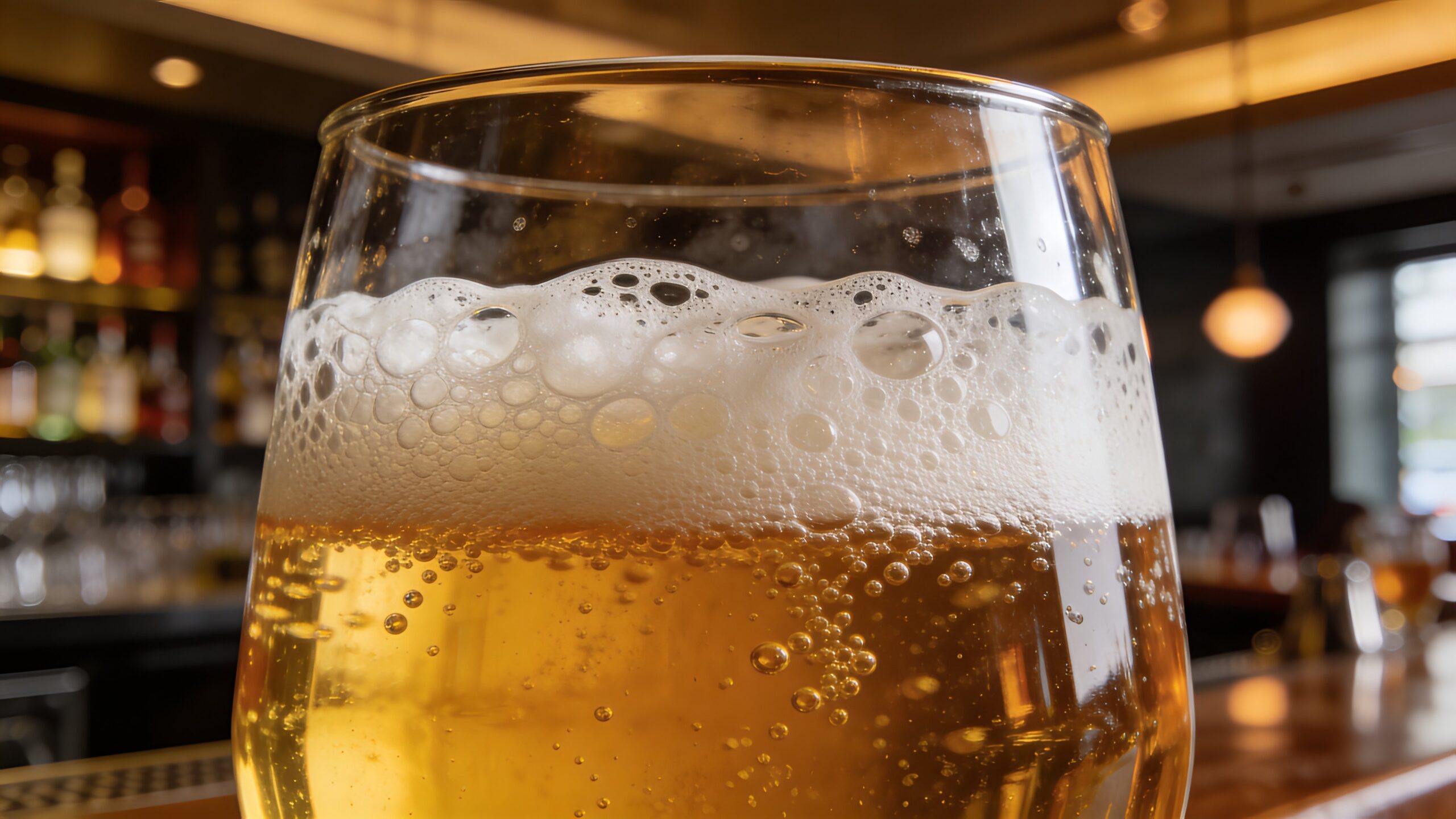
Foam in a beer glass is the frothy layer of bubbles that forms on top of beer after it is poured. It may look simple, but it is one of the most expressive parts of the drinking experience. Beer foam is created when dissolved carbon dioxide rises out of the liquid and becomes trapped in a network of proteins, hop compounds, and other natural ingredients from the brewing process. These tiny bubbles gather at the surface, forming what beer lovers often call the “head.” A good beer head is not just decoration. It affects aroma, texture, flavor perception, and visual appeal. When beer foam is stable and creamy, it can make the first sip feel smoother and more complete. When it disappears instantly, it may suggest the glass was not clean, the beer was poured poorly, or the style was not designed to produce much foam. In many beer cultures, foam is not an accident. It is a sign of care, freshness, and respect for the beer.
A: Beer foam is the bubbly head created when carbon dioxide escapes from beer and becomes supported by proteins, hop compounds, and other brewing ingredients.
A: Proper foam is good because it improves aroma, presentation, texture, and carbonation balance.
A: Foam can collapse because of grease, soap residue, dirty glassware, low foam-supporting ingredients, high alcohol, or poor carbonation balance.
A: Yes. Foam lifts aroma, softens carbonation, changes mouthfeel, and can make flavors seem more expressive.
A: It depends on the style, but many beers are best with a moderate head that enhances aroma without taking over the glass.
A: In traditions such as Czech, German, Belgian, and Japanese beer service, foam is often seen as part of the proper presentation and sensory experience.
A: Wheat contributes proteins that help support large, fluffy, long-lasting foam.
A: Lacing is the pattern of foam left on the inside of the glass as the beer is consumed.
A: Yes. Dirty glassware or the wrong shape can reduce foam stability, aroma concentration, and overall presentation.
A: Not always, but no foam can make beer seem less aromatic and less lively, especially in styles where a proper head is expected.
Why Beer Foam Matters
Foam matters because it changes how beer reaches the senses. Before the liquid touches the tongue, foam helps release aroma. Many of the compounds that give beer its character—citrus, pine, malt sweetness, spice, yeast fruitiness, roast, caramel, and floral notes—rise through the bubbles and collect near the nose. A beer without foam can seem flatter, less fragrant, and less lively. Foam also changes texture. A dense, creamy head can soften the edge of carbonation and create a luxurious mouthfeel. In a stout, foam can feel almost silky. In a pilsner, it can add crispness and freshness. In a wheat beer, it can create an airy, refreshing impression. Foam is part of the architecture of beer; it frames the sip, carries aroma, and gives the drink a sense of movement.
How Foam Forms in Beer
Beer foam begins with carbonation. During fermentation, yeast converts sugars into alcohol and carbon dioxide. Some of that carbon dioxide remains dissolved in the beer. When the bottle is opened, the can is cracked, or the tap is pulled, pressure changes and the carbon dioxide begins to escape. As the beer flows into the glass, bubbles form and rise.
But carbonation alone does not create lasting foam. The stability of foam depends on the beer’s ingredients. Malted barley contributes proteins that help strengthen bubble walls. Hops contribute bitter compounds that can improve foam structure. Wheat, oats, and certain specialty grains can increase head retention, which is why many wheat beers and hazy ales often produce thick, persistent foam. The brewer’s recipe, fermentation, filtration, glass cleanliness, and pouring technique all play a role.
The Difference Between Good Foam and Bad Foam
Good foam is usually attractive, stable, and appropriate for the beer style. It may be snow-white and rocky on a Belgian ale, creamy and tan on a stout, or tight and bright on a pilsner. It should cling gently to the glass as the beer is consumed, creating rings known as lacing. These rings can be a visual record of each sip.
Bad foam is usually excessive, unstable, or missing when the style should have it. A beer that erupts into a mountain of foam may be overcarbonated, too warm, shaken, or poured too aggressively. A beer with no foam at all may have been poured into a greasy or improperly rinsed glass. Lipstick, oil, soap residue, and food grease can destroy beer foam quickly. In this sense, foam is honest. It reveals the condition of the beer, the glass, and the pour.
Beer Foam and Culture
Foam has different meanings around the world. In some places, a generous head is expected and admired. In others, customers may complain if foam takes up too much room in the glass. This difference is not just about taste; it is about tradition, serving customs, glassware, and how people define a proper beer.
In Germany and the Czech Republic, foam is often treated as an essential part of the beer. A carefully poured lager with a tall, creamy head is considered elegant and correct. In Belgium, foam is part of the dramatic presentation of many ales, especially those served in branded chalices or tulip glasses. In Britain, traditional cask ales may have a softer, lower foam profile, reflecting different carbonation levels and serving methods. In Japan, beer foam has become an art of precision, with carefully controlled pours that create a clean, creamy cap.
The Czech Pour and the Beauty of Foam
One of the most famous foam traditions comes from Czech beer culture. In Czech pubs, especially those serving pilsner-style lagers, foam is not treated as wasted space. It is a feature. Different pour styles can emphasize different experiences, from a balanced pour with a smooth head to a foam-heavy pour that highlights sweetness, freshness, and texture.
The “mlíko” pour, often translated as “milk,” is an especially striking example. It is almost entirely foam, with just a small amount of liquid beer beneath. To someone unfamiliar with the tradition, it may look strange or unfinished. But to those who appreciate it, it is a soft, sweet, creamy expression of lager, meant to be enjoyed quickly. It shows how beer foam can become more than a technical detail. It can become a cultural ritual.
Foam in German Beer Tradition
German beer culture places strong value on presentation, patience, and style accuracy. A well-poured weissbier, for example, is expected to have a tall, fluffy head. The foam is part of the visual identity of the beer, rising above the cloudy golden body and carrying aromas of banana, clove, grain, and yeast. In a clean wheat beer glass, the foam makes the beer feel celebratory and alive.
For pilsners and helles lagers, foam often signals freshness and balance. A dense white head sitting on top of a bright golden beer creates a classic image of refreshment. In many German beer halls, the proper pour is not rushed. The bartender may allow foam to settle before topping the glass, building a strong and attractive head. This slower process reflects a larger cultural idea: good beer deserves attention.
Belgian Beer and the Theater of the Glass
Belgian beer culture is deeply connected to glassware, aroma, and presentation. Many Belgian beers are served in specific glasses designed to enhance the drinking experience. A tulip glass, goblet, or chalice can shape foam and concentrate aroma. The foam is not simply on the beer; it is part of the beer’s stage.
Belgian ales often produce expressive foam because of their carbonation, yeast character, and ingredient complexity. A saison may create a lively, rustic head. A tripel may rise with bright, creamy foam. A lambic or gueuze may show a more sparkling, champagne-like character. Each style tells a different foam story, and the glass helps direct that story toward the drinker.
Foam and Taste
Foam changes how beer tastes because it changes the way aroma and texture arrive together. Since smell plays a major role in flavor perception, foam can make beer seem more expressive. A hoppy beer may feel brighter when foam lifts citrus and pine notes. A malty lager may feel fresher when foam carries grainy sweetness. A stout may feel richer when its tan head adds creaminess before the liquid reaches the tongue.
Foam can also soften bitterness and carbonation. The first sip through a creamy head is different from a sip of flat liquid. It feels layered. The bubbles break gently, releasing aroma while cushioning the tongue. This is why many beer styles feel incomplete without the right foam. The foam is not separate from flavor; it is part of how flavor is delivered.
Foam and Aroma
Aroma is one of the strongest reasons beer foam matters. As bubbles rise and burst, they release volatile aroma compounds. These aromas can be delicate, bold, sweet, spicy, fruity, herbal, roasted, or floral. Foam slows the release of these aromas and holds them near the surface, creating a more fragrant drinking experience.
This is especially important for beers with expressive ingredients. Hazy IPAs, Belgian ales, wheat beers, saisons, stouts, and dry-hopped lagers can all benefit from foam that supports aroma. A beer served with no foam may still taste good, but it often loses some of its aromatic drama. Foam turns the glass into a small sensory chamber.
Foam and Mouthfeel
Mouthfeel is the physical sensation of beer in the mouth, and foam plays a major role in shaping it. A creamy head can make beer feel fuller and softer. A sharp, fizzy foam can make beer feel brighter and more refreshing. A dense nitrogen-style foam, common in some stouts, can create a velvety sensation that changes the entire personality of the beer.
Mouthfeel is why foam is so closely connected to satisfaction. Beer is not judged by flavor alone. It is judged by how it looks, smells, feels, and finishes. Foam creates a transition between air and liquid, between aroma and taste, between expectation and sip. That transition can make beer feel more complete.
Why Some Beers Have More Foam Than Others
Different beer styles naturally produce different amounts of foam. Wheat beers often create large, fluffy heads because wheat proteins help support foam. Belgian ales may produce dramatic foam because of high carbonation and yeast-driven structure. Stouts can produce creamy, long-lasting heads, especially when served with nitrogen. Pilsners and lagers often show tight, white foam when poured correctly.
Other beers may have less foam by design. Some cask ales are served with lower carbonation and a gentler head. Strong, high-alcohol beers may struggle to hold foam because alcohol can weaken bubble structure. Barrel-aged beers, sour ales, and certain specialty beers may vary widely depending on ingredients and conditioning. Foam should always be judged in context. The right foam for one beer may be wrong for another.
The Role of the Glass
The beer glass has a powerful effect on foam. A clean glass helps foam form and last. A dirty glass destroys it. Even invisible residue can make bubbles collapse. Oils, soap, detergent film, dust, and grease interfere with the proteins and compounds that support foam. This is why professional beer service often emphasizes “beer-clean” glassware.
Glass shape also matters. A narrow glass can support a tall head. A tulip glass can trap aroma and shape foam. A wide mug may allow foam to spread. A wheat beer glass encourages a dramatic rise. A stout glass may highlight creamy texture. The glass is not just a container; it is a tool for controlling foam, aroma, and presentation.
The Art of the Pour
Pouring beer is one of the easiest ways to control foam. A slow pour down the side of the glass creates less foam. A more upright pour creates more. A common method is to tilt the glass at first, pour gently along the side, then straighten the glass near the end to build a head. This releases carbonation in a controlled way and creates a balanced foam cap. A pour with no foam may seem efficient, but it can leave too much carbonation trapped in the beer. That can make the beer feel bloated or overly fizzy. A proper head releases some carbonation before drinking, improving texture and comfort. The goal is not to eliminate foam. The goal is to create the right amount for the beer.
Foam, Freshness, and Quality
Foam can give clues about beer quality, but it does not tell the whole story. A stable head often suggests good ingredients, proper carbonation, a clean glass, and a careful pour. Lacing on the glass can indicate good foam structure. A beer that looks lively and well-formed usually creates a stronger first impression.
However, foam is not a perfect judge. Some excellent beers naturally have low foam. Some flawed beers may still foam aggressively. Temperature, glass condition, serving pressure, and carbonation all affect the result. Foam should be read like a clue, not a verdict. It is one part of the beer’s overall story.
Common Myths About Beer Foam
One common myth is that foam is wasted beer. In many traditions, foam is part of the serving. It carries aroma, improves texture, and completes the visual presentation. Another myth is that more foam always means a bad pour. Excessive foam can be a problem, but the right amount of foam is desirable.
Another misunderstanding is that beer should always be poured with as little foam as possible. This approach may fill the glass quickly, but it can weaken the drinking experience. A beer without foam often smells duller and feels sharper because carbonation remains trapped in the liquid. Proper foam is not a mistake. It is a feature.
Foam as a Symbol of Craft
Beer foam represents the meeting point of science and culture. It depends on chemistry, ingredients, pressure, temperature, glassware, and technique. But it also depends on human expectation. A bartender who builds a perfect head is not just following a process; they are presenting the beer with care.
In craft beer culture, foam has become part of the visual language of quality. Social media images often focus on hazy beers with pillowy heads, stouts with creamy tan caps, and lagers with clean white foam. The head of beer can communicate freshness, style, and craftsmanship before a single sip is taken.
Why Foam Makes Beer Feel More Complete
Foam makes beer feel complete because it creates anticipation. It catches the light, rises above the rim, releases aroma, and invites the drinker into the experience. It is the first visible sign that beer is alive with carbonation and character. A glass with the right foam looks finished in a way that a flat, foamless beer often does not.
Taste is never just taste. It is appearance, aroma, memory, setting, ritual, and texture. Foam connects all of these elements. It reminds us that beer is not only a beverage but a cultural object, shaped by centuries of brewing, serving, and sharing.
Final Thoughts on Beer Foam
Foam in a beer glass is much more than a layer of bubbles. It is chemistry, craftsmanship, presentation, and tradition. It can reveal the style of beer, the cleanliness of the glass, the skill of the pour, and the cultural expectations behind the drink. From a German weissbier to a Czech lager, from a Belgian ale to a creamy stout, foam helps define the experience. To understand beer foam is to understand beer more deeply. It teaches that small details matter. The shape of the glass, the angle of the pour, the proteins in the malt, the bitterness of the hops, and the patience of the person serving all come together in a fleeting crown of bubbles. Foam may disappear as the beer is enjoyed, but its impact remains in every aroma, every sip, and every memory of a well-poured glass.